A year in Motion Reference Units...
From bathymetric surveys to subsea inspections and wave radar systems, our Motion Reference Units (MRUs) have been put to work in a wide range of challenging environments during 2025. As the year draws to a close we take a quick look back at some of the highlights, applications, and collaborations that helped shape another strong year of progress for Norwegian Subsea.
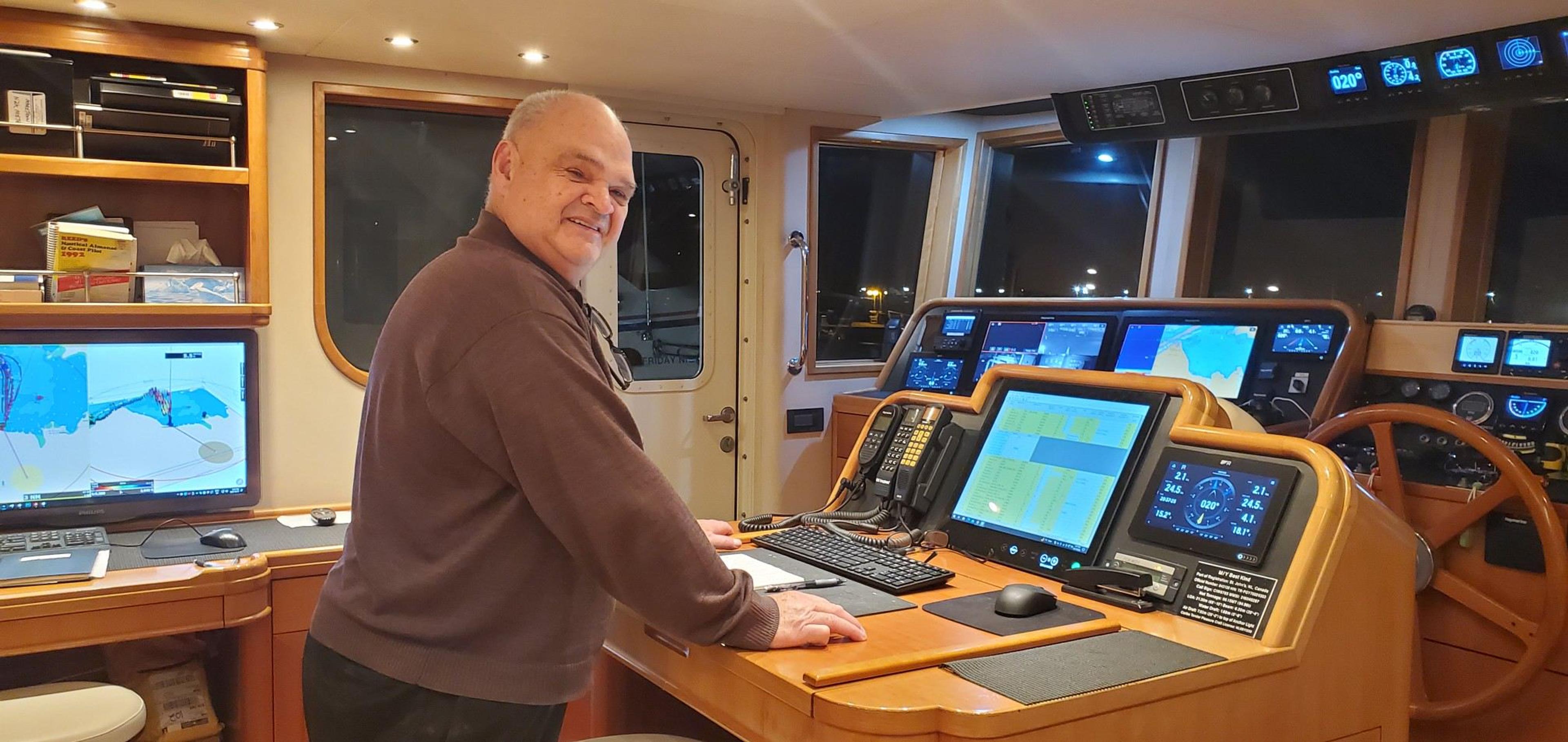
2025 began on a high note when our case study with Master Mariner Sid Hynes was published in Marine Technology Reporter. Based in Newfoundland, Sid and his son Matthew operate in some of the world’s most challenging survey environments. By integrating our MRU with a WASSP multibeam sonar system, they achieved a level of accuracy previously unattainable in 20-foot swells, all without relying on external correction services. Their work, which has helped uncover long-lost shipwrecks, set the tone for a year in which proven performance in harsh conditions became a recurring theme.
Focusing on sonar motion compensation
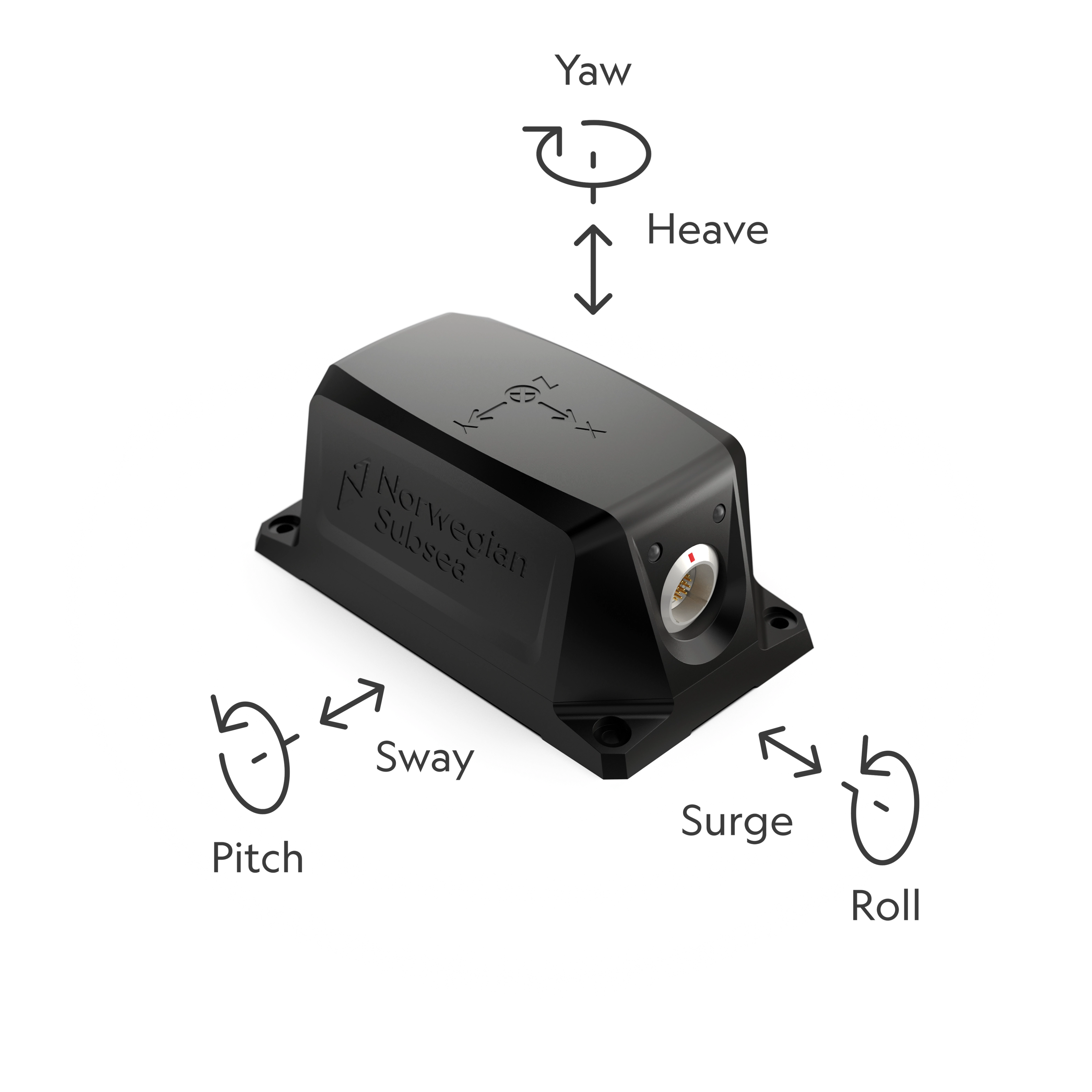
In the first part of the year, we focused on multibeam, bathymetric, and subsea applications. At Ocean Business 2025, we presented our updated MRU roadmap, highlighting the ongoing development towards full aiding capabilities, including independent heading and velocity output. These enhancements will enable even more precise roll, pitch, and heave compensation in sonar-based systems, and remove the need for RTK or GNSS infrastructure. The new units are designed to slot directly into sonar workflows, and have already made a difference in systems such as multibeam echo sounders, interferometric sonars, and sub-bottom profilers.
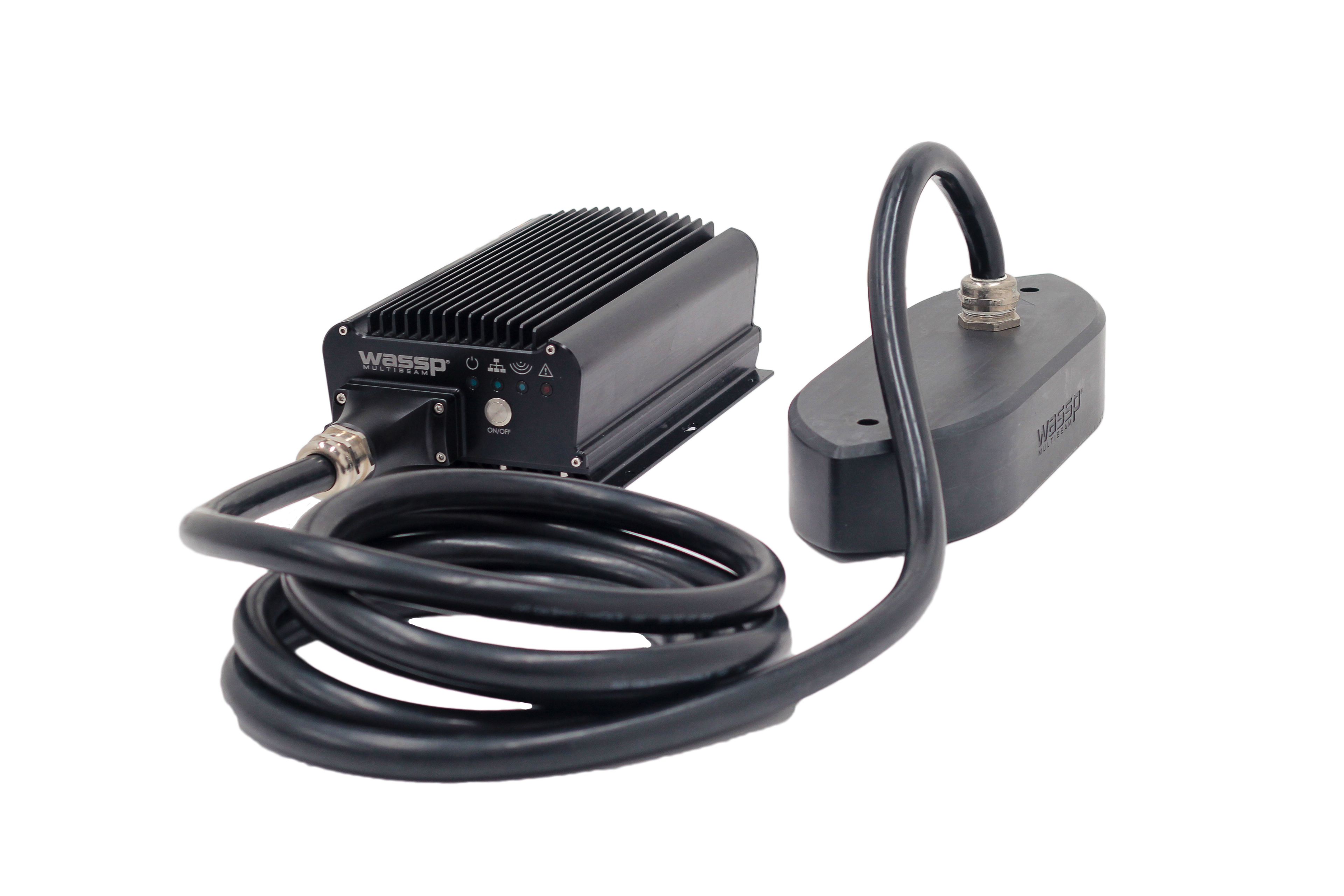
Our collaboration with WASSP became official in March, with the integration of our MRUs into their multibeam sonar systems. This partnership gives WASSP users access to motion compensation that performs at a level equivalent to RTK-enhanced setups, but without the cost, complexity, or limitations of operating near land-based base stations. The integration was designed for simplicity, and early adopters have reported significant improvements in accuracy and workflow efficiency, particularly when operating offshore.
Customer support and events
In June, we expanded our customer support capabilities with the launch of a dedicated online service portal. This new platform allows MRU users to quickly access technical documentation, setup guidance, and direct support, streamlining the user experience from installation through to operation.
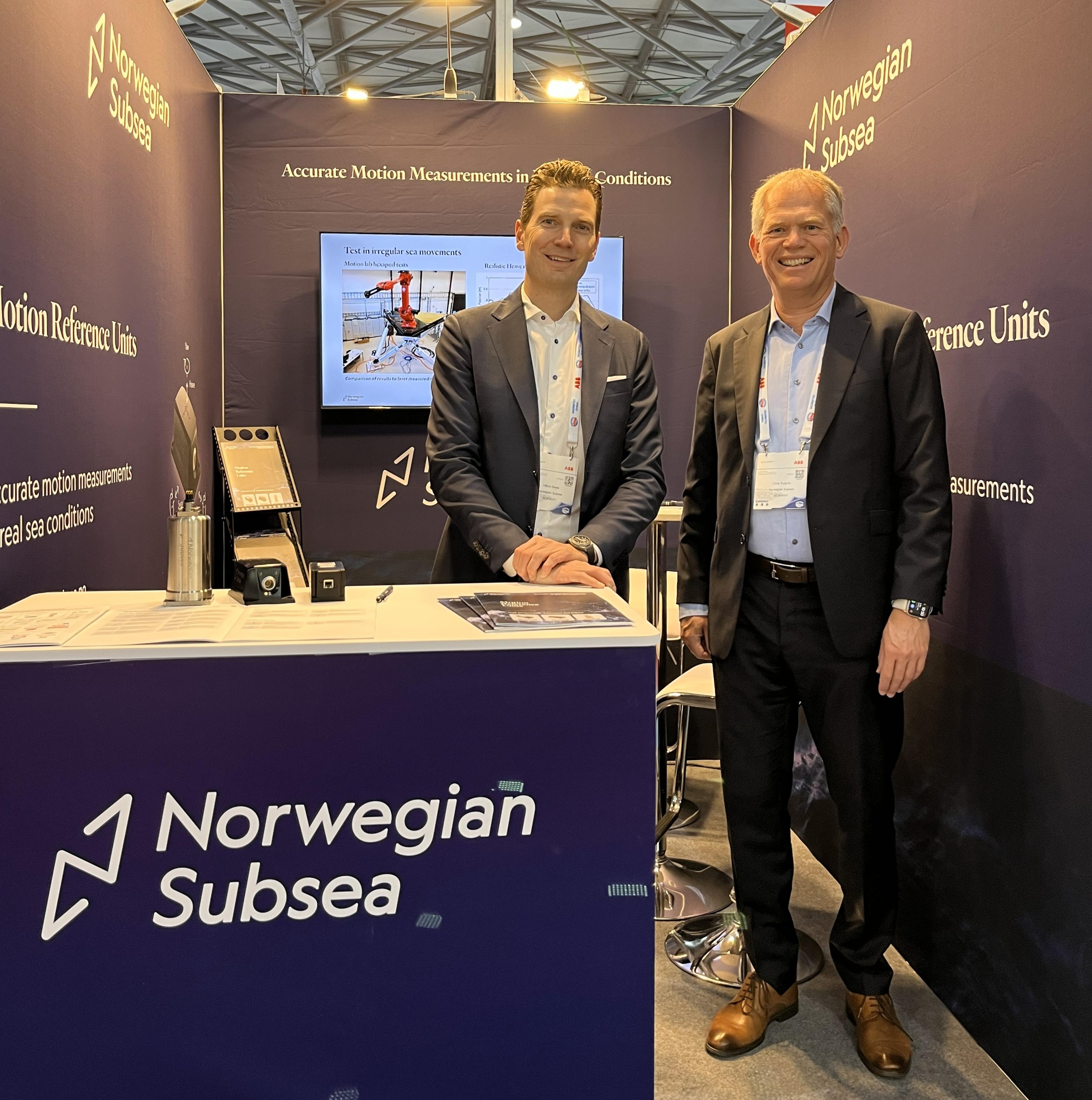
We also had a strong presence at key industry events this year. At Nor-Shipping in Oslo, close to our own offices, we had an incredibly busy stand. A few weeks later at Global Offshore Wind in London, our team met with developers and operators interested in how MRUs can support floating offshore wind projects by delivering stable motion data in real sea conditions.
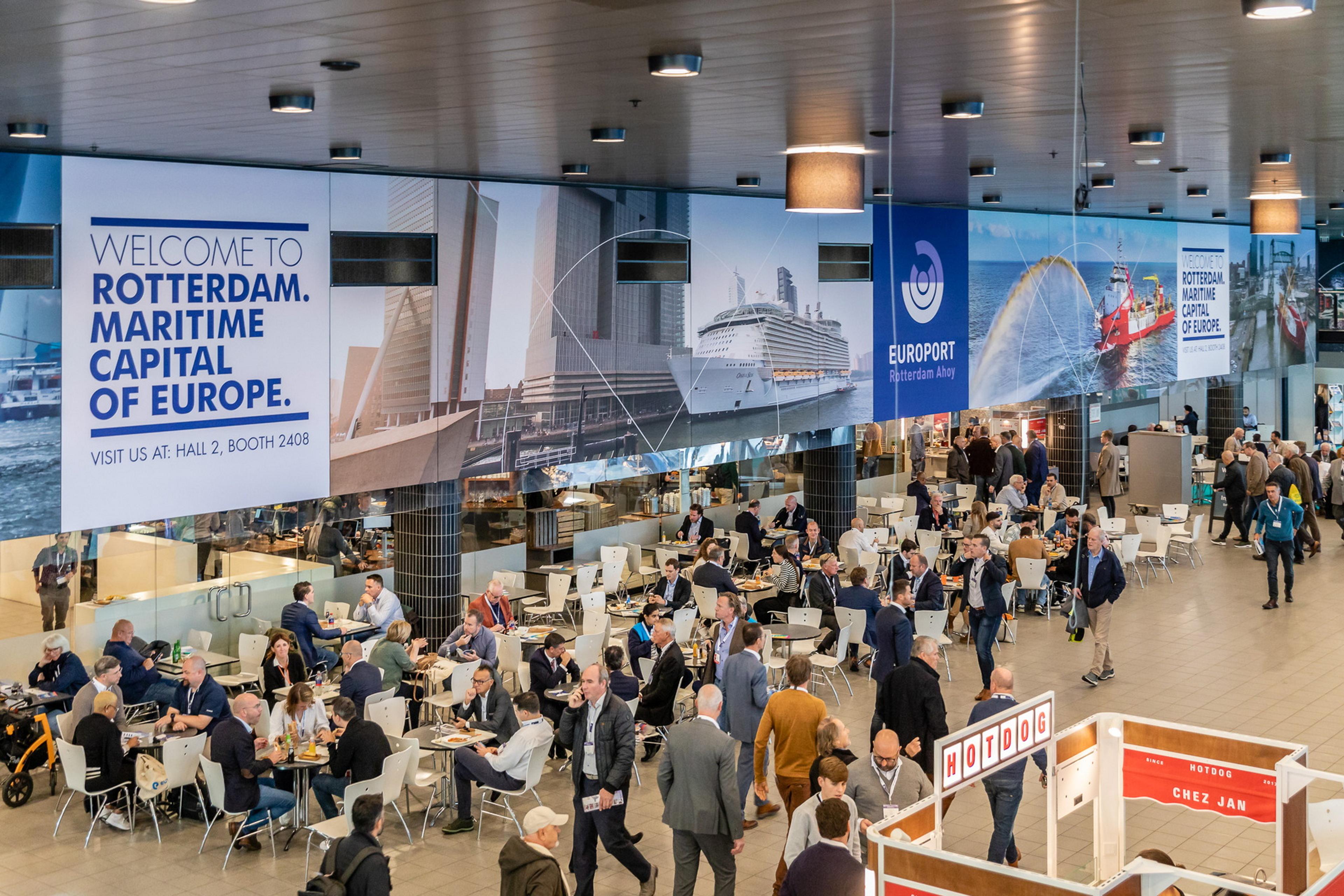
In November, we travelled to Europort in Rotterdam where the spotlight turned to the role of MRUs in vessel performance optimisation. This theme was introduced earlier in the year with our involvement in the GASS project, which is exploring the integration of motion data into smart shipping systems. We ended the year in Shanghai at Marintec China, discussing traditional applications such as motion compensation for cranes and gangways in offshore operations.
Real-life experiences
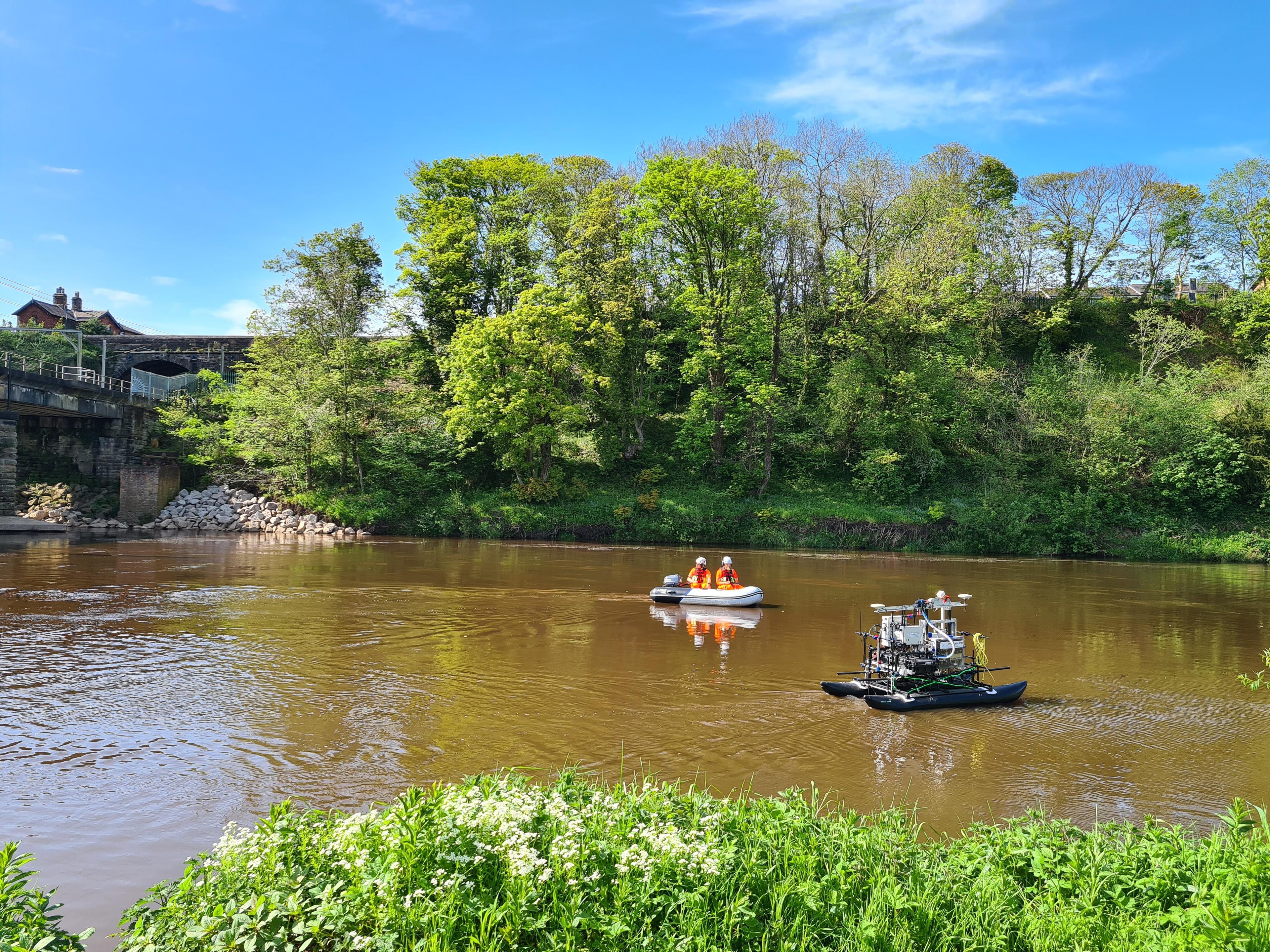
Beyond events, we continued to work with diverse users across a broad spectrum of maritime sectors. We highlighted how Ultrabeam Hydrographic used our compact, lightweight sensors to enhance data quality on their autonomous survey platform, Black Swan, while reducing integration complexity and eliminating the need for recalibration.
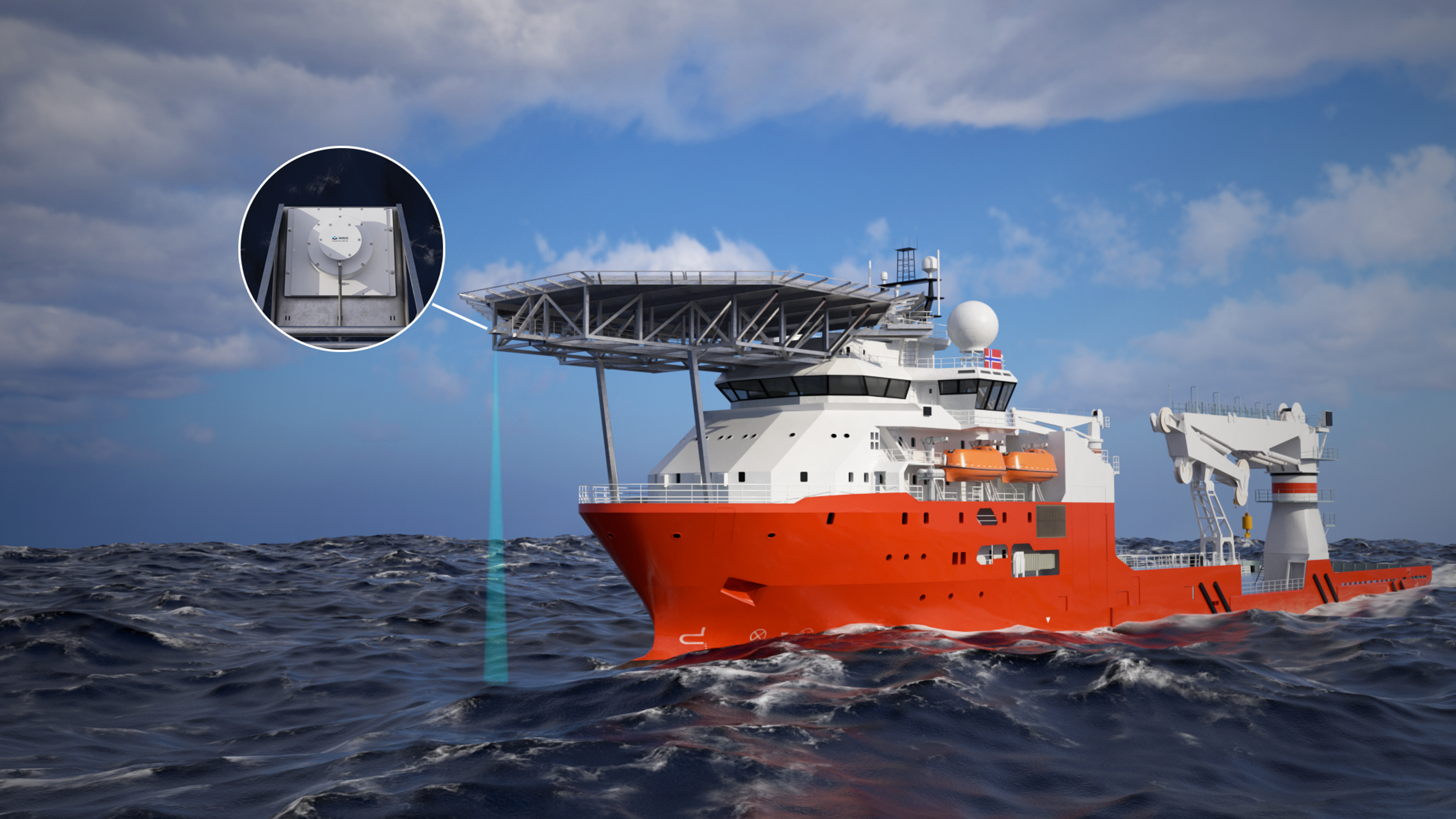
We showed how Miros Group is embedding Norwegian Subsea MRUs into their wave radar systems, reducing system cost and complexity, and supporting their enabled AI-powered wave prediction tools for safer offshore decision-making. We also focused on our collaboration with ShoreConnection, and how their systems with integrated MRUs support thousands of safe helicopter landings on offshore platforms through accurate, real-time motion monitoring.
Looking ahead
We see strong momentum continuing into 2026. We remain committed to making high-quality motion compensation data available to more users, whether they are exploring the seabed, managing vessel performance, or building technology for safe operations.
We are grateful to all our customers, collaborators, and partners for their support this year and look forward to new conversations and new innovations in the months ahead. You will find us next at Oceanology International in London, and at SMM in Hamburg in 2026. Until then, we wish you fair seas and continued success.