News
Loading...
Over 1200 Norwegian Subsea Motion Reference Units are in operation world-wide on over 600 vessels, floating and subsea structures.
Some selected customer references.
![[object Object] logo](https://cdn.sanity.io/images/awqie9xu/production/87048ddbefa668fb1cedfbe57d95c4ed80952694-300x40.webp?w=3840&q=75&fit=clip&auto=format)
![[object Object] logo](https://cdn.sanity.io/images/awqie9xu/production/034ff60887d577ea4fbed3e9d22f966a921de6ca-390x56.png?w=3840&q=75&fit=clip&auto=format)
![[object Object] logo](https://cdn.sanity.io/images/awqie9xu/production/a394745a4aedf4075114f2c35954df176cccd2bf-1245x569.webp?w=3840&q=75&fit=clip&auto=format)
![[object Object] logo](https://cdn.sanity.io/images/awqie9xu/production/a8c1028604ab448b97b2428c0ae80105b50b52fa-542x357.png?w=3840&q=75&fit=clip&auto=format)
![[object Object] logo](https://cdn.sanity.io/images/awqie9xu/production/0e5fc50b94c67cb36c257d572dc595a530afdaf1-800x600.webp?w=3840&q=75&fit=clip&auto=format)
![[object Object] logo](https://cdn.sanity.io/images/awqie9xu/production/a2ea46418098e5f991b183915d65a1efe5ced789-270x150.webp?w=3840&q=75&fit=clip&auto=format)
![[object Object] logo](https://cdn.sanity.io/images/awqie9xu/production/0bc9737334a84c62ba6d5a3e5954de8dae0465ec-300x70.webp?w=3840&q=75&fit=clip&auto=format)
![[object Object] logo](https://cdn.sanity.io/images/awqie9xu/production/bd409d5d2b60612c1f1f340e12e98d26735ef21f-1296x388.png?w=3840&q=75&fit=clip&auto=format)
![[object Object] logo](https://cdn.sanity.io/images/awqie9xu/production/aa4db096f9ad984979a2ac7a6c7da8440d8f5876-300x69.webp?w=3840&q=75&fit=clip&auto=format)
![[object Object] logo](https://cdn.sanity.io/images/awqie9xu/production/75d4b72143f835a48aea99ffa56360f8623258f9-354x91.webp?w=3840&q=75&fit=clip&auto=format)
![[object Object] logo](https://cdn.sanity.io/images/awqie9xu/production/e88b9bf4566789c7ebb2ff2ed5714a148bd306a0-948x1230.png?w=3840&q=75&fit=clip&auto=format)
![[object Object] logo](https://cdn.sanity.io/images/awqie9xu/production/0d8fb6e82e52fee6f27155f5e4e8a6604fefb391-300x80.webp?w=3840&q=75&fit=clip&auto=format)
![[object Object] logo](https://cdn.sanity.io/images/awqie9xu/production/f0a1a80c6d3ed0a697f370eb6e8185d0e1d47387-335x116.png?w=3840&q=75&fit=clip&auto=format)
![[object Object] logo](https://cdn.sanity.io/images/awqie9xu/production/ced4d21597c6aa10966a700beee785b14bd15d64-2343x892.jpg?w=3840&q=75&fit=clip&auto=format)
![[object Object] logo](https://cdn.sanity.io/images/awqie9xu/production/8796b48ed74760dc17dbc82083a5d5cb2091b7ac-5159x1981.webp?w=3840&q=75&fit=clip&auto=format)
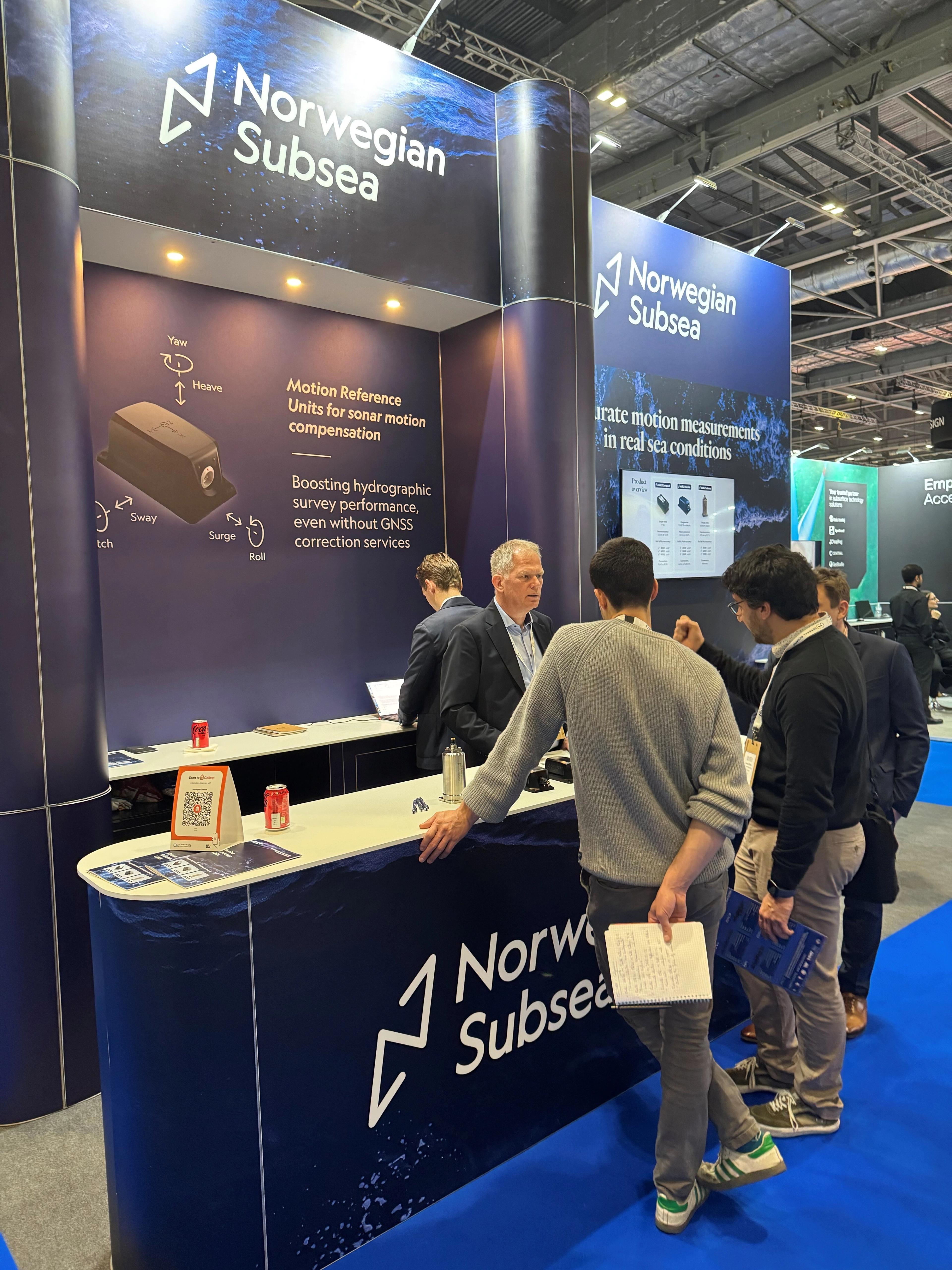
More than a month has passed since Oceanology International 2026, giving us time to reflect on the value of this major ocean technology and marine science event. For Norwegian Subsea, the London exhibition was defined by a wide range of conversations with both familiar and new faces, many of which are now developing into ongoing discussions across key marine and subsea applications.
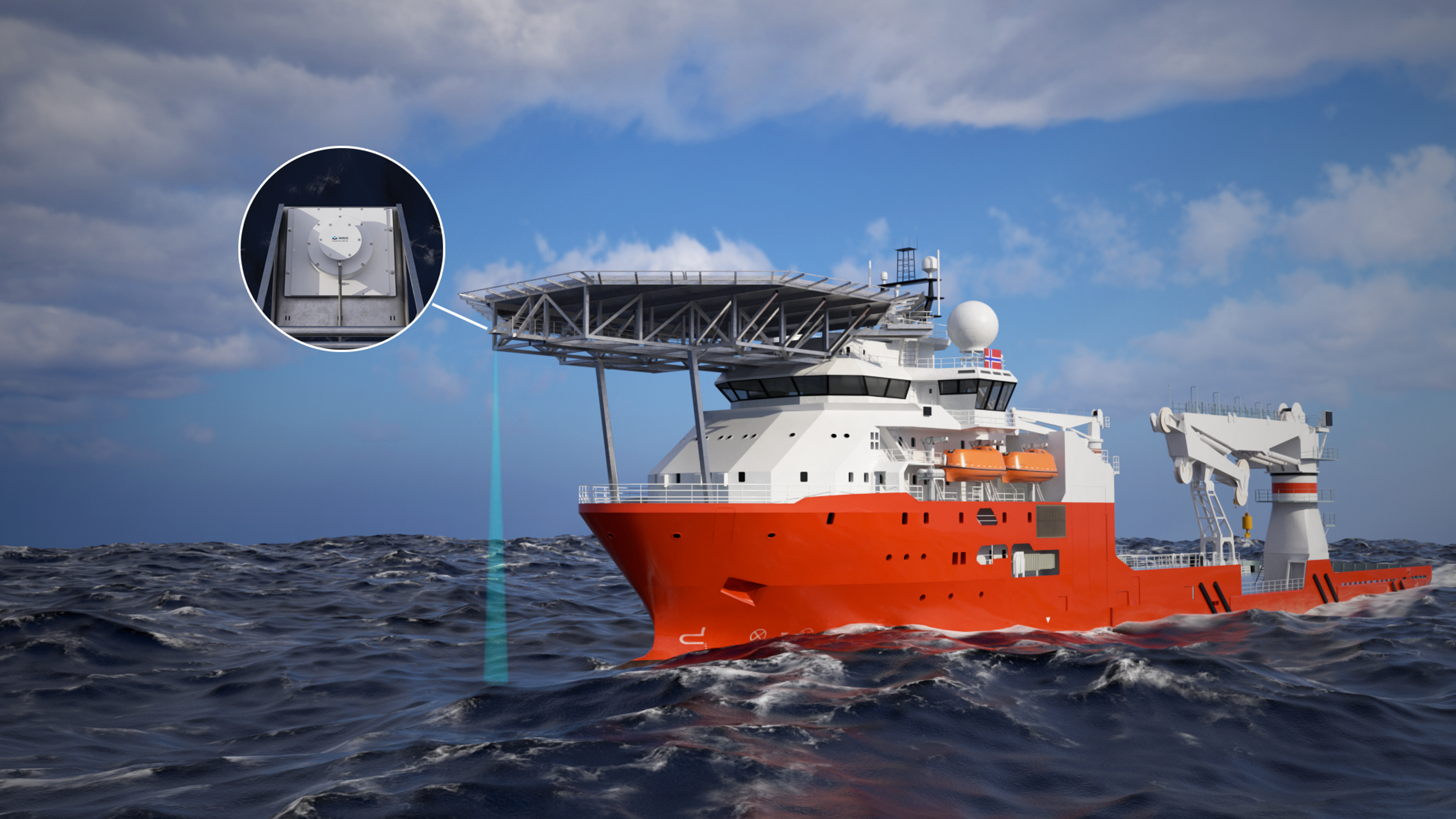
From bathymetric surveys to subsea inspections and wave radar systems, our Motion Reference Units (MRUs) have been put to work in a wide range of challenging environments during 2025. As the year draws to a close we take a quick look back at some of the highlights, applications, and collaborations that helped shape another strong year of progress for Norwegian Subsea.
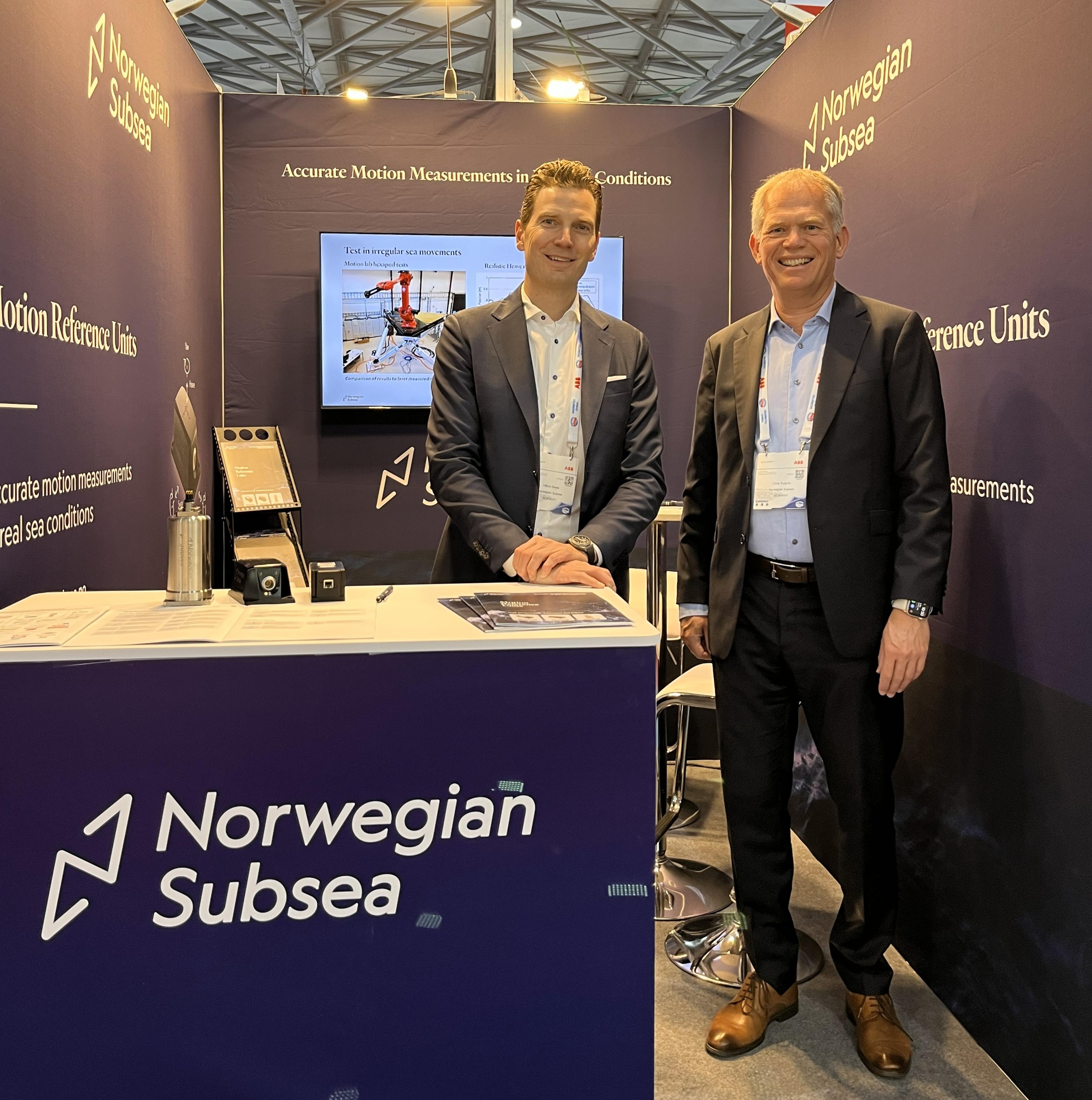
Norwegian Subsea has returned from a successful trip to Shanghai, where our compact Motion Reference Units (MRUs) drew strong interest from across the Chinese maritime supply chain during the Marintec China 2025 exhibition. As one of the world’s leading maritime events, Marintec provided an ideal platform to engage with shipbuilders, integrators and equipment manufacturers in a region where innovation and scale go hand in hand.
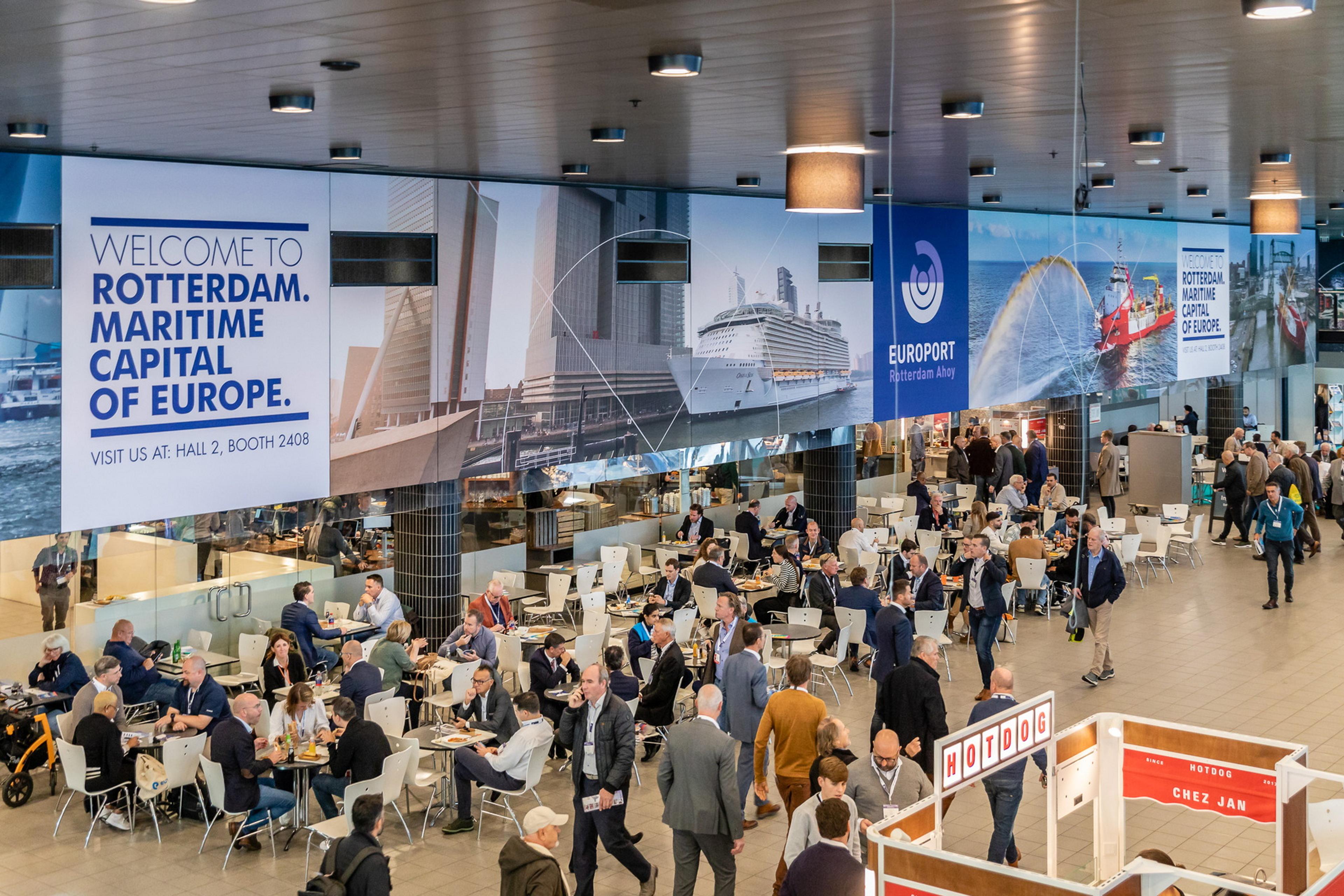
Next week, the maritime world gathers in Rotterdam for Europort 2025, one of the largest international meeting points for shipbuilders, technology providers and operators. With a strong focus on innovation and sustainability, the exhibition is an important platform for discussing how the industry can meet future demands through smarter, greener solutions.
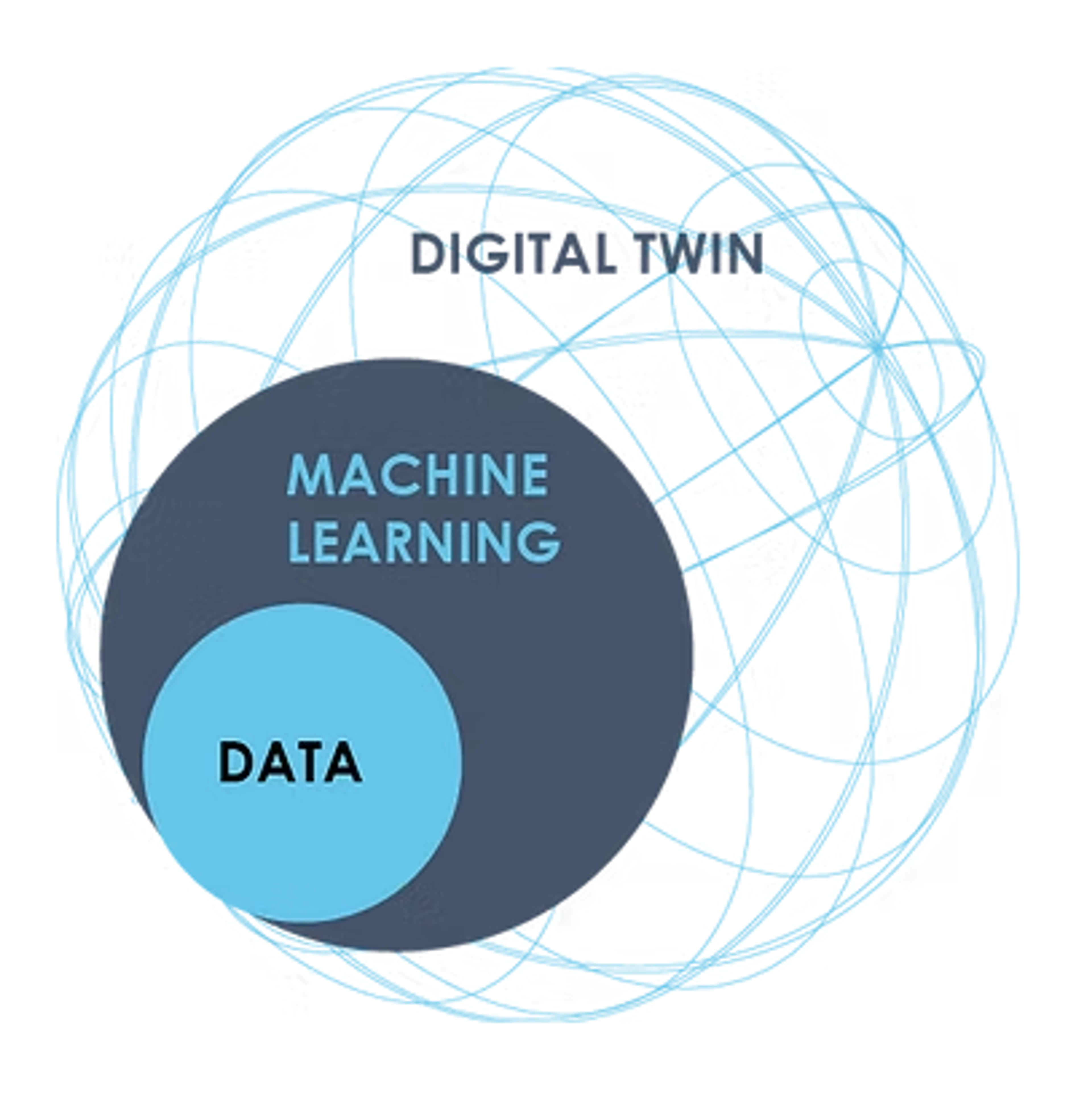
Green AI for Sustainable Shipping (GASS), funded by The Green Platform Initiative, is a research project led by NAVTOR alongside project partners Grieg Star, Maritime CleanTech, Scandinavian Reach Technologies (ScanReach), Simula Research Laboratory, SinOceanic Shipping, and Sustainable Energy/SIVA, with support from the Norwegian Research Council, Innovation Norway, and SIVA.
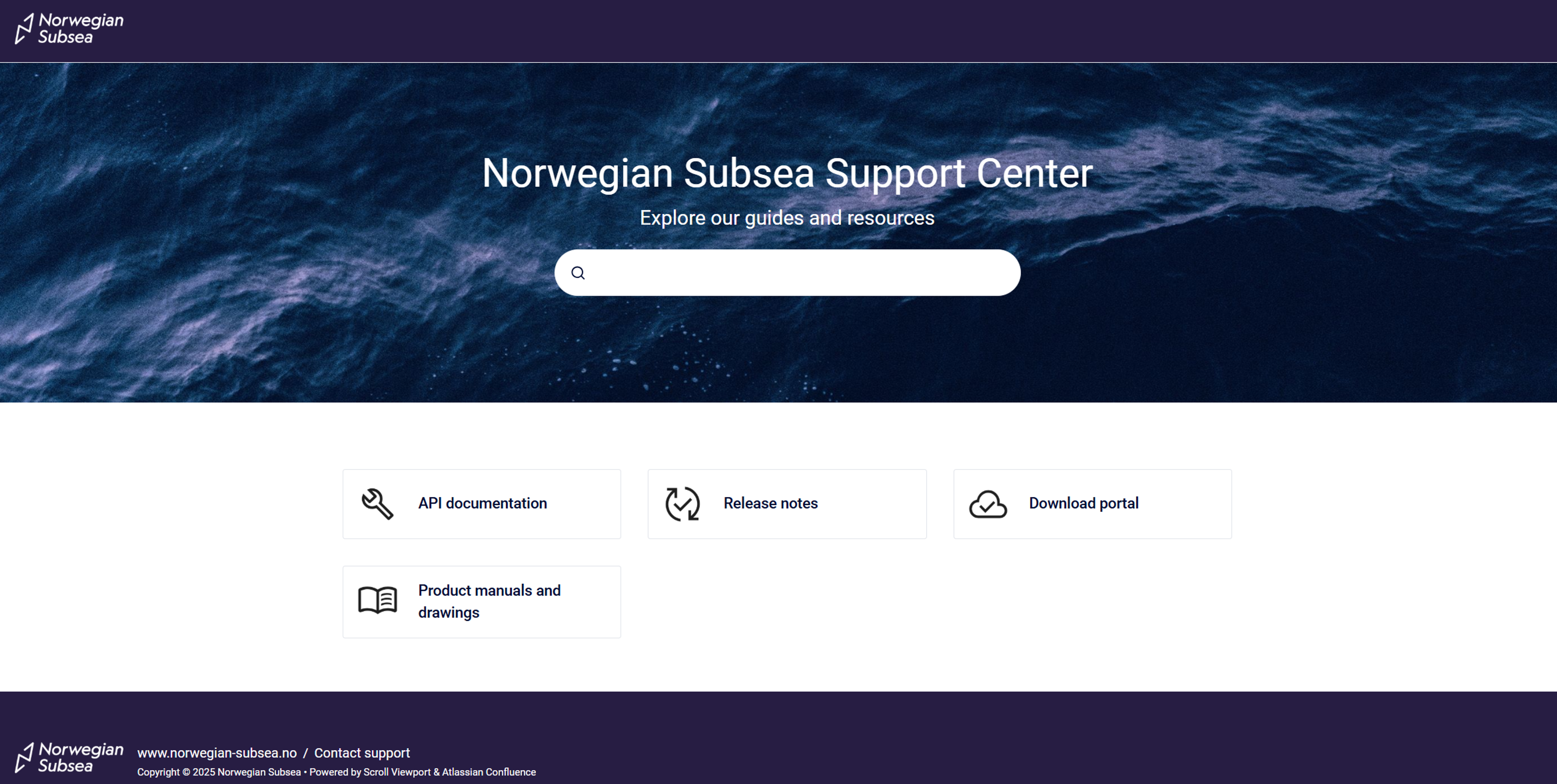
Norwegian Subsea has launched a dedicated support portal to better serve equipment manufacturers and end users of our Motion Reference Units (MRUs). The new site – support.norwegian-subsea.no – is now live and provides streamlined access to e.g., API and technical documentation, setup guides, firmware updates, and product drawings.
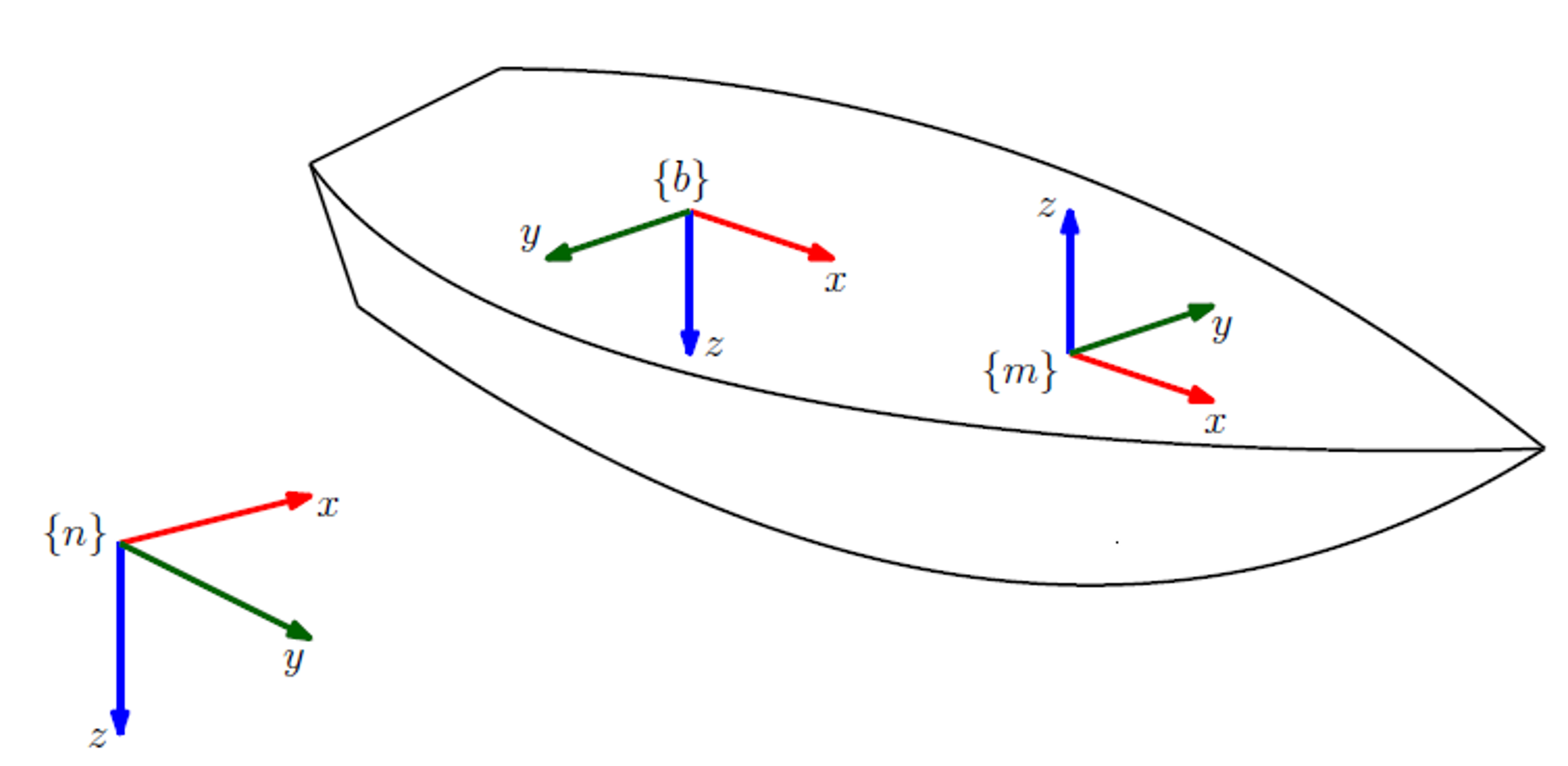
We often get question from our Motion Reference Unit (MRU) users about the reference frames that are used: NED, BODY and MRU frame. This article explains what these are.
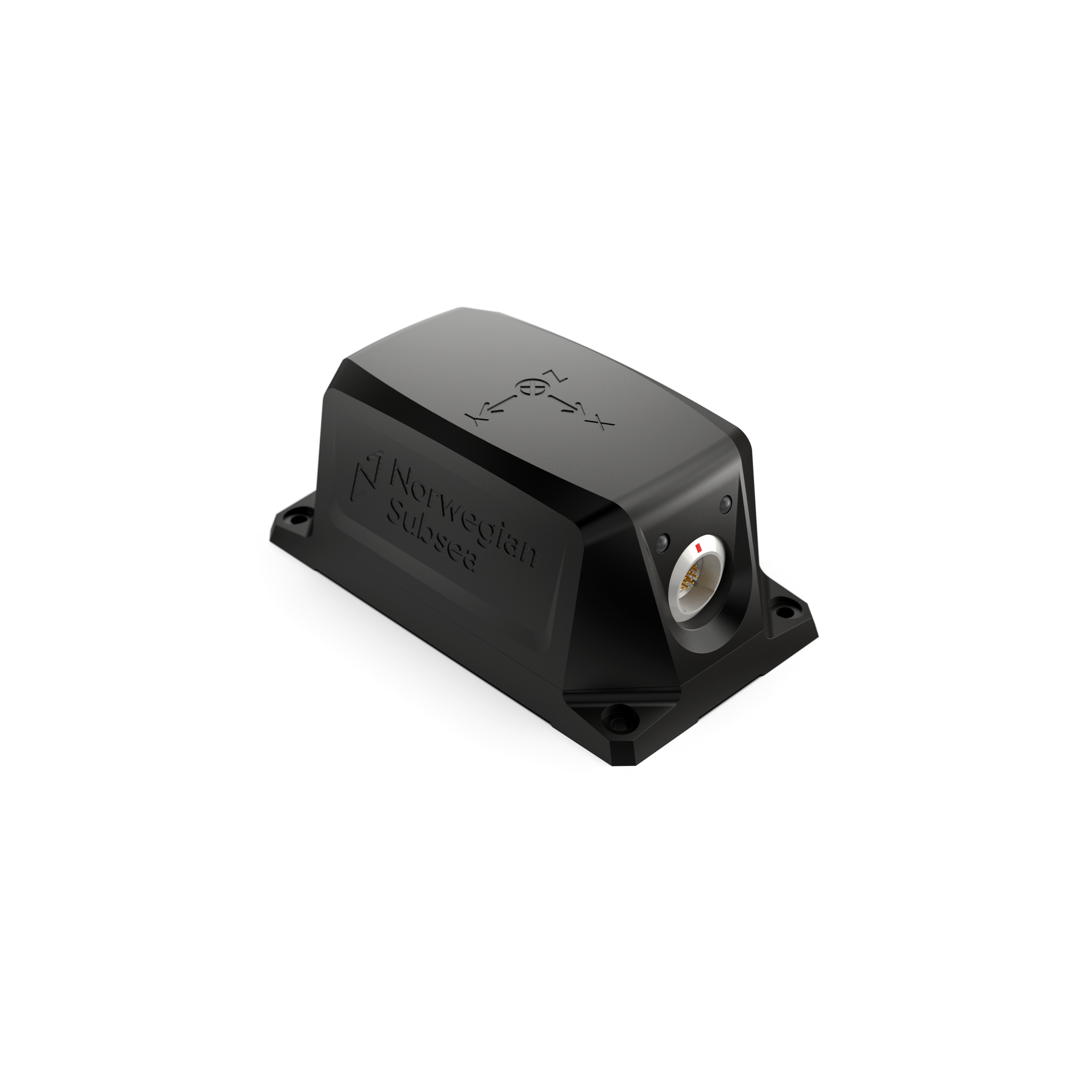
Norwegian Subsea is bringing its acclaimed Motion Reference Unit (MRU) technology to sonar-based applications with the introduction of an updated MRU lineup featuring full aiding capabilities at Ocean Business 2025 this week.
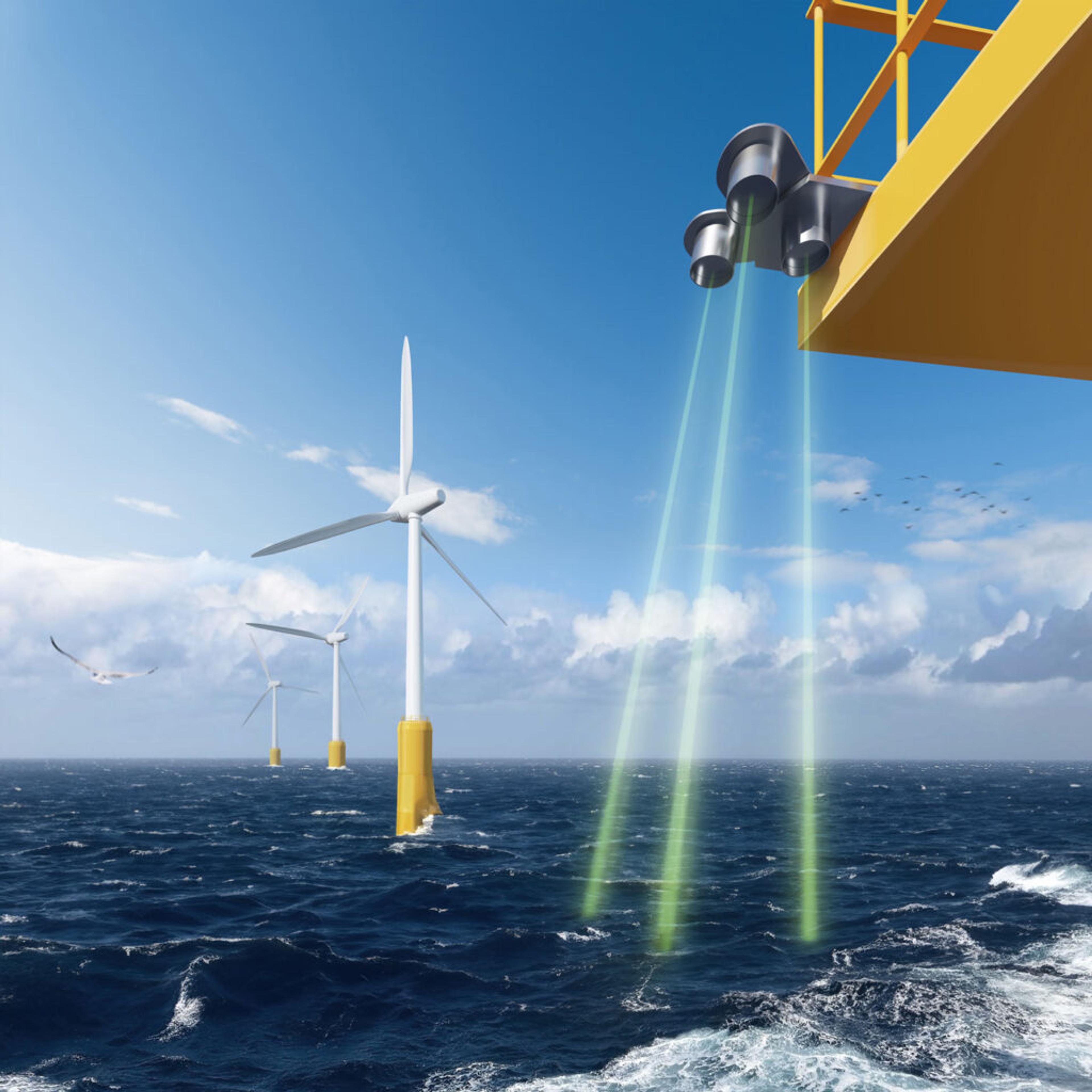
Dutch company Radac is committed to delivering the most advanced wave radar systems that focus on the task of providing accurate, localised wave and seastate data. To support the highest levels of accuracy and reliability, Motion Reference Units (MRUs) from Norwegian Subsea are used as standard in its WaveGuide radar systems. This has helped build an enviable reputation for quality in the offshore industry, with Radac’s systems widely recognised for enabling confident decision-making in diverse and dynamic marine environments.
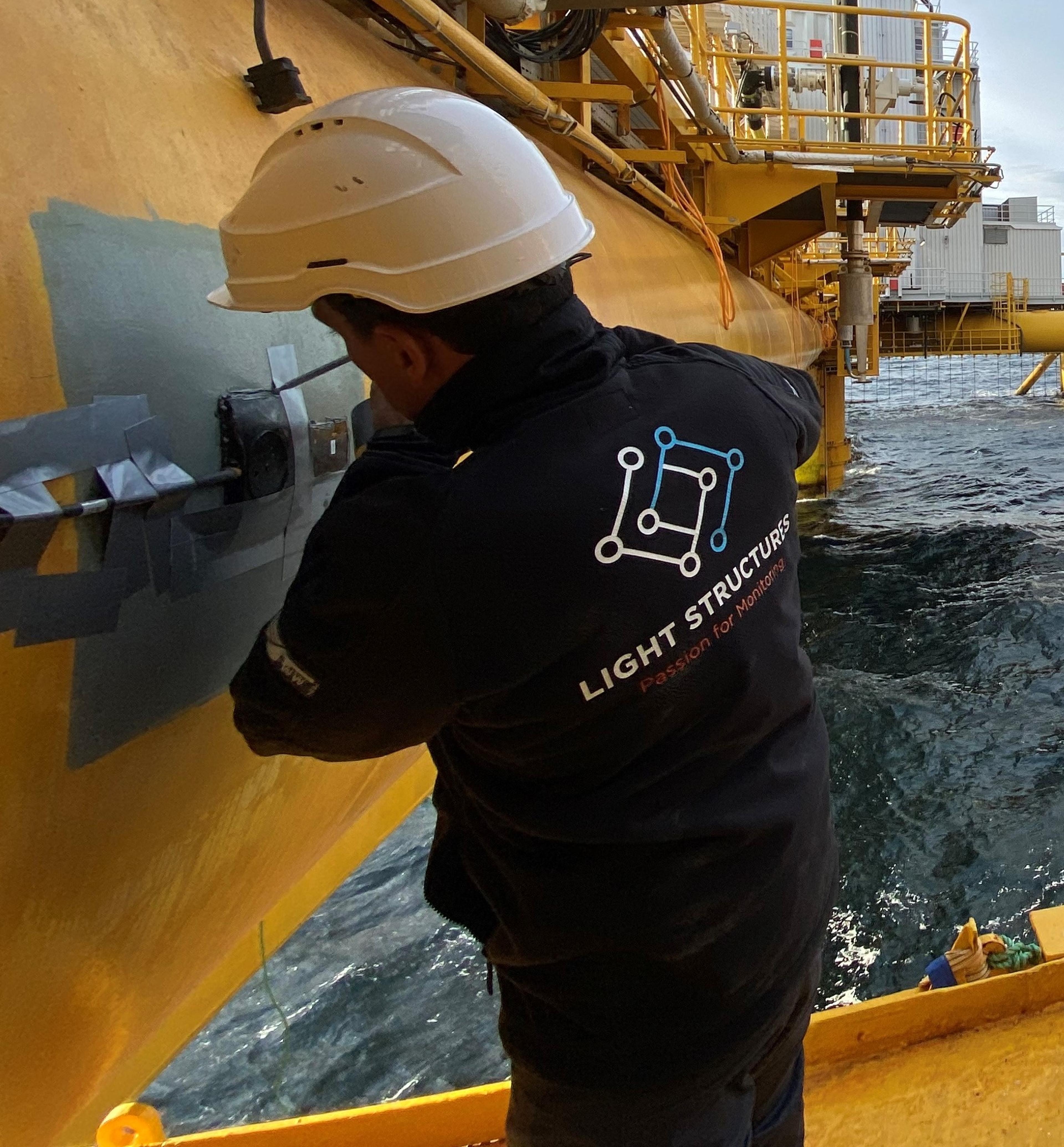
As the maritime industry accelerates its journey towards smarter, more efficient digital operations, structural health monitoring systems are playing a central role in operational efficiency, safety and sustainability. These systems increasingly depend on real-time, high-fidelity data from Motion Reference Units (MRUs) to contextualise structural stresses with the vessel’s motion in a given sea state. This is especially important in meeting the evolving requirements of classification society SMART notations from bodies such as the American Bureau of Shipping (ABS) and DNV.