How is precision measurement achieved in subsea motion sensors?
Achieving precision measurement in subsea motion sensors relies fundamentally on integrating high-quality Micro-Electro-Mechanical Systems (MEMS) sensors with sophisticated sensor fusion algorithms. These algorithms intelligently combine data from multiple sensor types (like accelerometers and gyroscopes) to calculate highly accurate orientation (Roll, Pitch, Yaw) and motion (Heave, Surge, Sway) data, compensating for individual sensor limitations and environmental noise.
At Norwegian Subsea, we utilize state-of-the-art MEMS technology coupled with our proprietary, advanced sensor fusion algorithms. These algorithms are rigorously developed and validated not just in laboratory settings, but crucially, under real-world sea conditions to ensure robust performance and high accuracy across dynamic marine environments. This results in reliable 6 Degrees of Freedom (6DoF) motion data essential for demanding subsea operations.
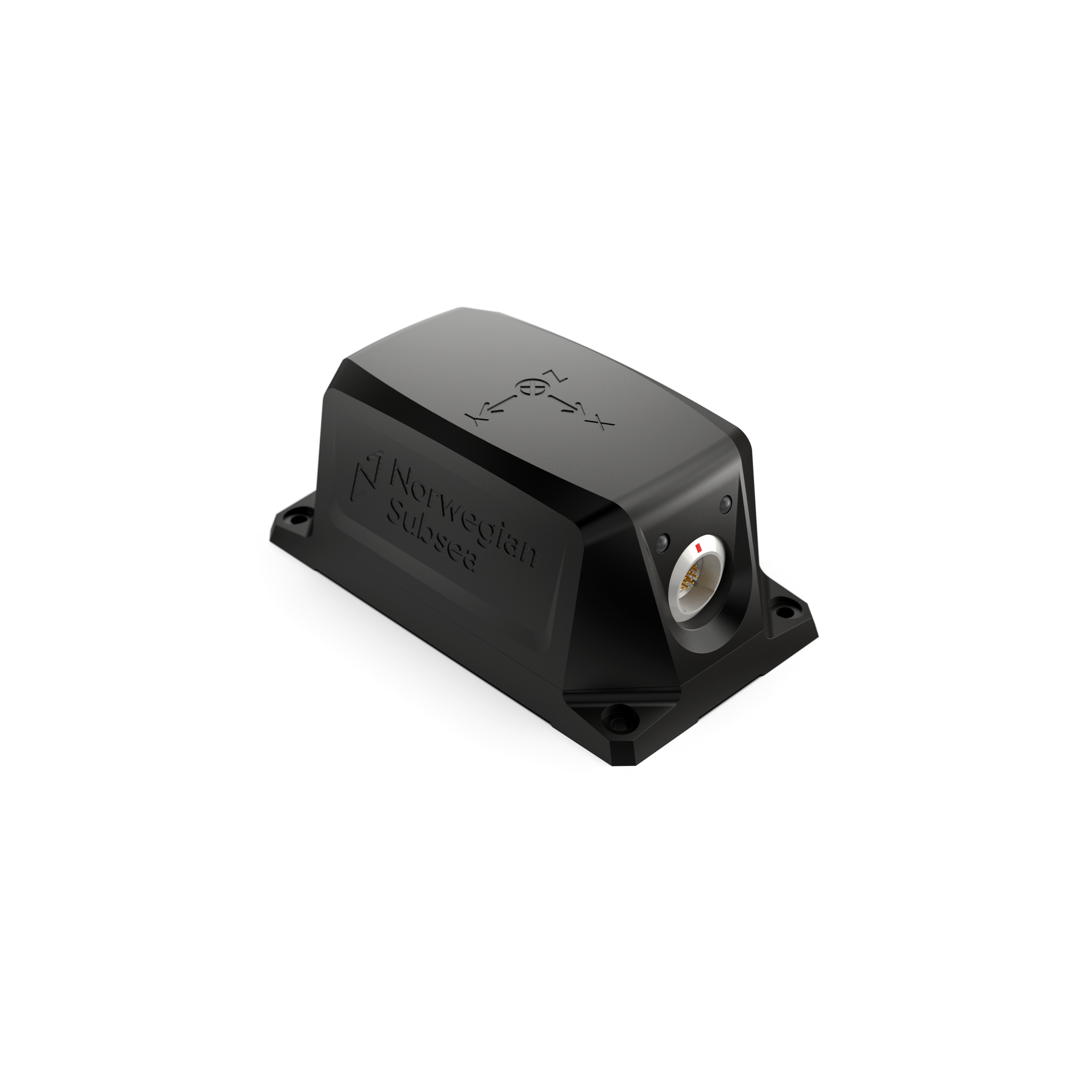
Furthermore, precision requires robust hardware designed for the harsh subsea environment. Our MRU Subsea, for example, features a compact, durable titanium housing rated for depths up to 6000 meters. This ensures the integrity and stability of the internal sensors, contributing significantly to measurement precision and long-term reliability without the need for frequent recalibration.