An MRU, or Motion Reference Unit, is a device used to measure and record the movements of a vessel or object in all six degrees of freedom: roll, pitch, yaw, surge, sway, and heave.
MRUs are key components in control and monitoring of helidecks, offshore gangways, cranes, winches, sonars, ships, buoys, and many other applications.

Many suppliers tend to present test data solely for simple regular motions observed in laboratory conditions. At sea, vessels experience irregular and coupled motions.
While most sensors perform well in sine wave motion, only a select few excel in irregular sea conditions.
Our MRUs stand out as they consistently deliver exceptional performance across all conditions.
Market leading accuracy in real sea conditions.
High performance in all conditions at affordable prices set the Norwegian Subsea MRUs apart from the competition.
Our small and lightweight MRUs, with flexible cable options, are easy to install with the MRU configurator for effortless integration.
Over 1400 Norwegian Subsea Motion Reference Units are in operation world-wide on over 700 vessels, floating and subsea structures.
Some selected customer references.

Norwegian Subsea produces industry-leading Motion Reference Units (MRUs) for marine, subsea and wind energy applications. Our MRUs are robust and affordable, and offer high-accuracy performance, along with a plug-and-play interface.

Our MRUs are versatile and well-suited for a wide range of applications and usage scenarios.

Safe landing of helicopters, ship and cargo stability, monitoring of ships, risers, or wind turbines. Motion measurements can be used in real-time to monitor safe operating conditions, as an input to a digital twin model or as an input to AI algorithms. In all these circumstances, reliable and accurate motion data is paramount.

By actively compensating for heave motion, marine MRUs enable improved stability, control, and operational efficiency for offshore operations such as crane operations, subsea installations, and other tasks that require precise positioning and motion control in challenging sea conditions.

By accounting for factors such as sensor misalignments, offsets, and drift, instrument compensation enhances the precision of marine MRUs in capturing and analyzing vessel motions, enabling more accurate data for a range of marine applications including navigation, research, and structural monitoring.
Norwegian Subsea Motion Reference Units can be used in a variety of marine, subsea and wind energy applications.

Dutch company Radac is committed to delivering the most advanced wave radar systems that focus on the task of providing accurate, localised wave and seastate data. To support the highest levels of accuracy and reliability, Motion Reference Units (MRUs) from Norwegian Subsea are used as standard in its WaveGuide radar systems. This has helped build an enviable reputation for quality in the offshore industry, with Radac’s systems widely recognised for enabling confident decision-making in diverse and dynamic marine environments.

As the maritime industry accelerates its journey towards smarter, more efficient digital operations, structural health monitoring systems are playing a central role in operational efficiency, safety and sustainability. These systems increasingly depend on real-time, high-fidelity data from Motion Reference Units (MRUs) to contextualise structural stresses with the vessel’s motion in a given sea state. This is especially important in meeting the evolving requirements of classification society SMART notations from bodies such as the American Bureau of Shipping (ABS) and DNV.

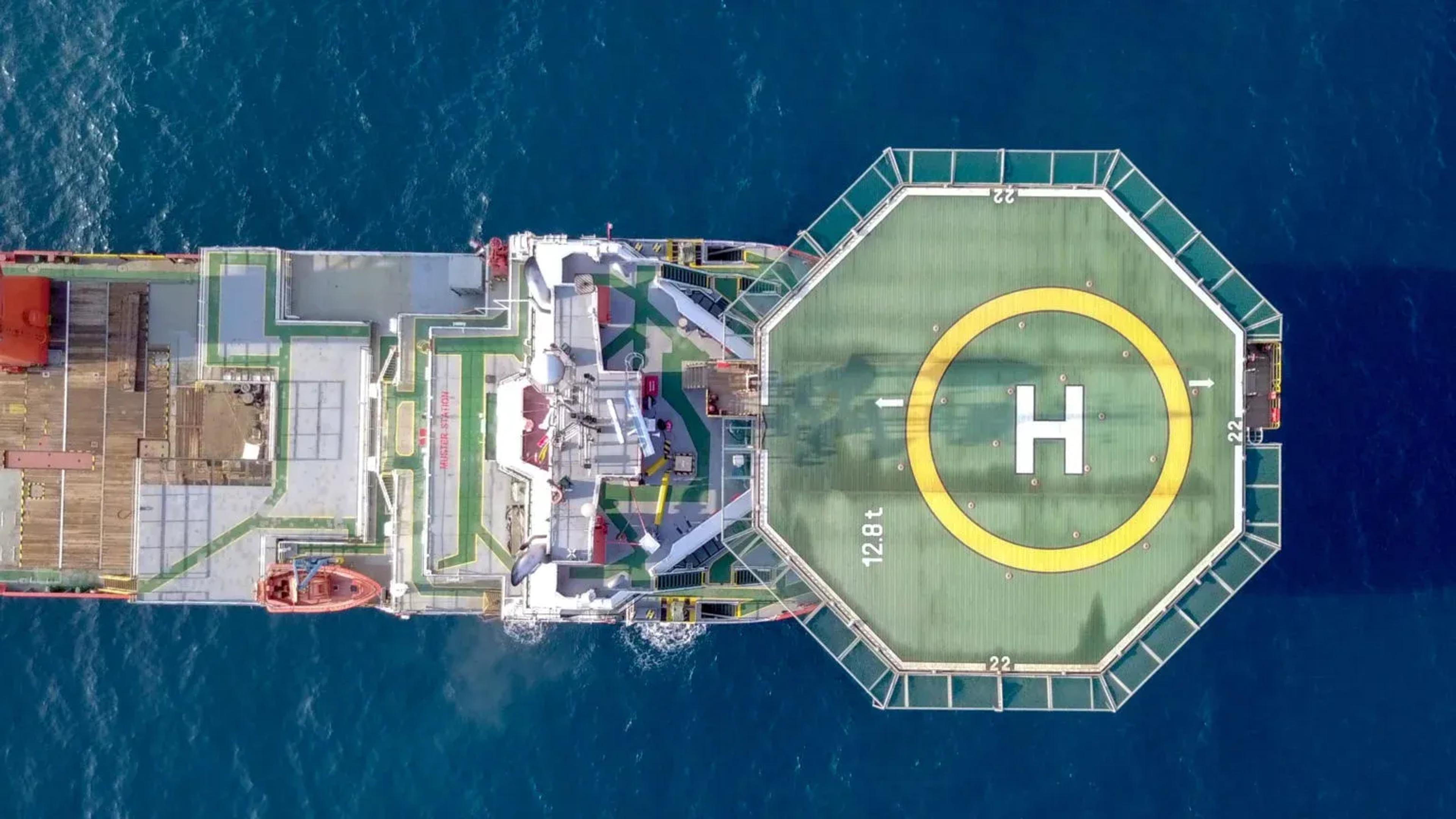
Helideck Motion Monitoring & Weather Data Systems (HMS) provide real-time motion and environmental data essential for flight planning and for pilots to remain in safe control during take off and landing from moving helidecks. The HMS depends on Motion Reference Units (MRU) installed directly on to the support structure that continuously measure the helideck’s movement. Leading HMS manufacturer ShoreConnection chooses MRUs built by Norwegian Subsea.
"The whole industry is welcoming these MRUs."

"The accuracy, weight, and form factor of Norwegian Subsea MRUs are unmatched."

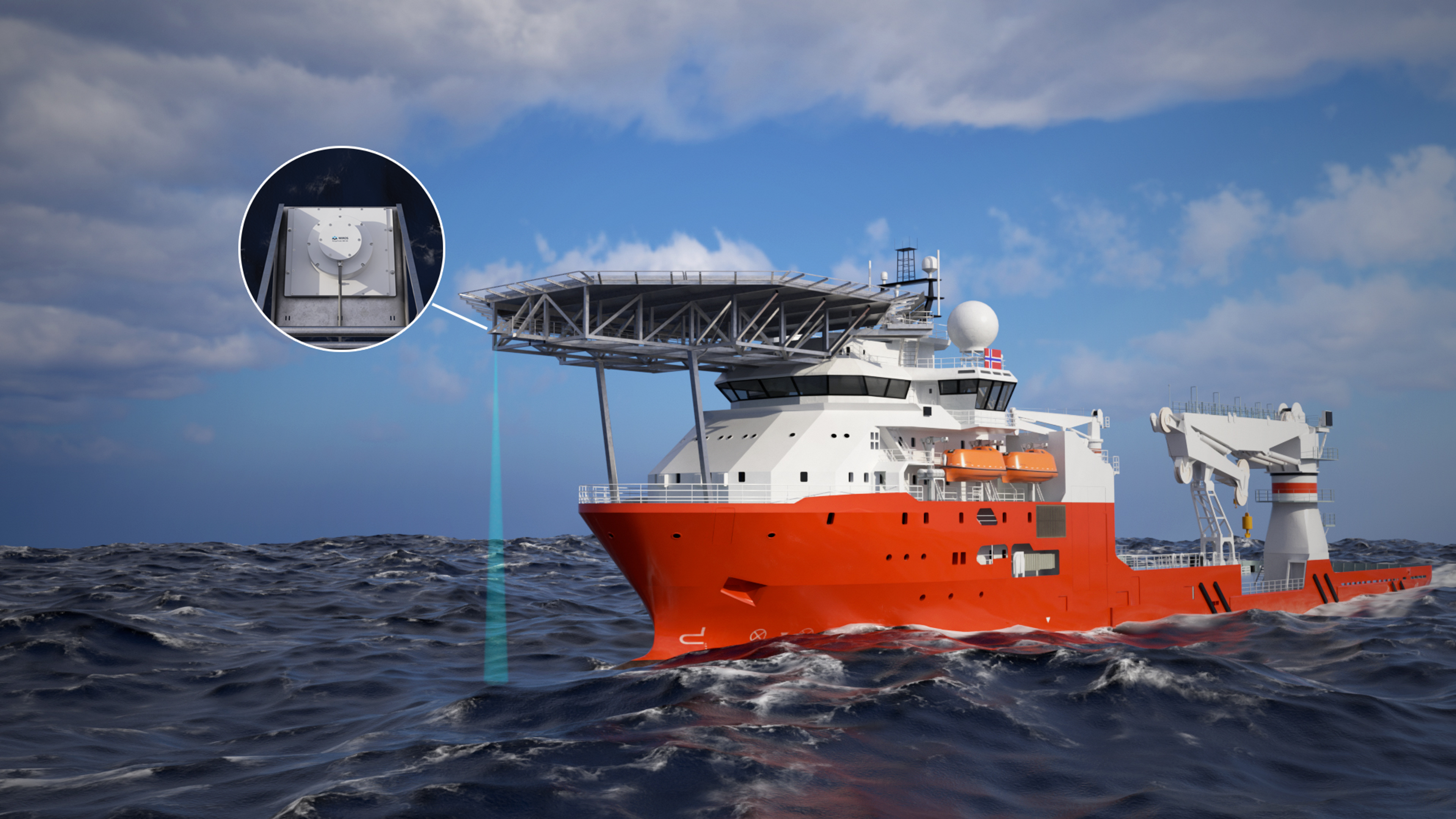
"They are rock solid. Many Norwegian Subsea MRUs have been running 24/7 inside Miros products for up to eight years without issue, producing real-time data every second."

"We have tried similar MRUs and Norwegian Subsea was the clear choice, not only for the quality of data, but also the ease of integration"


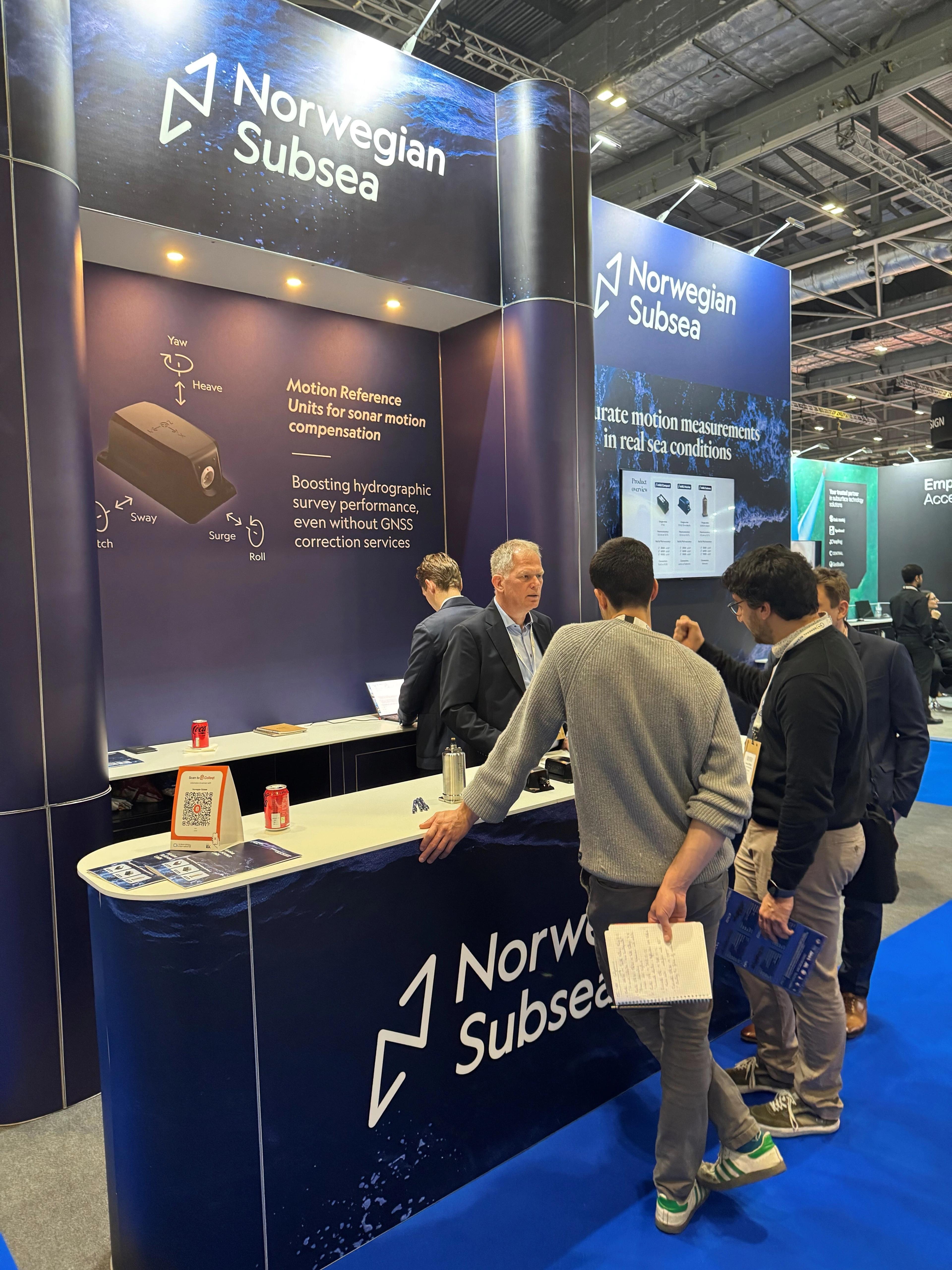
More than a month has passed since Oceanology International 2026, giving us time to reflect on the value of this major ocean technology and marine science event. For Norwegian Subsea, the London exhibition was defined by a wide range of conversations with both familiar and new faces, many of which are now developing into ongoing discussions across key marine and subsea applications.
From bathymetric surveys to subsea inspections and wave radar systems, our Motion Reference Units (MRUs) have been put to work in a wide range of challenging environments during 2025. As the year draws to a close we take a quick look back at some of the highlights, applications, and collaborations that helped shape another strong year of progress for Norwegian Subsea.

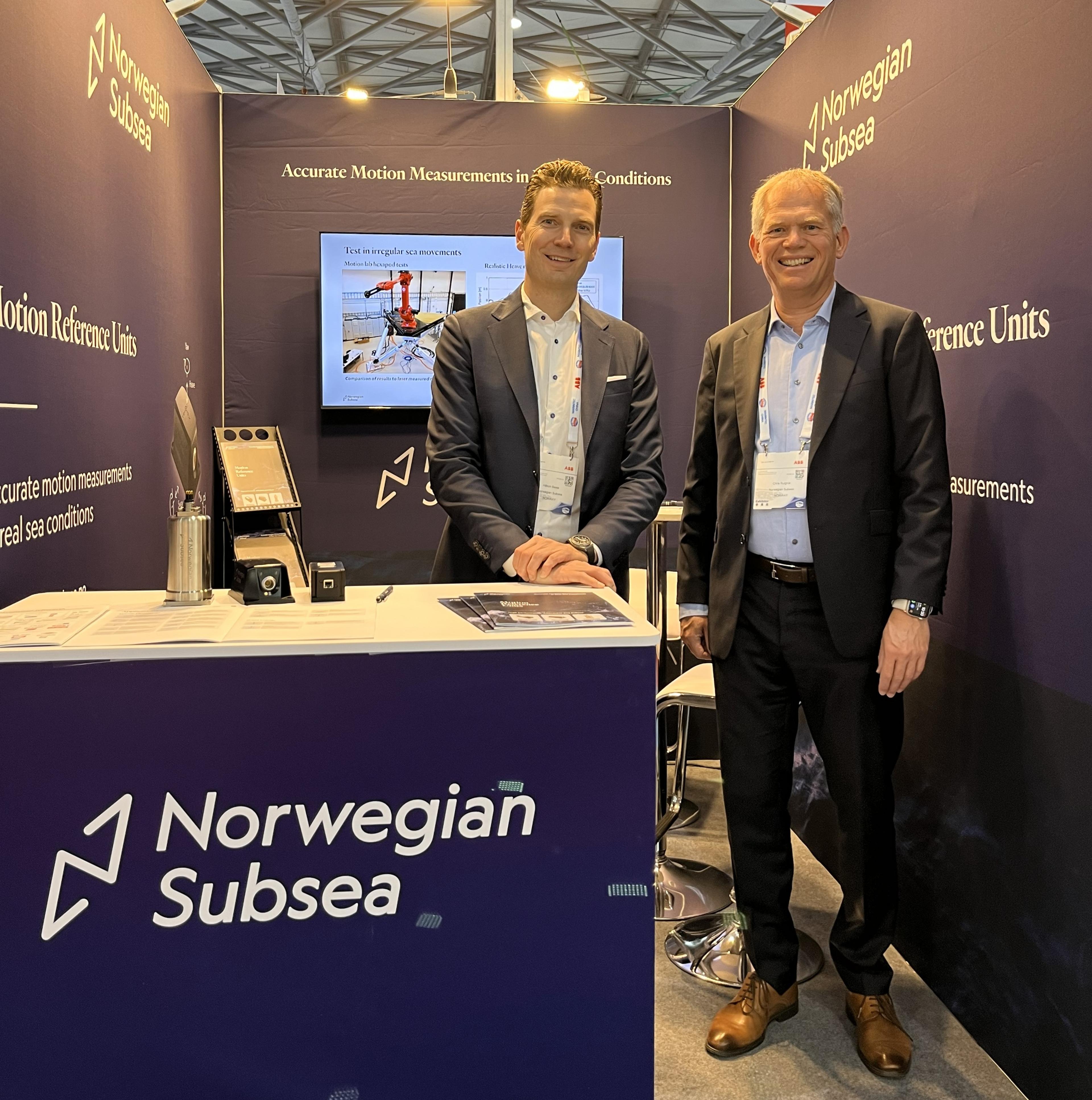
Norwegian Subsea has returned from a successful trip to Shanghai, where our compact Motion Reference Units (MRUs) drew strong interest from across the Chinese maritime supply chain during the Marintec China 2025 exhibition. As one of the world’s leading maritime events, Marintec provided an ideal platform to engage with shipbuilders, integrators and equipment manufacturers in a region where innovation and scale go hand in hand.