ACC Marine
Ultra-low-noise accelerometer for marine structural monitoring
0.7 µg/√Hz noise density. Ready-to-deploy marine housing. Built for the signals that standard accelerometers can't see.
ACC Marine
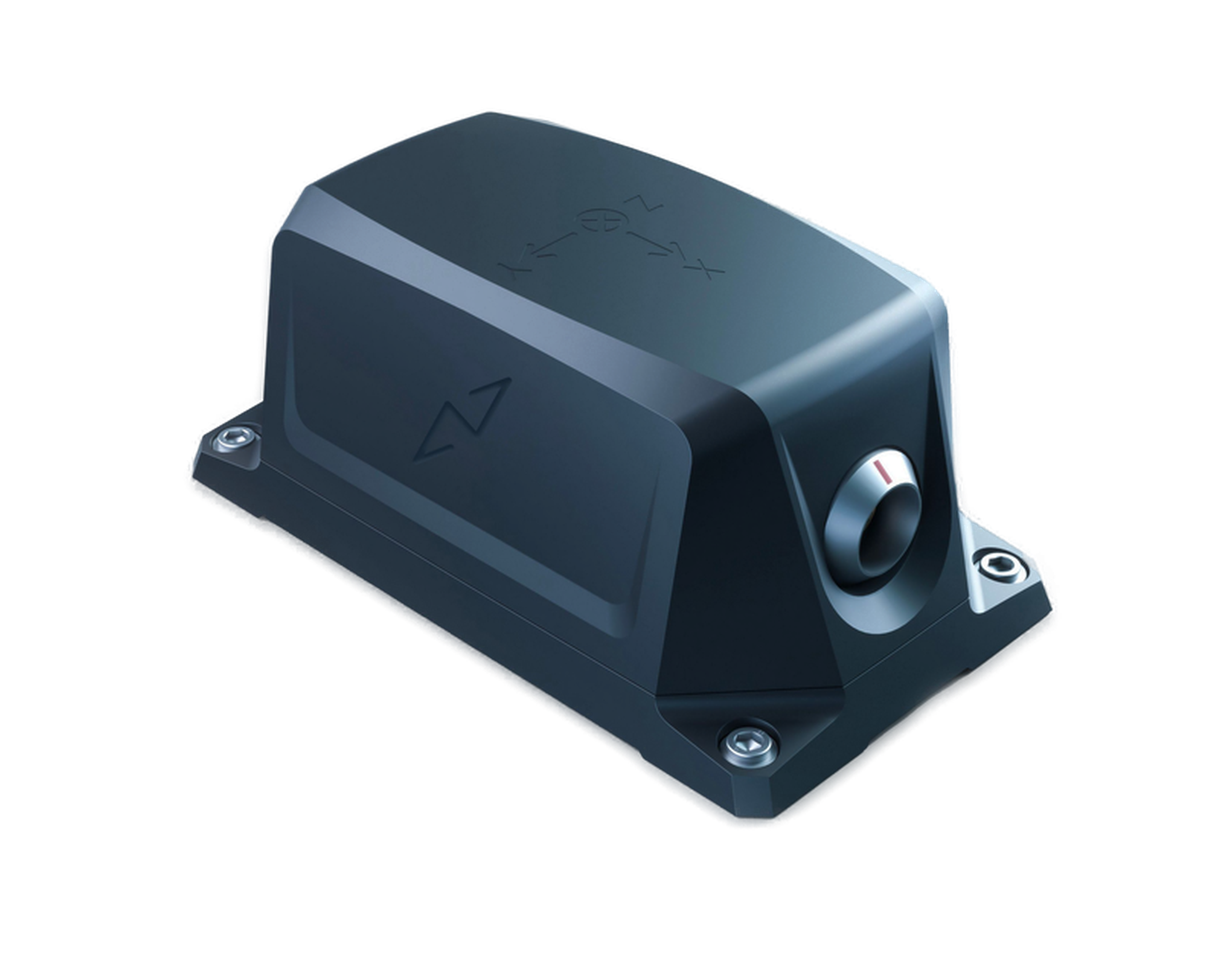
Ultra-low-noise accelerometer for marine structural monitoring
0.7 µg/√Hz noise density. Ready-to-deploy marine housing. Built for the signals that standard accelerometers can't see.

Exceptionally low 0.7 µg/√Hz RMS noise density combined with very high in-run bias stability enabling new applications

Ethernet, serial communication and industry-standard protocols including Modbus TCP, Modbus RTU and EtherNet/IP. Configuration software supports setup, monitoring and firmware updates.

Compact waterproof aluminium housing for marine environments. The ACC Marine SW variant can be used in up to 50 m water depth.
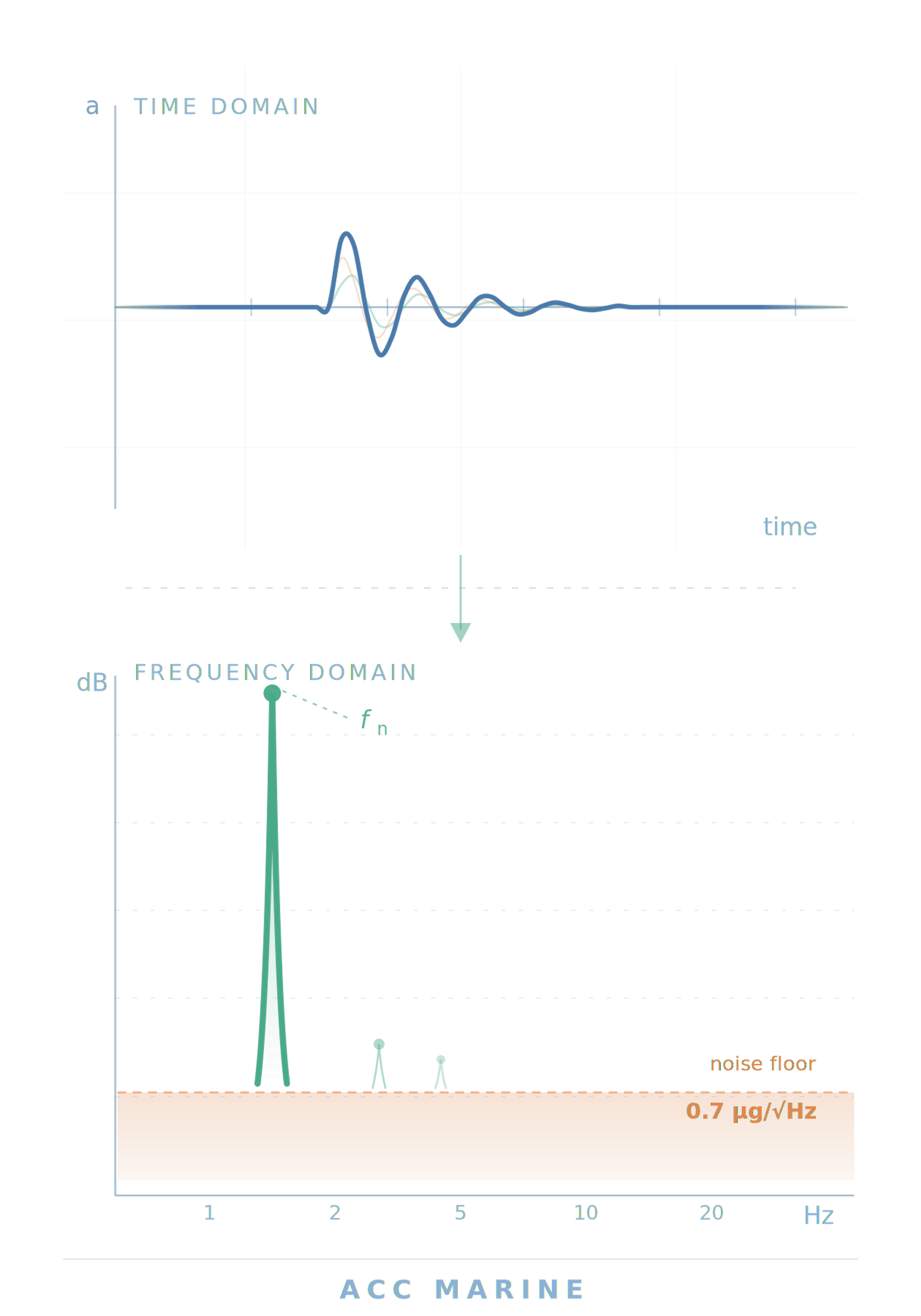
The ACC Marine is a 3-axis accelerometer with a noise density of 0.7 µg/√Hz RMS — low enough to resolve structural motion that standard sensors cannot distinguish from noise. It combines this measurement performance with high bias stability and industrial communication interfaces, making it suitable for permanent structural monitoring without custom signal conditioning or external housing.
The ACC Marine (IP68) installs in dry or protected locations. The ACC Marine SW is rated for the splash zone and continuous deployment at up to 50 m water depth — enabling direct mounting on submerged structures without additional enclosures.
Typical installations include floating offshore wind platforms, offshore jackets and monopiles, subsea templates, FPSOs and vessels. In all these environments, the combination of ultra-low noise and ready-to-deploy marine packaging reduces both measurement uncertainty and integration effort.
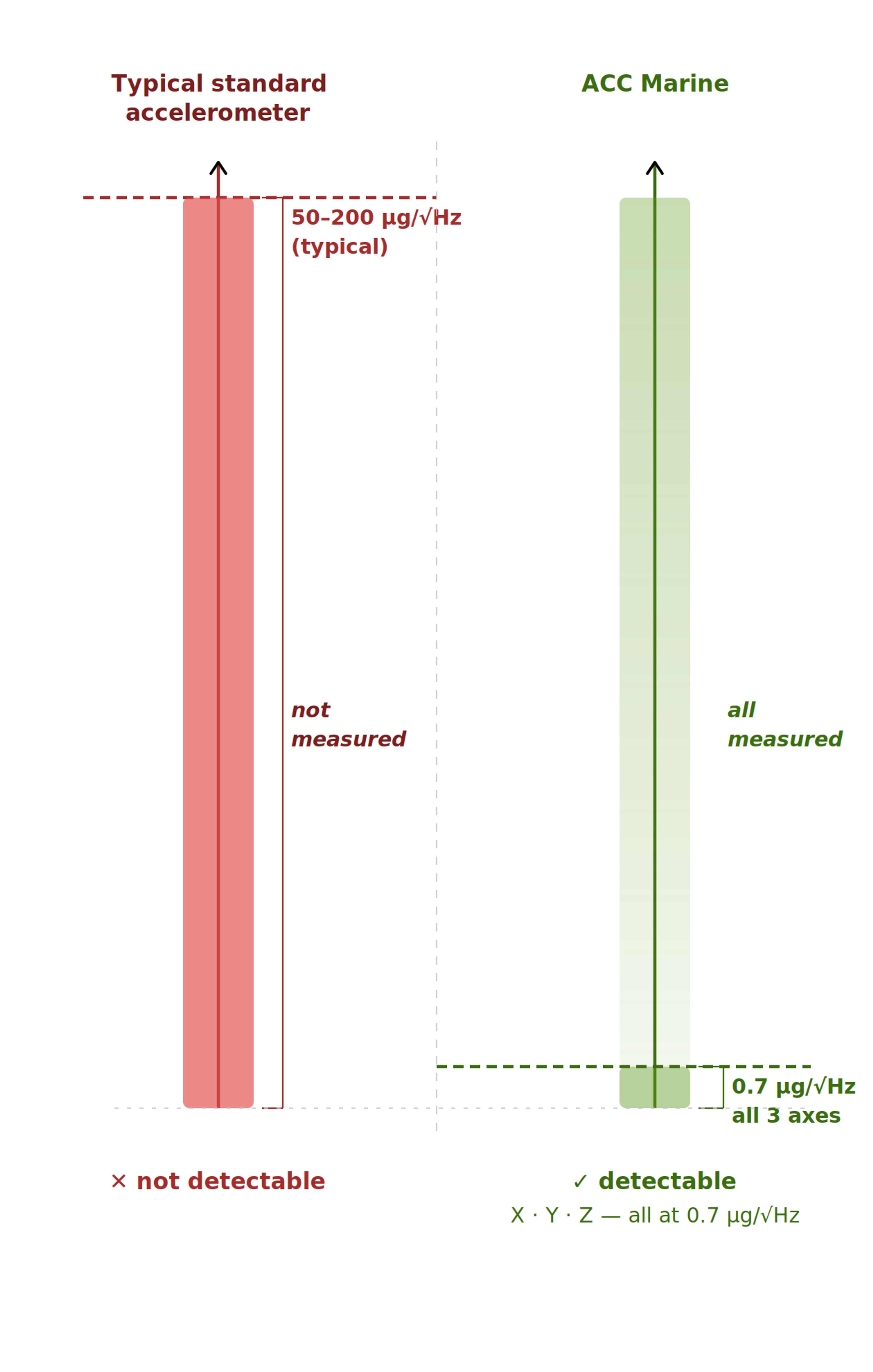
Large marine and offshore structures often move at low frequencies and with very small acceleration levels. With standard accelerometers, these small signals can be difficult to separate from sensor noise.
ACC Marine has a noise density of 0.7 µg/√Hz RMS, allowing it to detect low-amplitude vibration with high confidence.
This makes it suitable for structural monitoring, fatigue assessment, natural frequency tracking, resonance detection and digital twin input.
Low noise gives better data quality — especially when small changes in structural response matter.
Monitor jackets, monopiles, topsides, bridges, walkways and support structures. ACC Marine provides high-resolution vibration data for structural response, resonance behaviour and changes in stiffness or damping.
Use the ACC Marine SW variant in up to 50 m water depth. Typical use cases include vibration monitoring, impact detection, operational movement and low-frequency structural response.
Monitor the dynamic response of floating wind platforms, towers, transition pieces and substructures. The data can support fatigue assessment, model validation, natural frequency tracking and digital twin input.
Monitor hull and deck response, wave-induced vibration, machinery-induced vibration and fatigue-relevant motion on vessels, barges, FPSOs and other floating assets.
Standard accelerometers are well suited for many vibration monitoring tasks, especially when the vibration levels are high.
However, offshore and marine structures often produce low-frequency, low-amplitude motion where sensor noise becomes a limiting factor.
ACC Marine - Ultra-low-noise accelerometer, is designed for measurement points where signal quality, long-term stability and marine integration are critical.
ACC Marine is not intended to replace every standard accelerometer.
Marine: IP68
Marine SW: 50 m water depth
Marine Anodized Aluminum 6061-T6
154 x 86 x 67 mm
1.2 kg
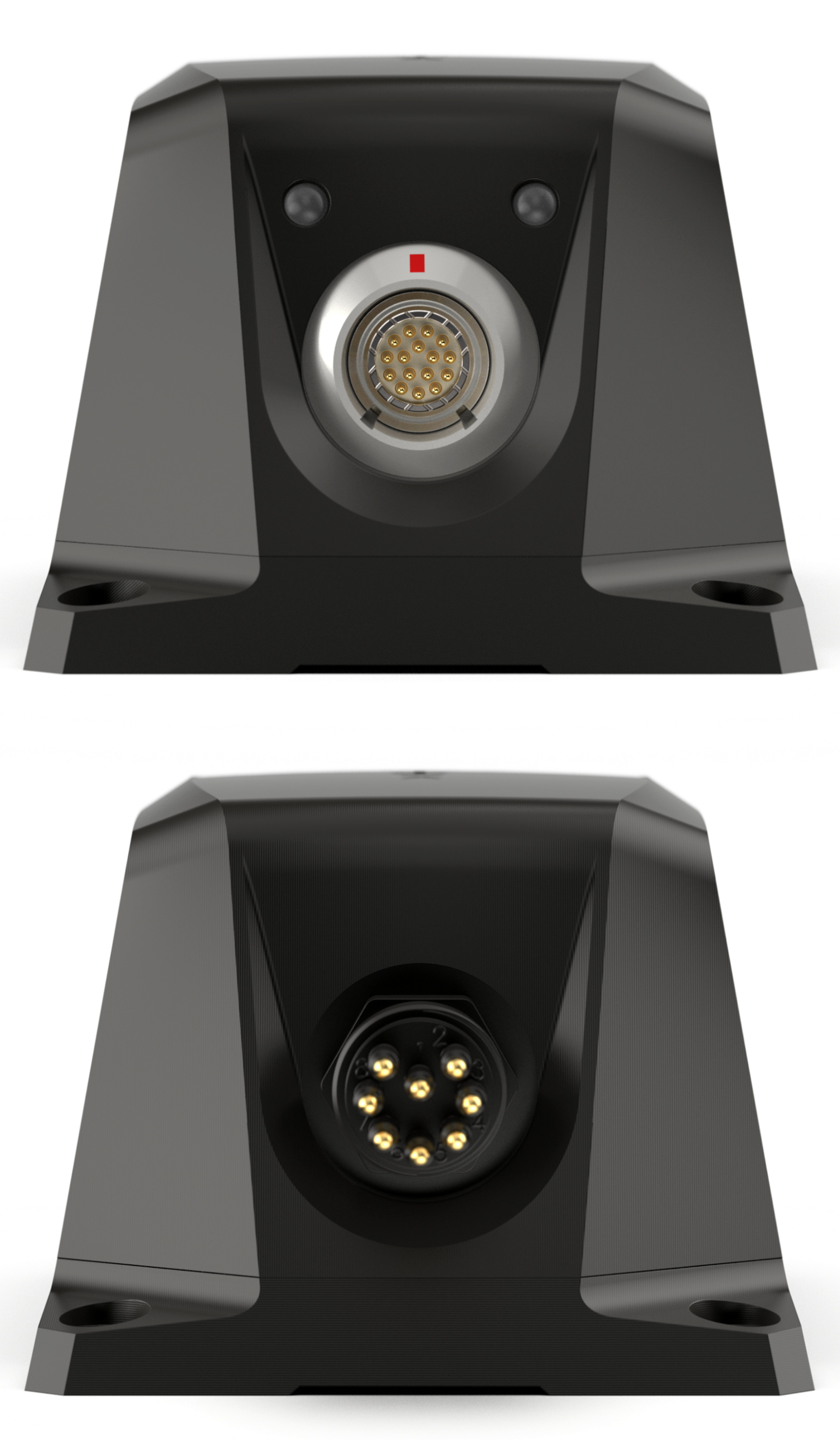
Marine: Lemo 16 pins
Marine SW: SubConn 8 pins
Marine: Ethernet, RS-232, RS-485 (422), PPS
Marine SW: Ethernet & RS-232, Ethernet & 2-wire RS-485
Marine: TCP, UDP, Modbus TCP, ethernet/IP, Serial, Modbus RTU
Marine SW: TCP, UDP, Modbus TCP, ethernet/IP
Marine SW16: TCP, UDP, Modbus TCP, ethernet/IP, Serial, Modbus RTU
0 - 100 Hz
± 15 g
6.00E-05 mg/LSB
0.1 °
0.03 % FS
2 mg
3 mg
0.2 μg
0.00012 m/s/sqrt(h)
0.7 μg/sqrt(Hz) RMS
400 Hz
6 W
9 - 36 V DC (24 V nominal)
32 GB
Custom NMEA, ASCII and Binary, and many more.
Read more
GET/SET through telnet, serial port and MRU configurator.
Read more
Sync to host PC, Sync to NTP server, Sync to PPS
Operating: -40 to +85 °C
Storage: -40 to +85 °C
IEC 60945/EN 60945
(immunity/emission)
IEC 60945/EN 60945
2000 m/s2 (half-sine 0.5 msec)
non-operational (10 ms peak)
100 000 h
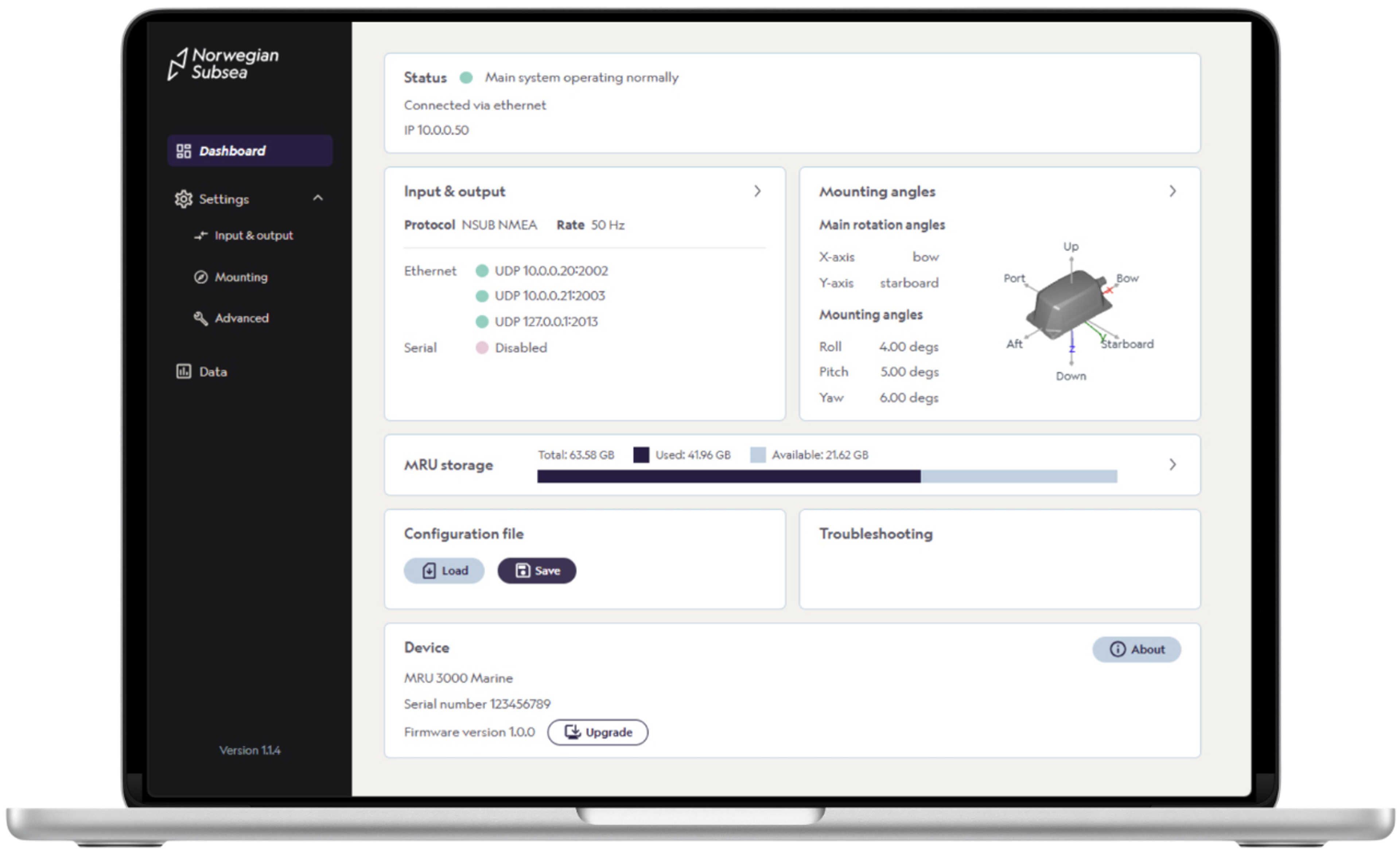
ACC Marine can be configured using Norwegian Subsea’s Configurator. Communication ports, protocols, output format and system settings can be defined from a simple user interface.
The software can also be used to monitor outputs in real time, check diagnostics and update firmware.
This makes ACC Marine suitable for both stand-alone measurement setups and integration into larger monitoring systems.
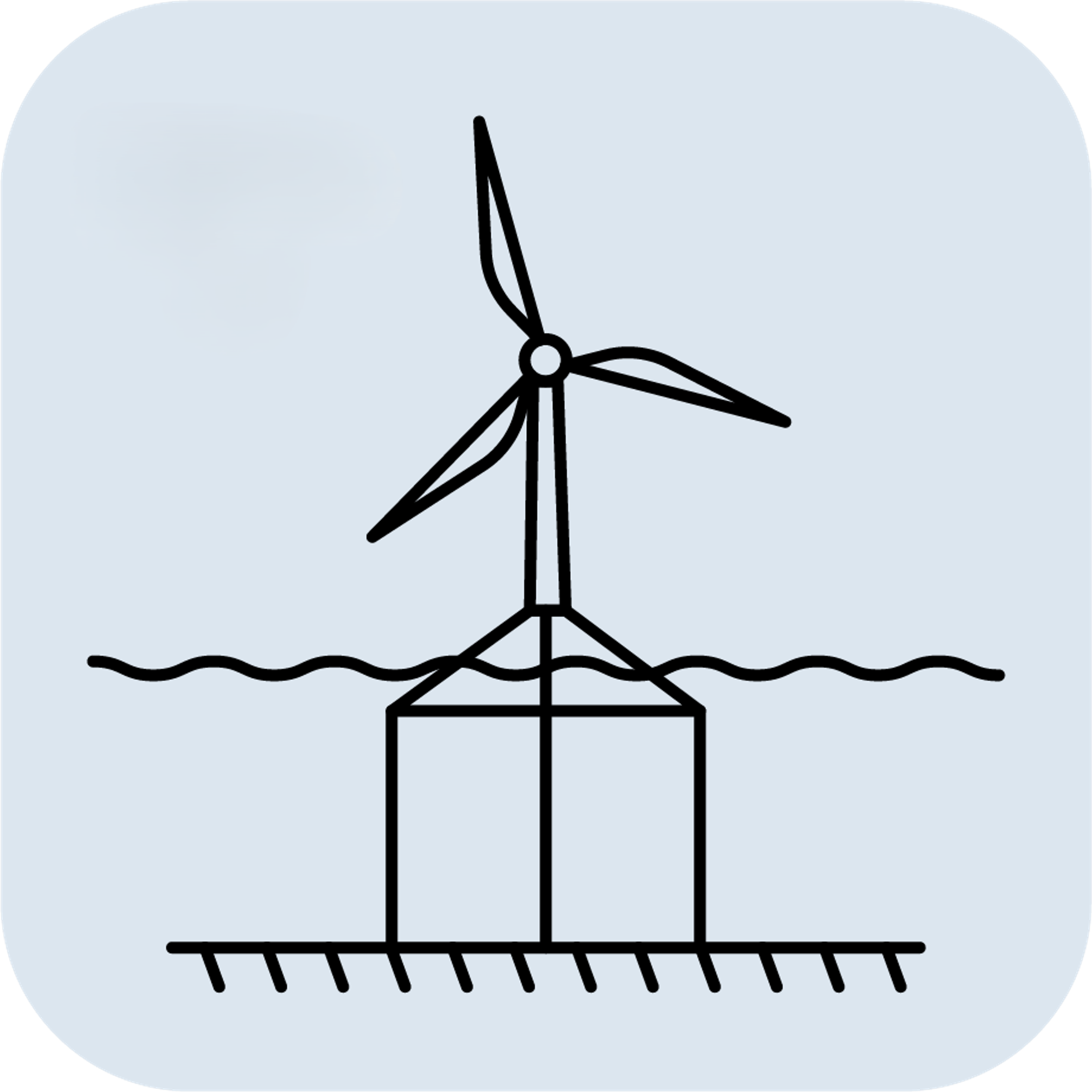
Monitoring the movements and structural integrity of floating wind foundations, including both the base and turbine, along with the anchoring system, is crucial.

Precise motion measurements are essential for vessel digitalisation, supporting fuel optimisation, route planning, cargo safety and structural health.
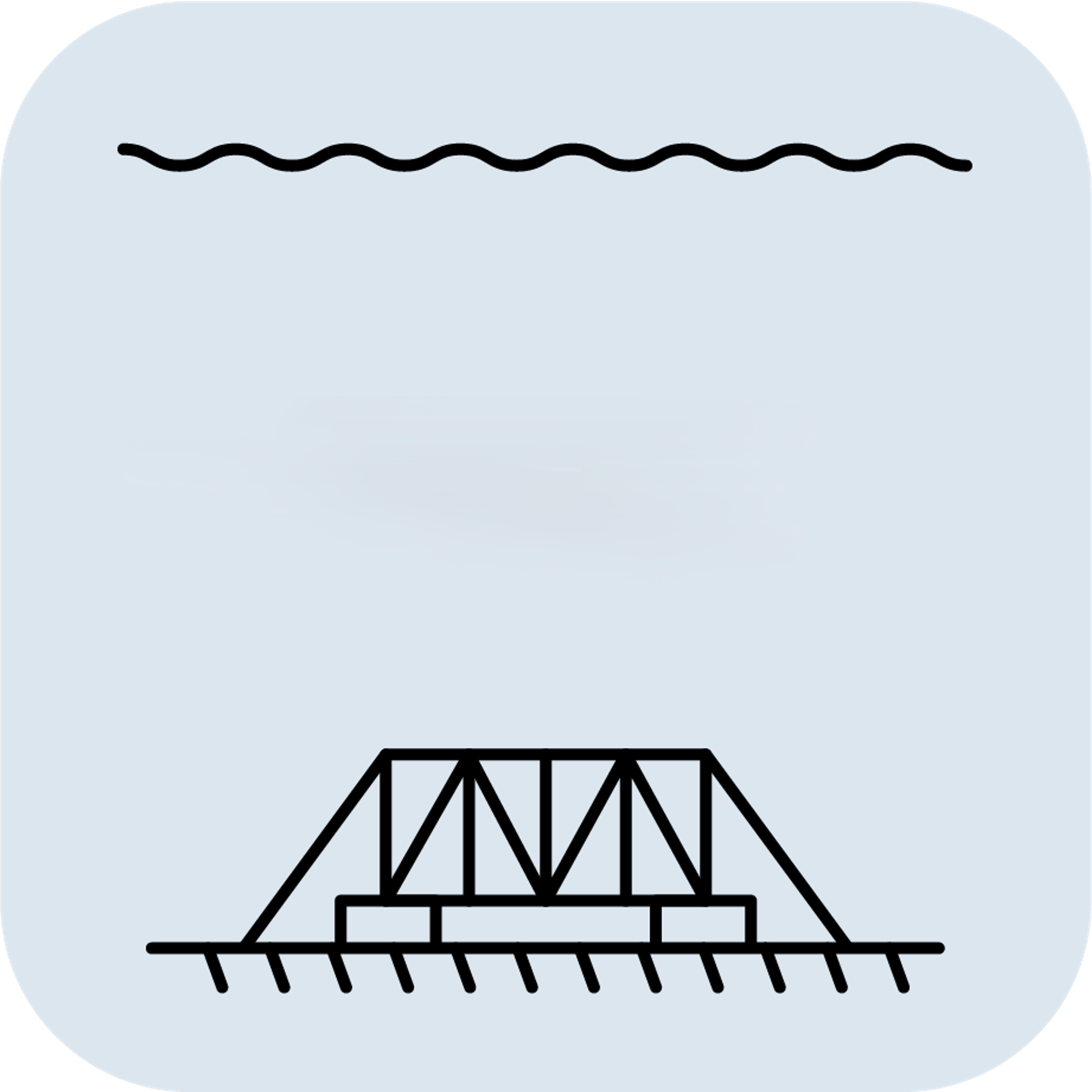
Subsea surveys often demand precise tilt measurements (roll and pitch) for various purposes, such as installation tasks or continuous monitoring of tilt changes and deflections in subsea structures.
Over 1200 Norwegian Subsea Motion Reference Units are in operation world-wide on over 600 vessels, floating and subsea structures.
Some selected customer references.
![[object Object] logo](https://cdn.sanity.io/images/awqie9xu/production/87048ddbefa668fb1cedfbe57d95c4ed80952694-300x40.webp?w=3840&q=75&fit=clip&auto=format)
![[object Object] logo](https://cdn.sanity.io/images/awqie9xu/production/034ff60887d577ea4fbed3e9d22f966a921de6ca-390x56.png?w=3840&q=75&fit=clip&auto=format)
![[object Object] logo](https://cdn.sanity.io/images/awqie9xu/production/a394745a4aedf4075114f2c35954df176cccd2bf-1245x569.webp?w=3840&q=75&fit=clip&auto=format)
![[object Object] logo](https://cdn.sanity.io/images/awqie9xu/production/a8c1028604ab448b97b2428c0ae80105b50b52fa-542x357.png?w=3840&q=75&fit=clip&auto=format)
![[object Object] logo](https://cdn.sanity.io/images/awqie9xu/production/0e5fc50b94c67cb36c257d572dc595a530afdaf1-800x600.webp?w=3840&q=75&fit=clip&auto=format)
![[object Object] logo](https://cdn.sanity.io/images/awqie9xu/production/a2ea46418098e5f991b183915d65a1efe5ced789-270x150.webp?w=3840&q=75&fit=clip&auto=format)
![[object Object] logo](https://cdn.sanity.io/images/awqie9xu/production/0bc9737334a84c62ba6d5a3e5954de8dae0465ec-300x70.webp?w=3840&q=75&fit=clip&auto=format)
![[object Object] logo](https://cdn.sanity.io/images/awqie9xu/production/bd409d5d2b60612c1f1f340e12e98d26735ef21f-1296x388.png?w=3840&q=75&fit=clip&auto=format)
![[object Object] logo](https://cdn.sanity.io/images/awqie9xu/production/aa4db096f9ad984979a2ac7a6c7da8440d8f5876-300x69.webp?w=3840&q=75&fit=clip&auto=format)
![[object Object] logo](https://cdn.sanity.io/images/awqie9xu/production/75d4b72143f835a48aea99ffa56360f8623258f9-354x91.webp?w=3840&q=75&fit=clip&auto=format)
![[object Object] logo](https://cdn.sanity.io/images/awqie9xu/production/e88b9bf4566789c7ebb2ff2ed5714a148bd306a0-948x1230.png?w=3840&q=75&fit=clip&auto=format)
![[object Object] logo](https://cdn.sanity.io/images/awqie9xu/production/0d8fb6e82e52fee6f27155f5e4e8a6604fefb391-300x80.webp?w=3840&q=75&fit=clip&auto=format)
![[object Object] logo](https://cdn.sanity.io/images/awqie9xu/production/f0a1a80c6d3ed0a697f370eb6e8185d0e1d47387-335x116.png?w=3840&q=75&fit=clip&auto=format)
![[object Object] logo](https://cdn.sanity.io/images/awqie9xu/production/ced4d21597c6aa10966a700beee785b14bd15d64-2343x892.jpg?w=3840&q=75&fit=clip&auto=format)
![[object Object] logo](https://cdn.sanity.io/images/awqie9xu/production/8796b48ed74760dc17dbc82083a5d5cb2091b7ac-5159x1981.webp?w=3840&q=75&fit=clip&auto=format)
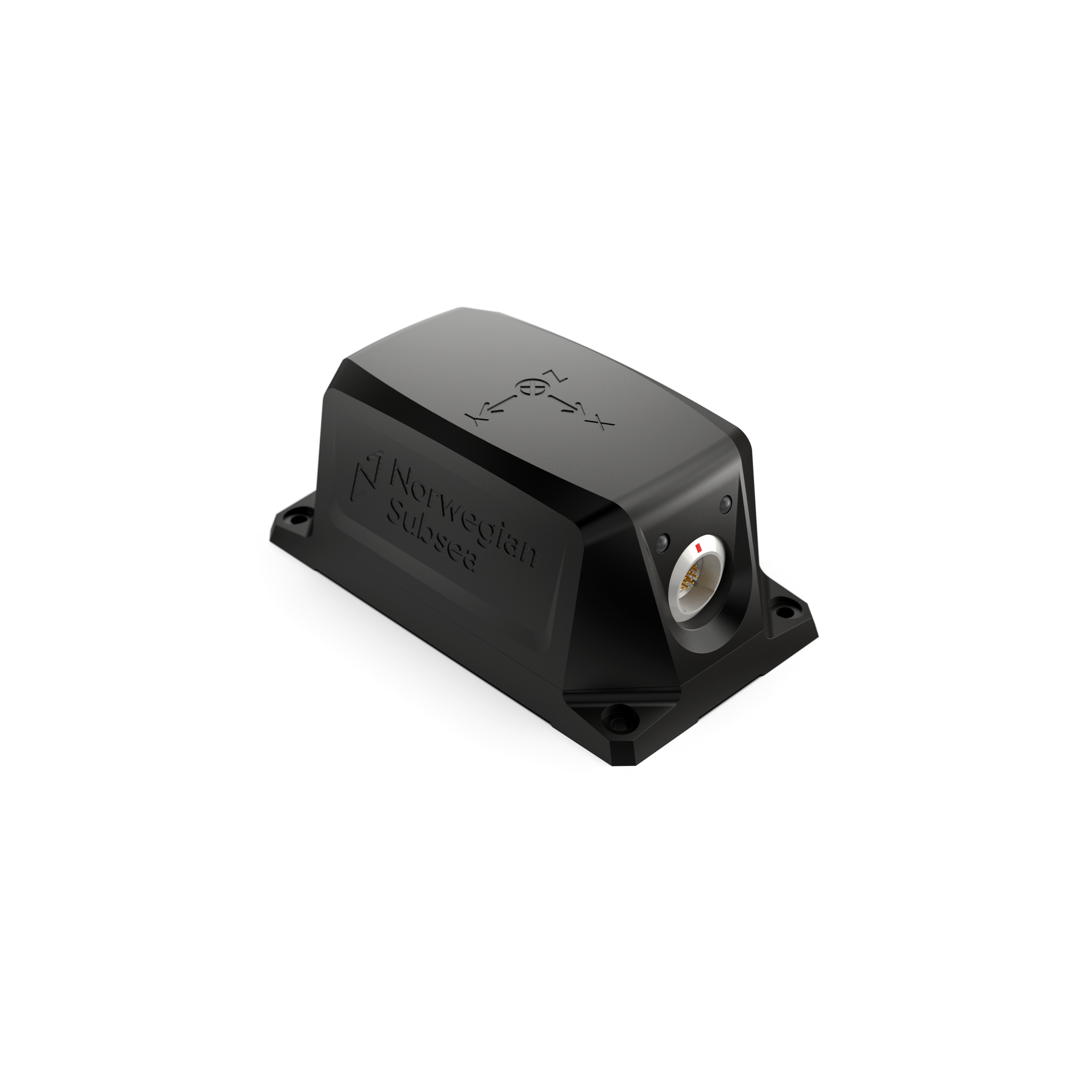
Norwegian Subsea is bringing its acclaimed Motion Reference Unit (MRU) technology to sonar-based applications with the introduction of an updated MRU lineup featuring full aiding capabilities at Ocean Business 2025 this week.
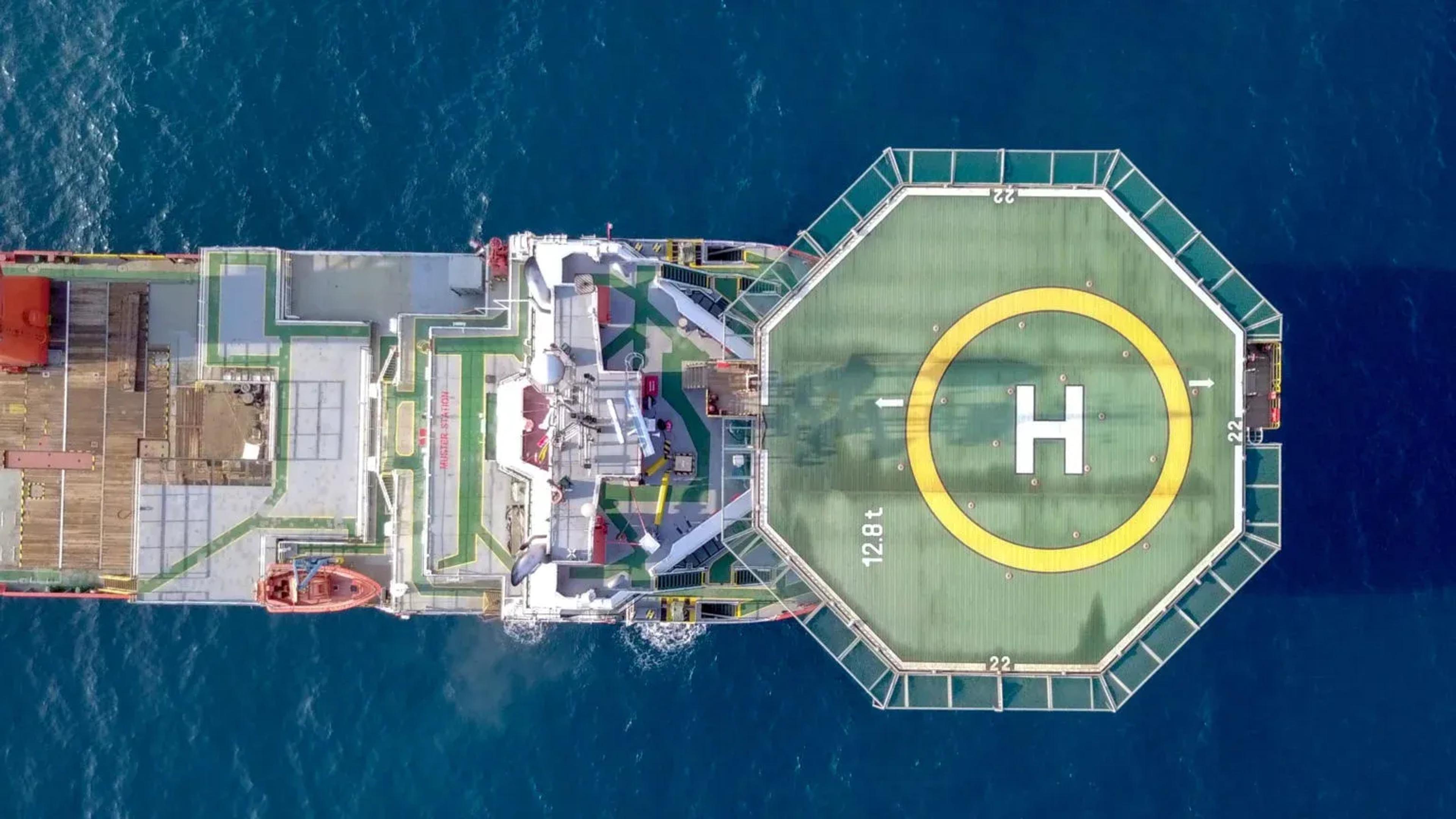
Helideck Motion Monitoring & Weather Data Systems (HMS) provide real-time motion and environmental data essential for flight planning and for pilots to remain in safe control during take off and landing from moving helidecks. The HMS depends on Motion Reference Units (MRU) installed directly on to the support structure that continuously measure the helideck’s movement. Leading HMS manufacturer ShoreConnection chooses MRUs built by Norwegian Subsea.
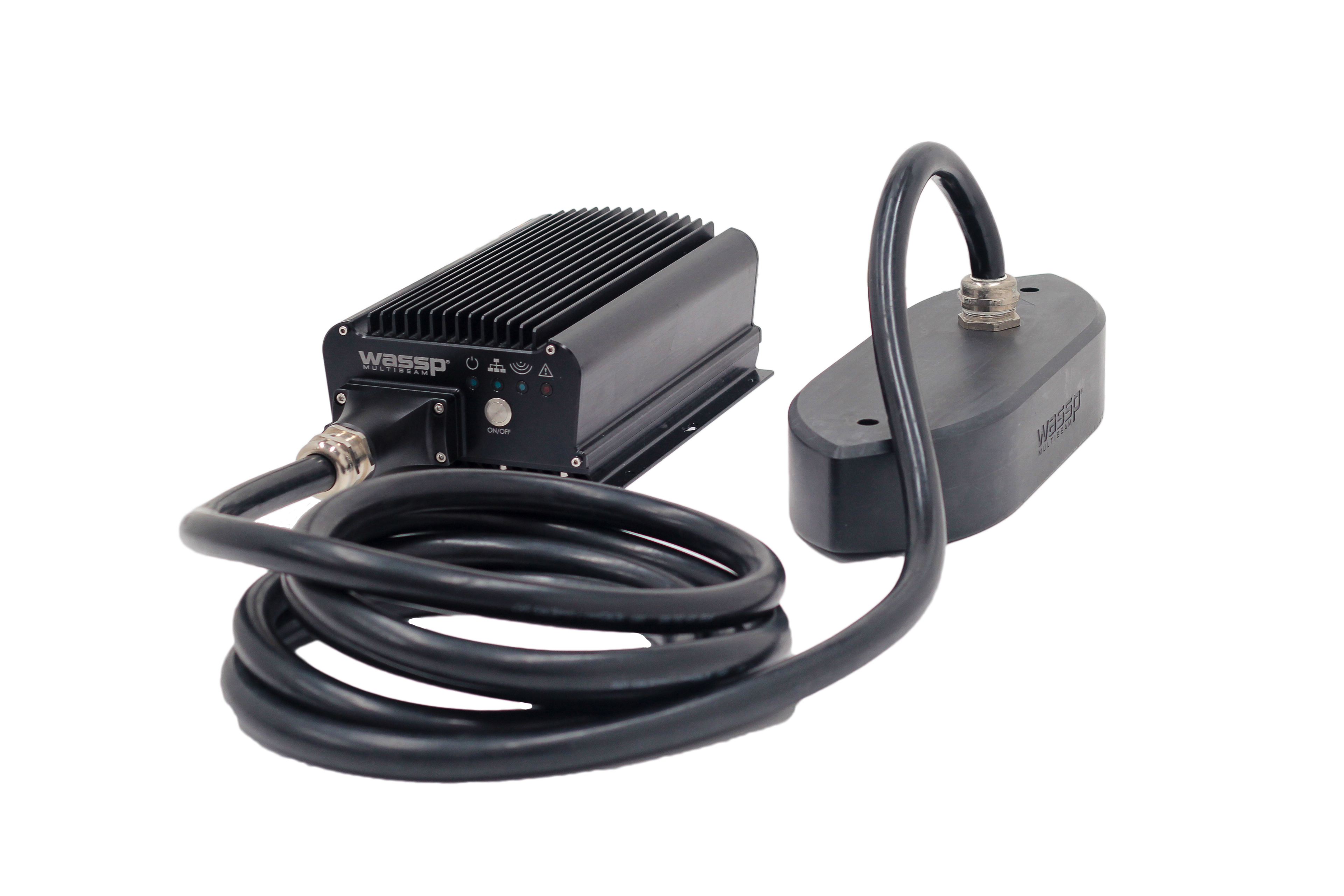
Norwegian Subsea’s Motion Reference Units (MRUs) are now available integrated with WASSP’s multibeam sonar systems, offering enhanced motion data accuracy and performance for offshore applications.