What offers are available for inertial measurement units for ships?
Norwegian Subsea offers a range of high-performance Motion Reference Units (MRUs) suitable for various shipboard applications, delivering accurate Roll, Pitch, Heave, Yaw, Surge, and Sway data essential for marine operations. Our sensors utilize advanced MEMS technology and sophisticated sensor fusion algorithms, validated in real sea conditions to ensure reliability and precision.
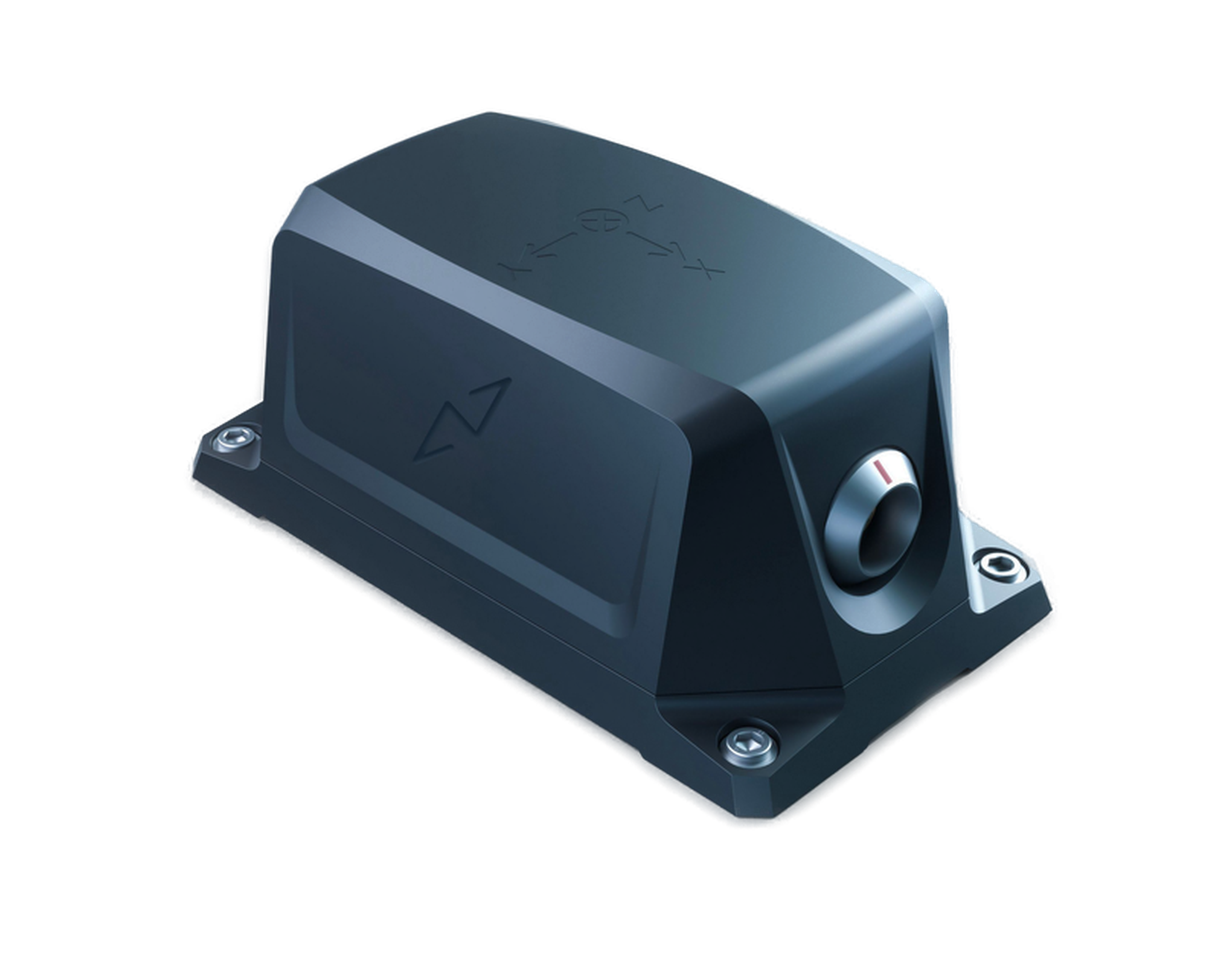
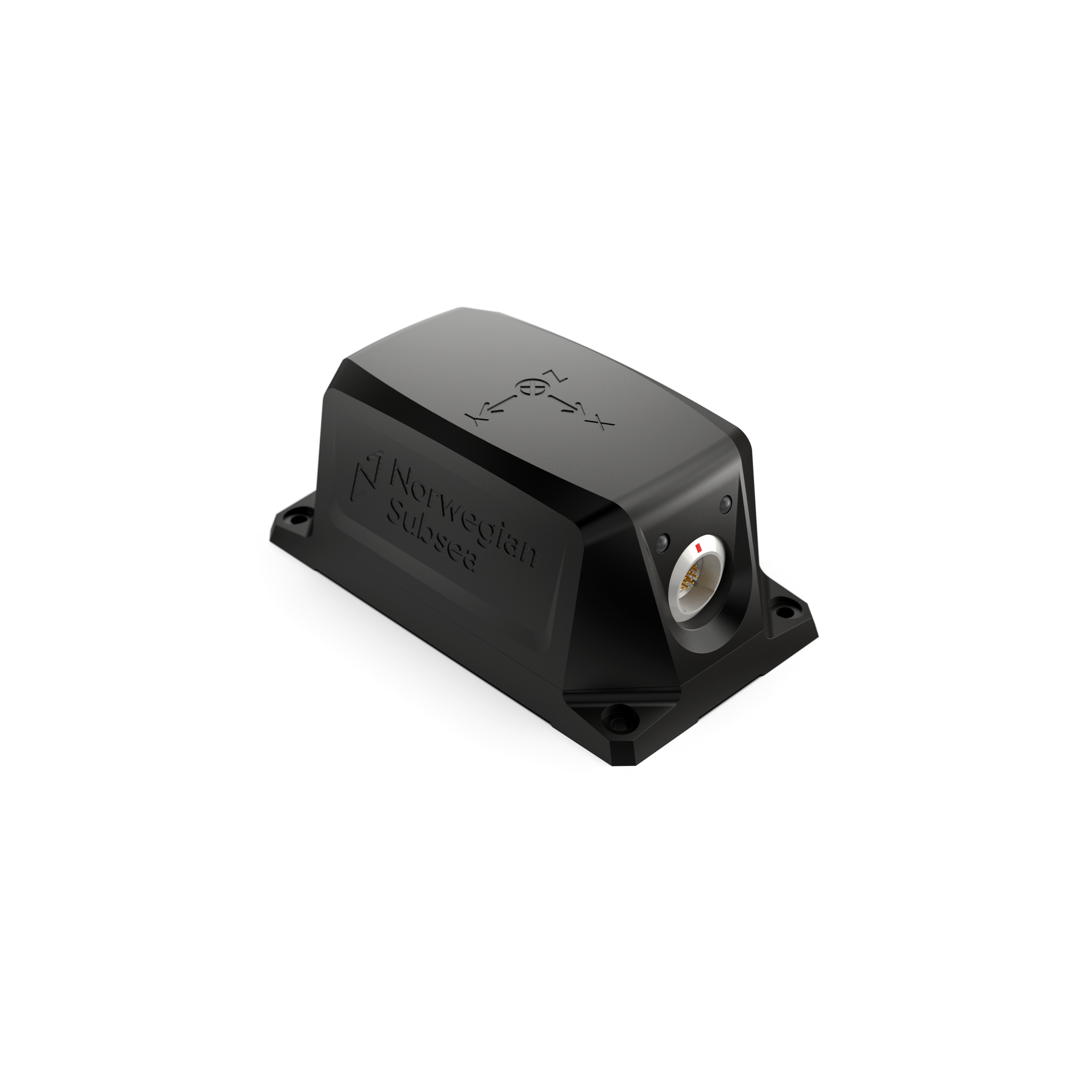
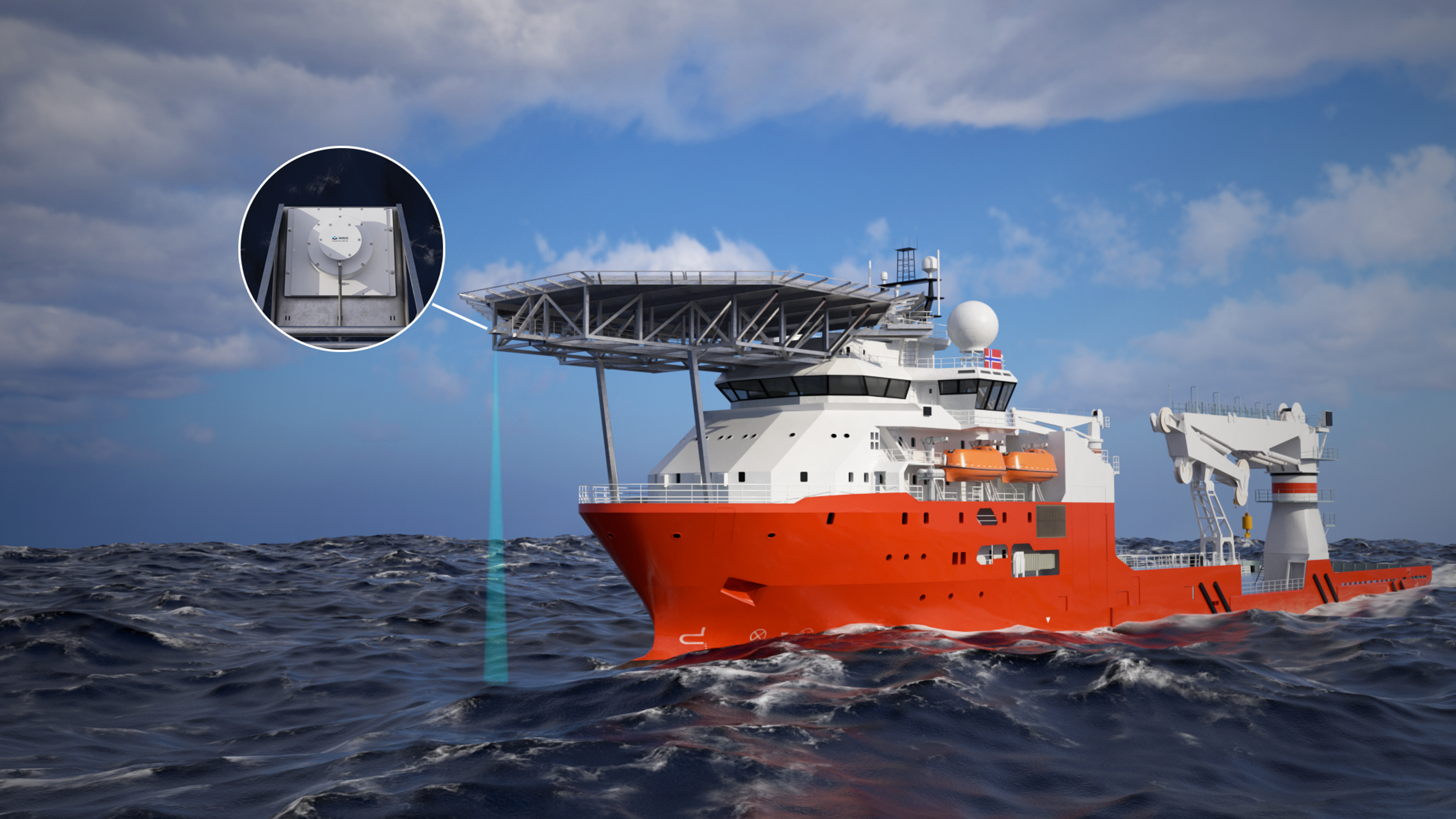
For general ship installations, including deck mounting, the **MRU Marine** is an ideal choice. It features a robust IP68-rated enclosure (with a 50m submersible option, MRU Marine SW) and offers versatile connectivity through Ethernet, RS-232, RS-485, and PPS ports via marine-grade connectors. It supports standard industry protocols like Modbus TCP/RTU and Ethernet/IP, making integration straightforward. The MRU Marine is frequently used as a cost-effective drop-in replacement for older MRUs in Dynamic Positioning (DP), Helideck Monitoring, and Active Heave Compensation (AHC) systems, often without needing recalibration.
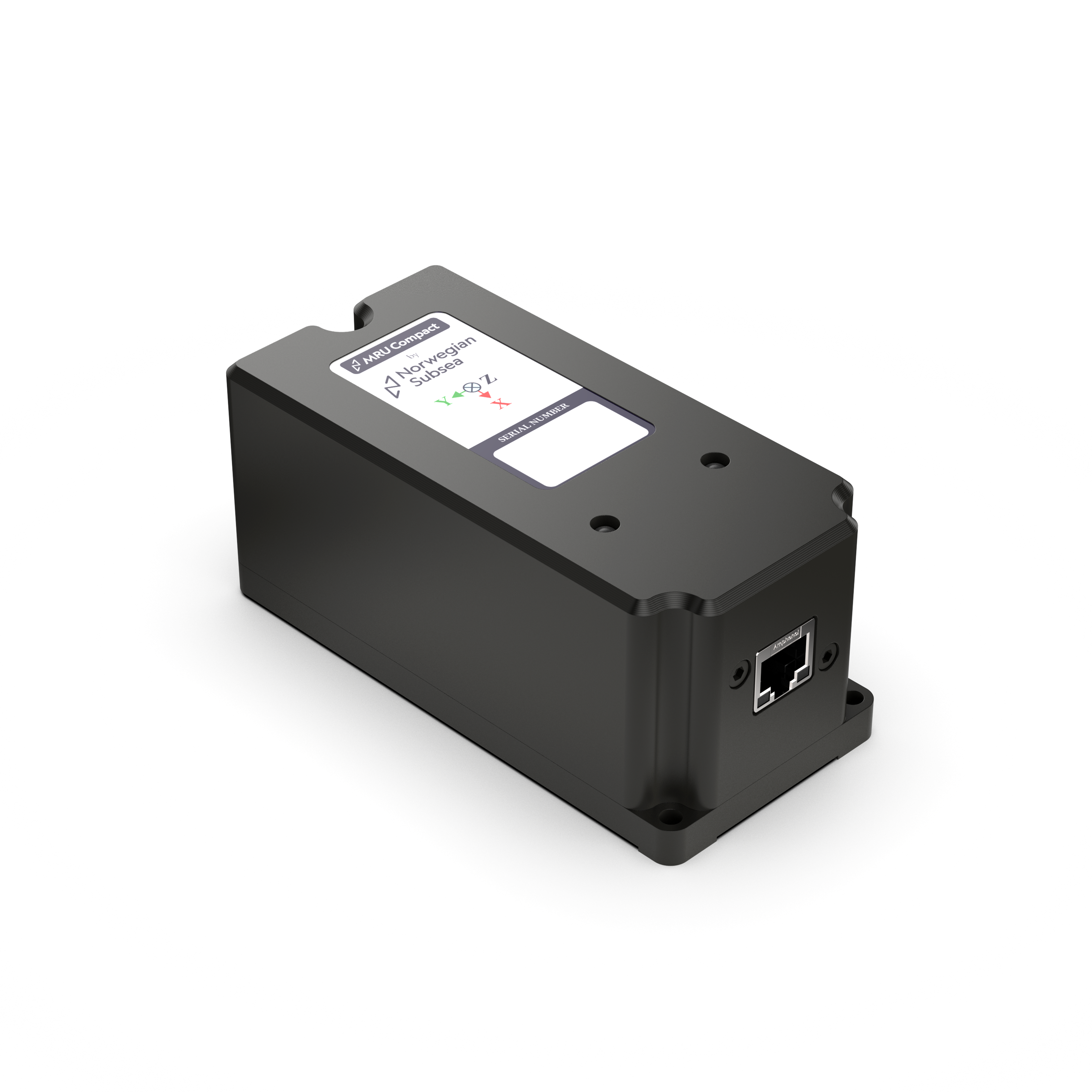
If the MRU can be installed in a protected environment, such as inside a control cabinet, the **MRU Compact** provides a highly cost-effective solution. It offers the same core performance in an IP65-rated enclosure with easy plug-and-play installation via a standard RJ45 Ethernet connector featuring passive Power over Ethernet (PoE).
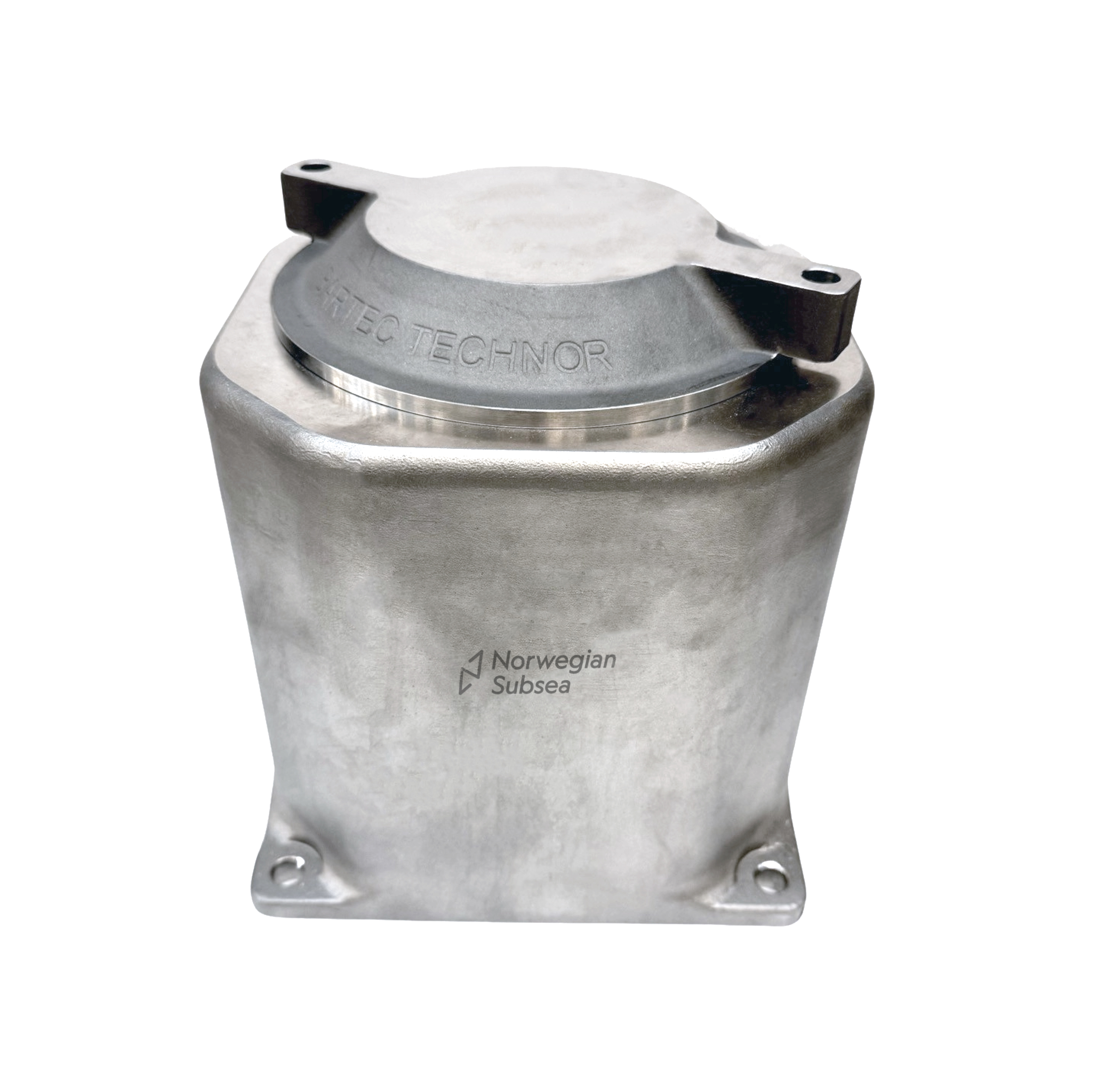
For ships operating with hazardous areas requiring Ex certification, the **MRU Ex** is available. This unit is housed in stainless steel (AISI 316L), certified to II 2 G Ex d IIC Gb, and provides Ethernet and serial connectivity via a pigtail cable.
All our MRUs are available in different accuracy classes (±0.05°, ±0.02°, ±0.01° Roll/Pitch) to meet specific performance requirements and budgets. They are designed for easy installation, can be mounted in any orientation, and are configured via a user-friendly web interface, eliminating the need for special software downloads. Their reliability often means no recalibration is required throughout their operational life, reducing long-term costs.