How do I choose subsea sensors based on industry standards?
Selecting subsea sensors requires careful consideration of relevant industry standards and project-specific requirements. Key factors typically dictated by standards include environmental resilience, material specifications, connector types, communication protocols, and performance benchmarks. Ensuring compliance is critical for operational safety, reliability, and system interoperability in demanding subsea environments.
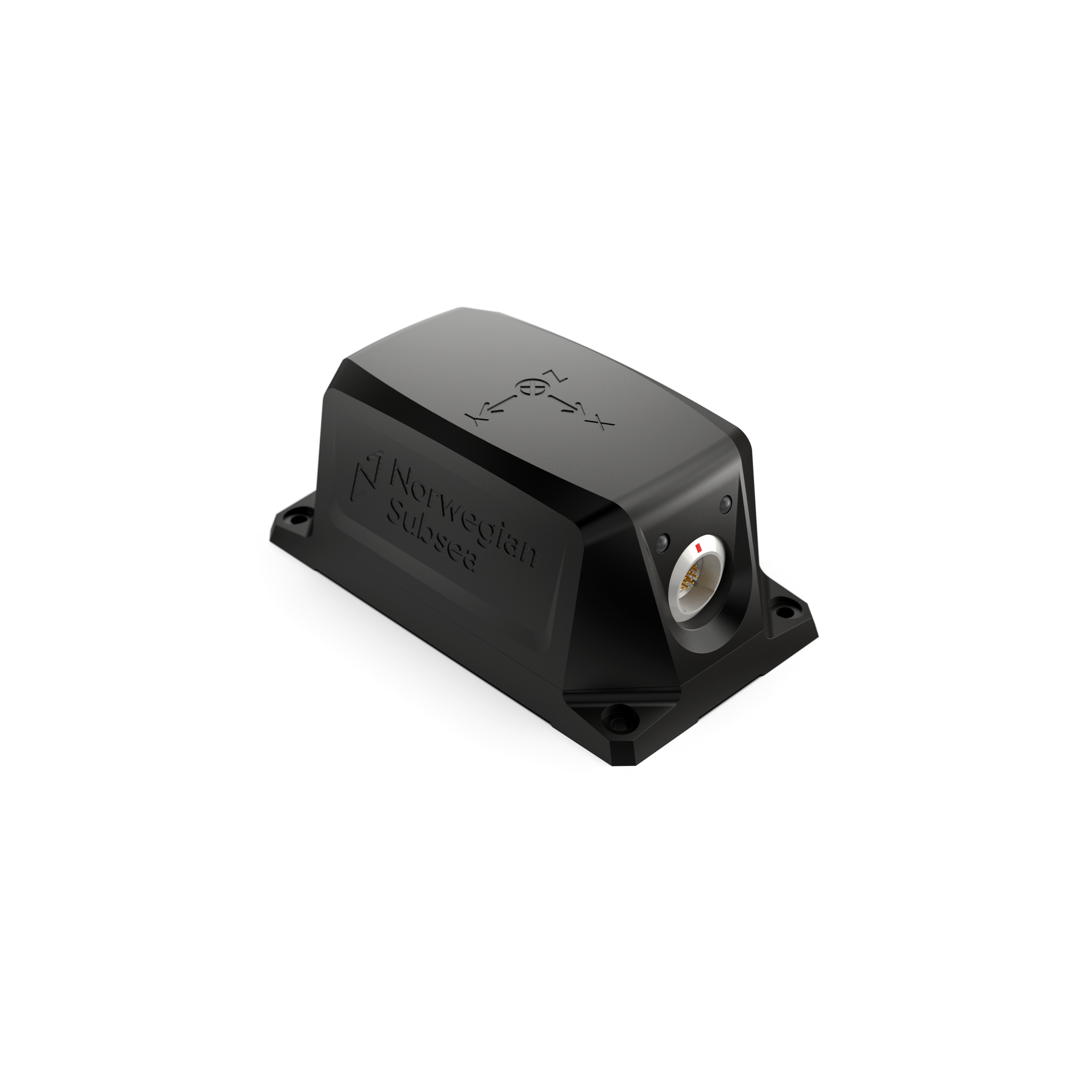
Norwegian Subsea's MRU Subsea is specifically designed to meet the rigorous demands of subsea applications, aligning with common industry expectations. It features a robust titanium housing rated for 6000 meters water depth and utilizes industry-standard Subconn wet-mateable connectors for reliable connectivity. The compact unit supports various communication protocols, including Ethernet (UDP, Modbus TCP, Ethernet/IP) and serial options (RS-232/RS-485), facilitating seamless integration with ROVs, AUVs, survey equipment, and monitoring systems.
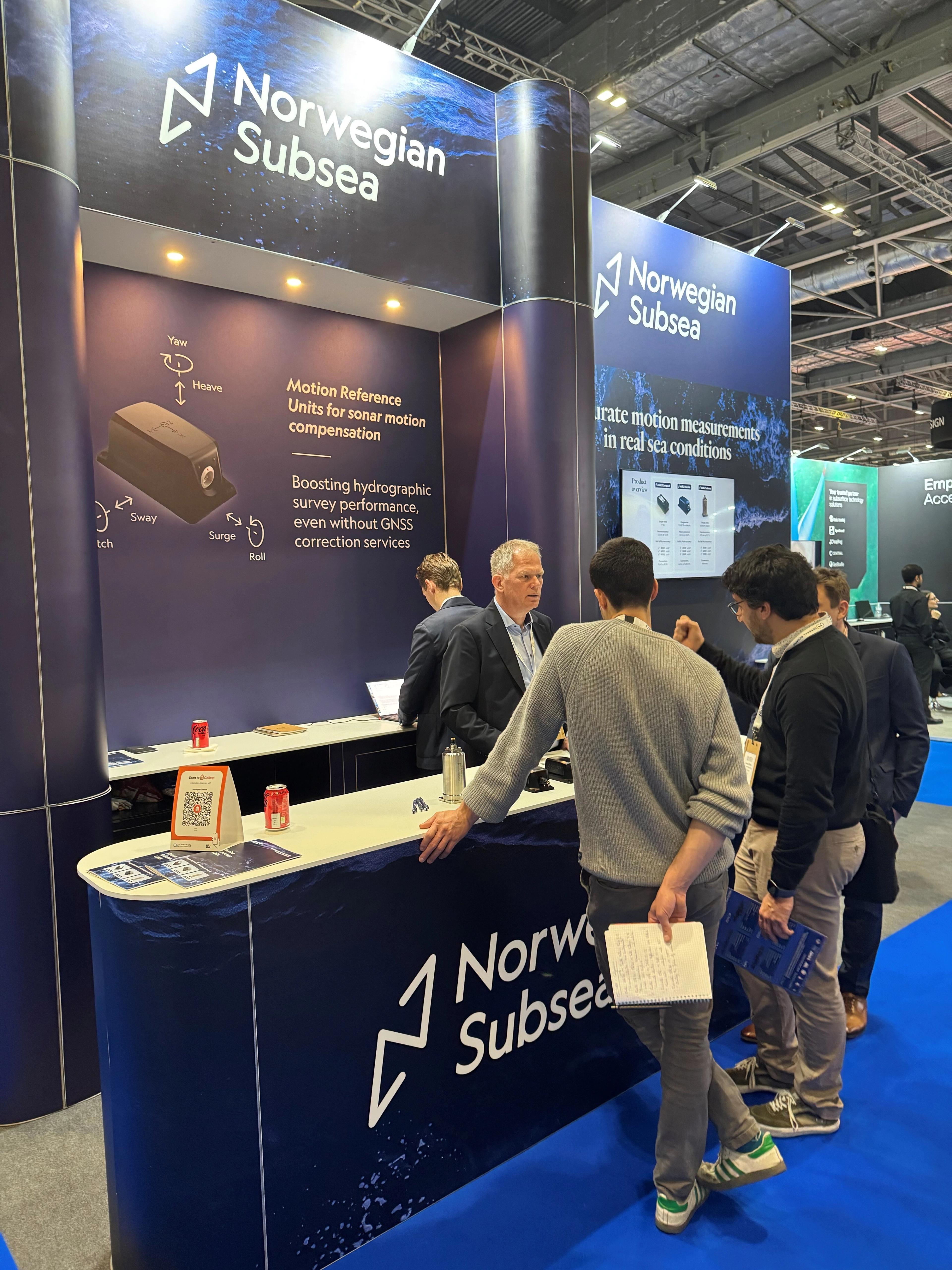
Our MRU Subsea delivers high-accuracy motion data (Roll, Pitch, Heave, Yaw, Surge, Sway) with performance levels available up to ±0.01° for Roll & Pitch (Series 9000). For applications requiring only orientation data, a cost-effective Inclinometer/VRU version is also available, providing the same high Roll & Pitch accuracy. All our sensors are designed for easy installation, can be mounted in any orientation, and come with user-friendly configuration software accessible via a web browser.