How does real-time motion damping with Vertical Reference Unit work?
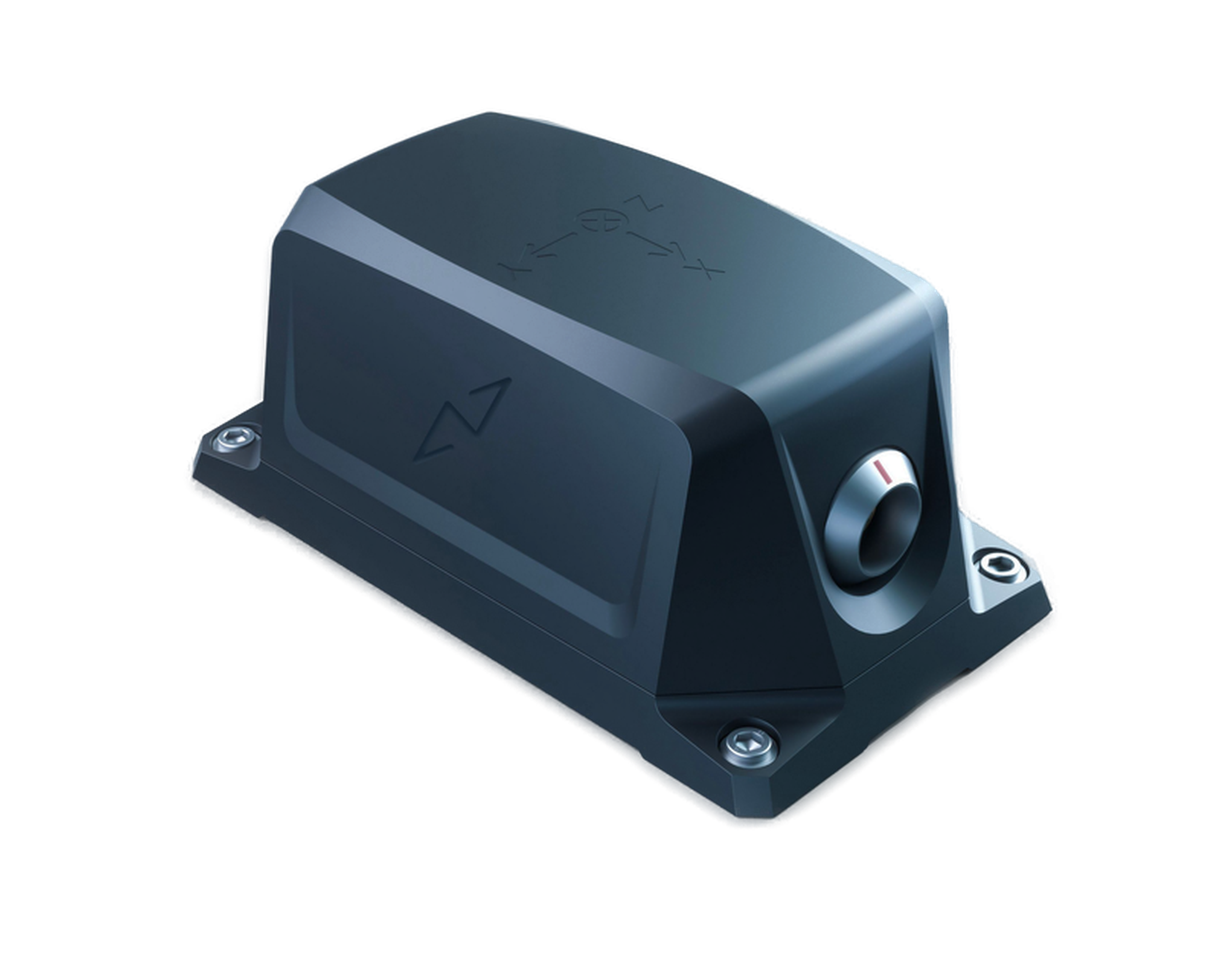
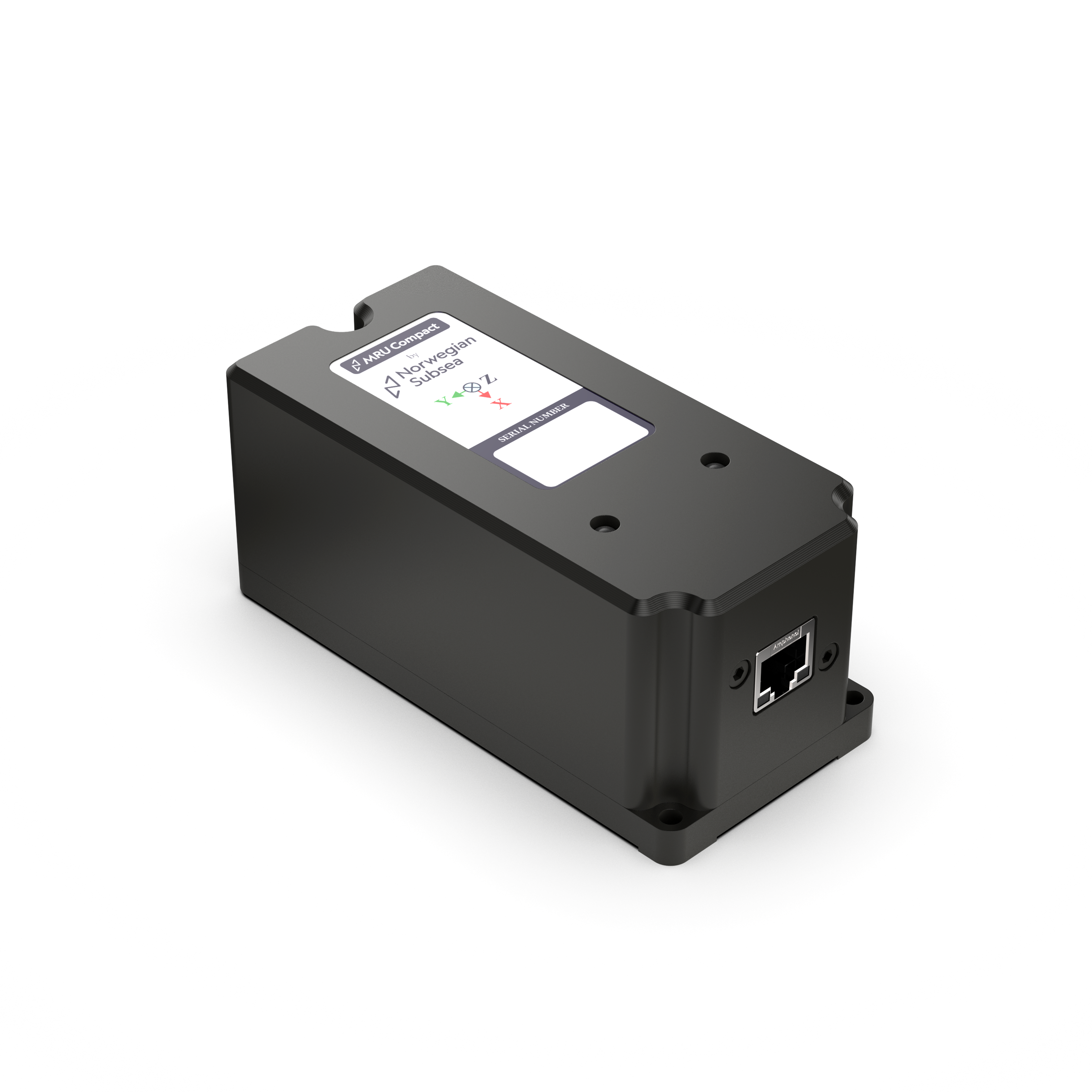
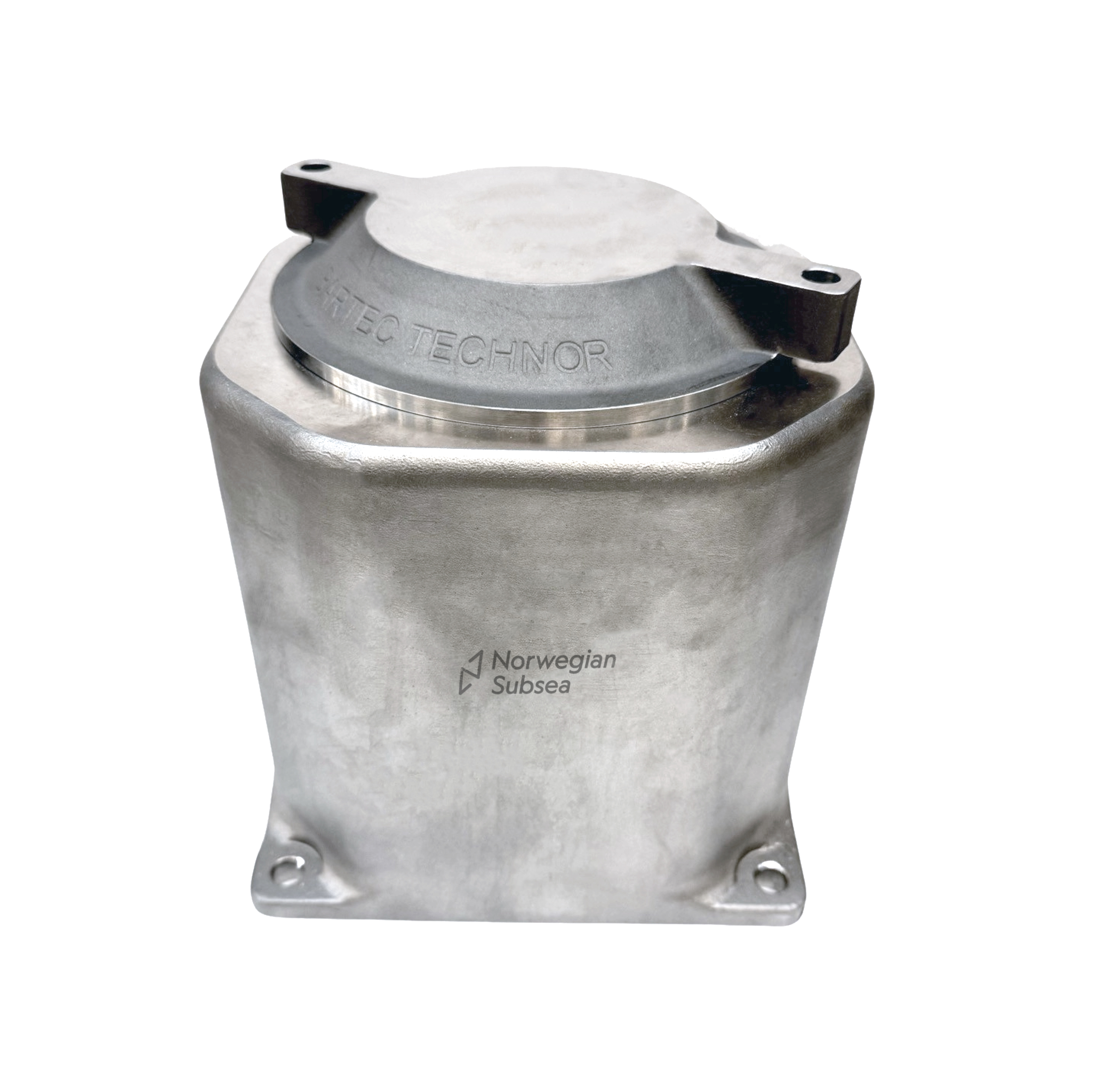
Real-time motion damping systems rely on precise motion measurements to counteract unwanted movements caused by wave action, ensuring stability and operational safety for vessels and platforms. The core component providing these critical measurements is a Motion Reference Unit (MRU).
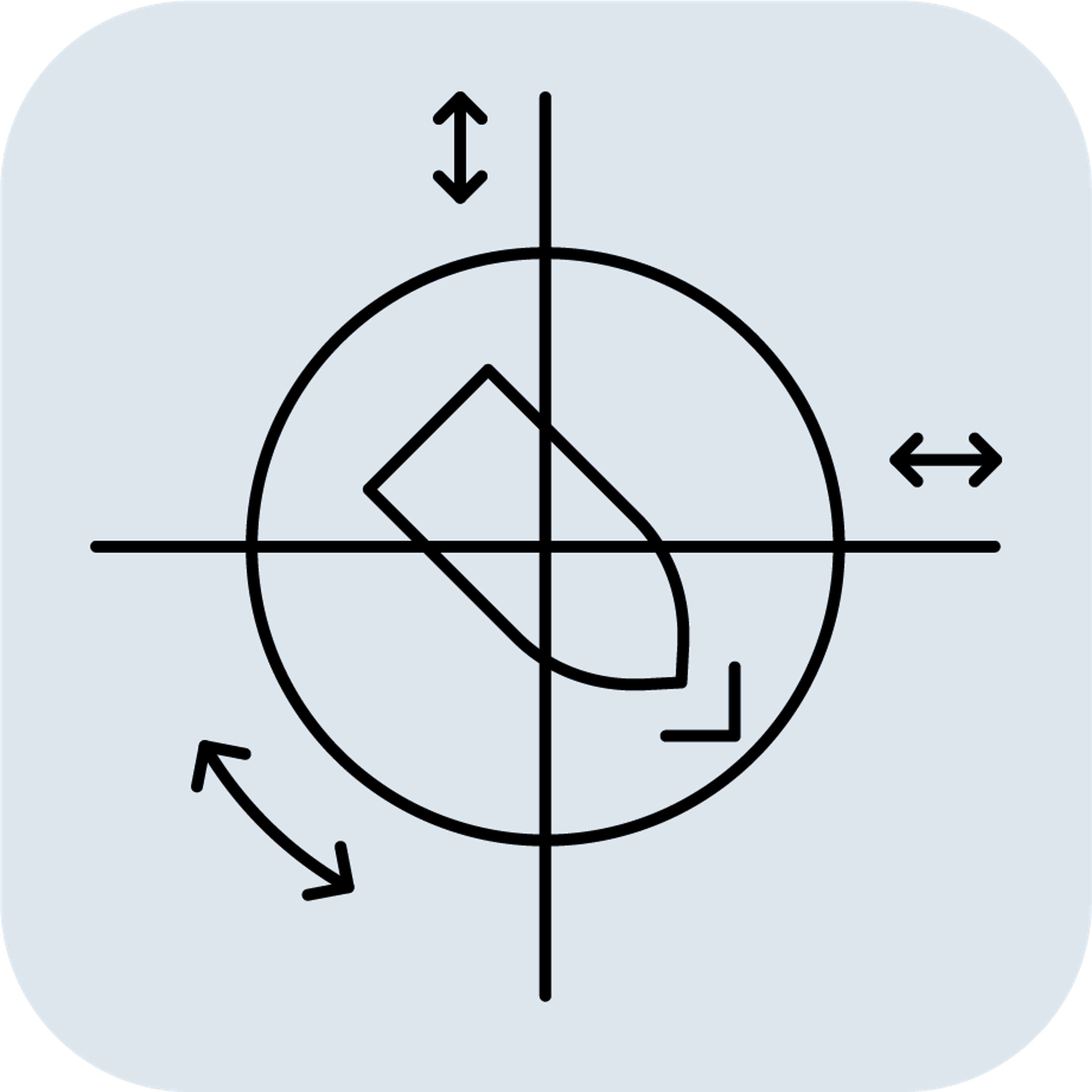
Norwegian Subsea MRUs utilize advanced MEMS sensors and sophisticated sensor fusion algorithms to accurately measure the vessel's or equipment's motion in all six degrees of freedom (Roll, Pitch, Heave, Yaw, Surge, Sway) in real-time. This high-fidelity motion data is essential for the damping system.
Our MRUs transmit this precise motion data with very low latency via robust communication protocols (such as Ethernet UDP, Modbus TCP, or serial) to the damping system's central control unit. The control system processes this incoming data instantly.
Based on the real-time motion data received from the Norwegian Subsea MRU, the control system calculates the precise counter-movements required to negate the wave-induced motion. This calculation determines the necessary force and direction for the system's actuators.
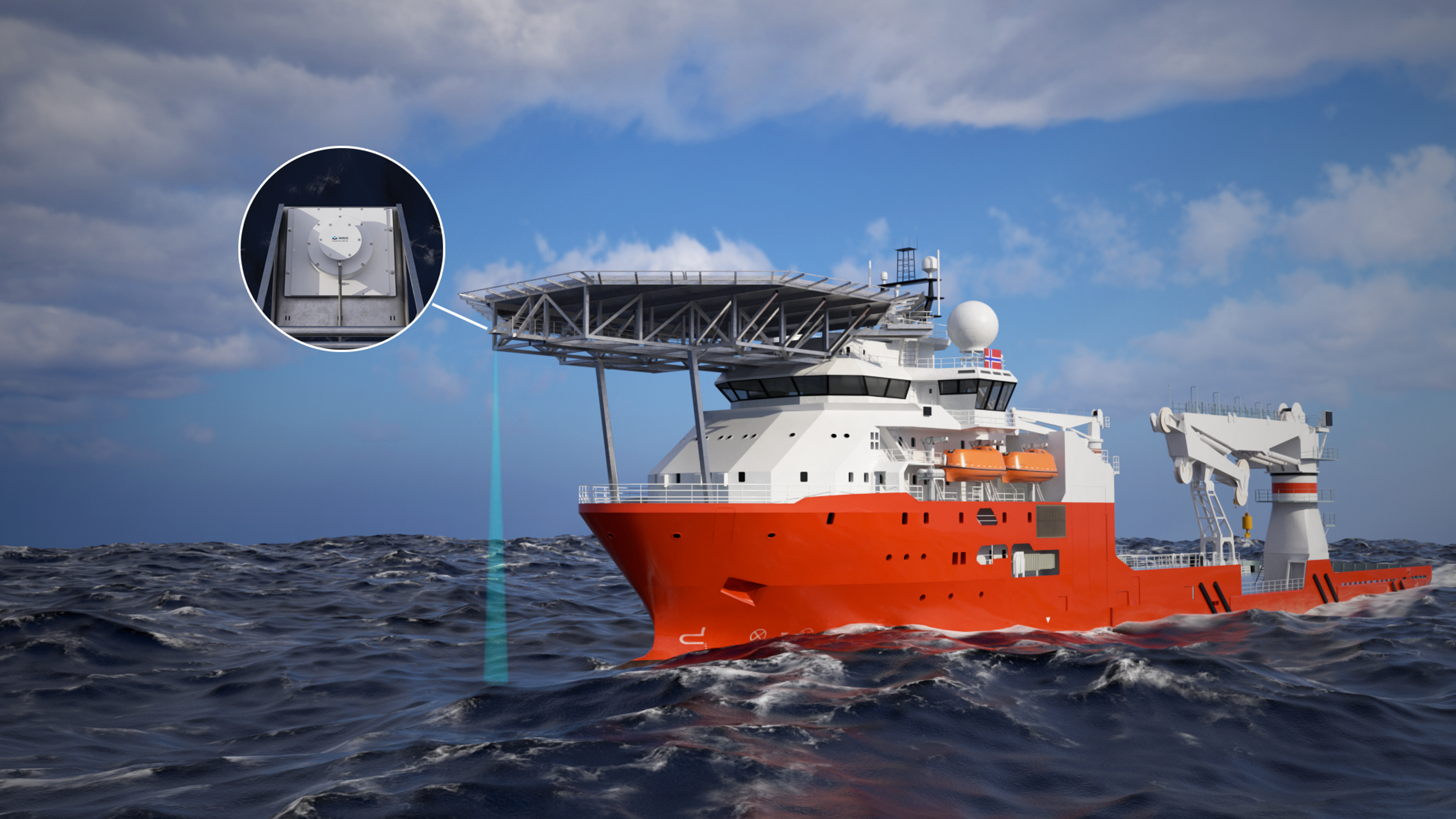
Finally, the actuators—which could be hydraulic systems for Active Heave Compensation (AHC) winches, stabilizing fins, thrusters in a Dynamic Positioning (DP) system, or mechanisms in a motion-compensated gangway—execute the commands from the control unit. This action effectively dampens the motion, stabilizing the platform, load, or access system.
The high accuracy, reliability, and rapid data output of Norwegian Subsea MRUs are crucial for the effectiveness of these real-time damping systems. Our sensors are rigorously tested and proven in demanding marine environments, ensuring dependable performance for critical applications like AHC, DP, and stabilization systems.