How are motion sensors used in offshore wind turbines?
Motion Reference Units (MRUs) are essential components in offshore wind turbines, providing precise measurements of the structure's motion across all six degrees of freedom (Roll, Pitch, Heave, Yaw, Surge, Sway). Norwegian Subsea MRUs utilize advanced MEMS sensors and sensor fusion algorithms to deliver high-accuracy motion data, crucial for operations in the demanding offshore environment.
This motion data serves two primary purposes. Firstly, it is vital for Structural Health Monitoring (SHM). By continuously tracking the turbine's movements and vibrations, operators can detect potential structural fatigue, assess integrity, ensure safety, and optimize maintenance schedules. Secondly, particularly for floating offshore wind turbines, accurate motion data from the nacelle and platform base is fed into the turbine's control system. This allows for adjustments to blade pitch and nacelle yaw to maximize energy generation efficiency and stability despite wave and wind-induced motion.
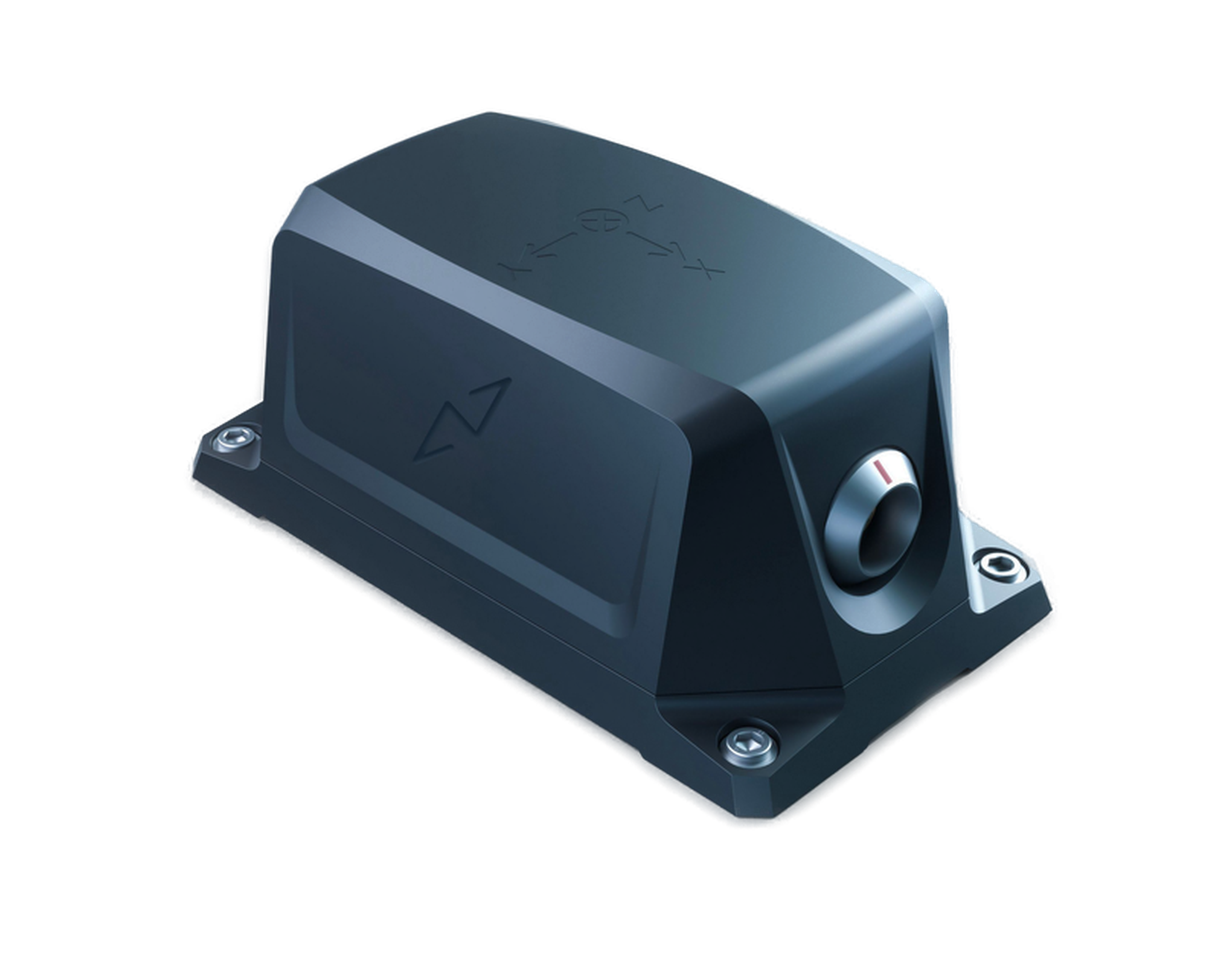
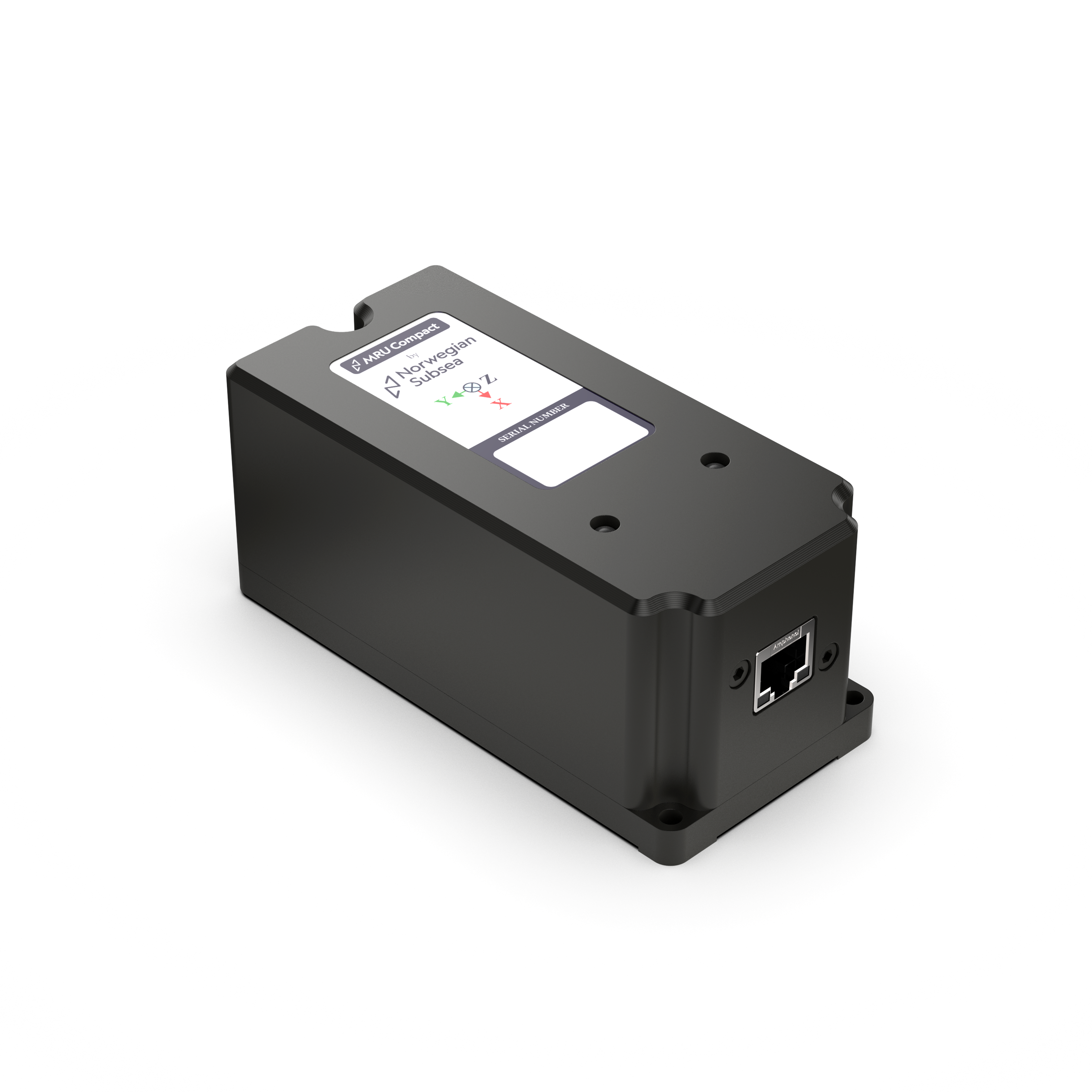
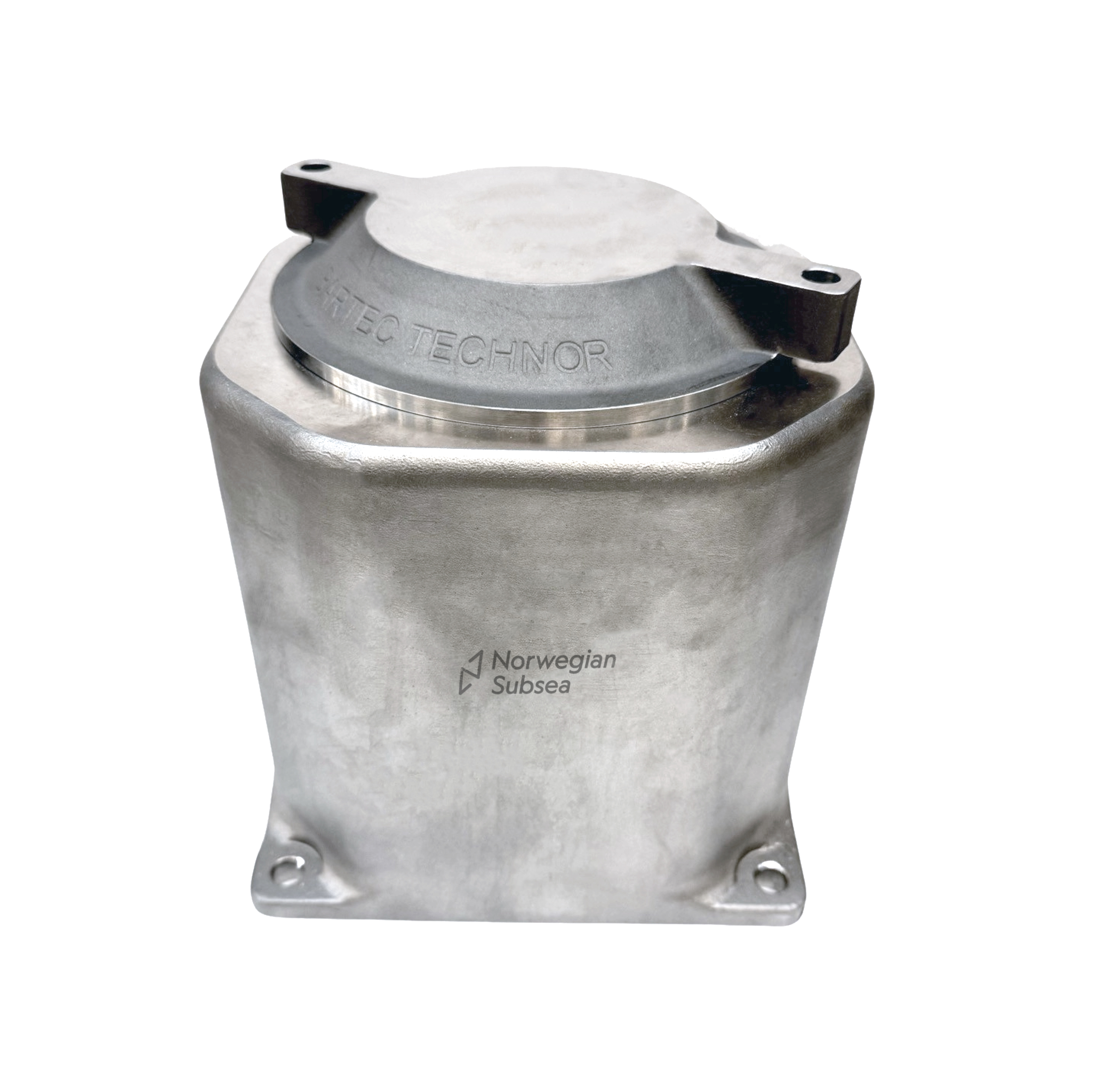
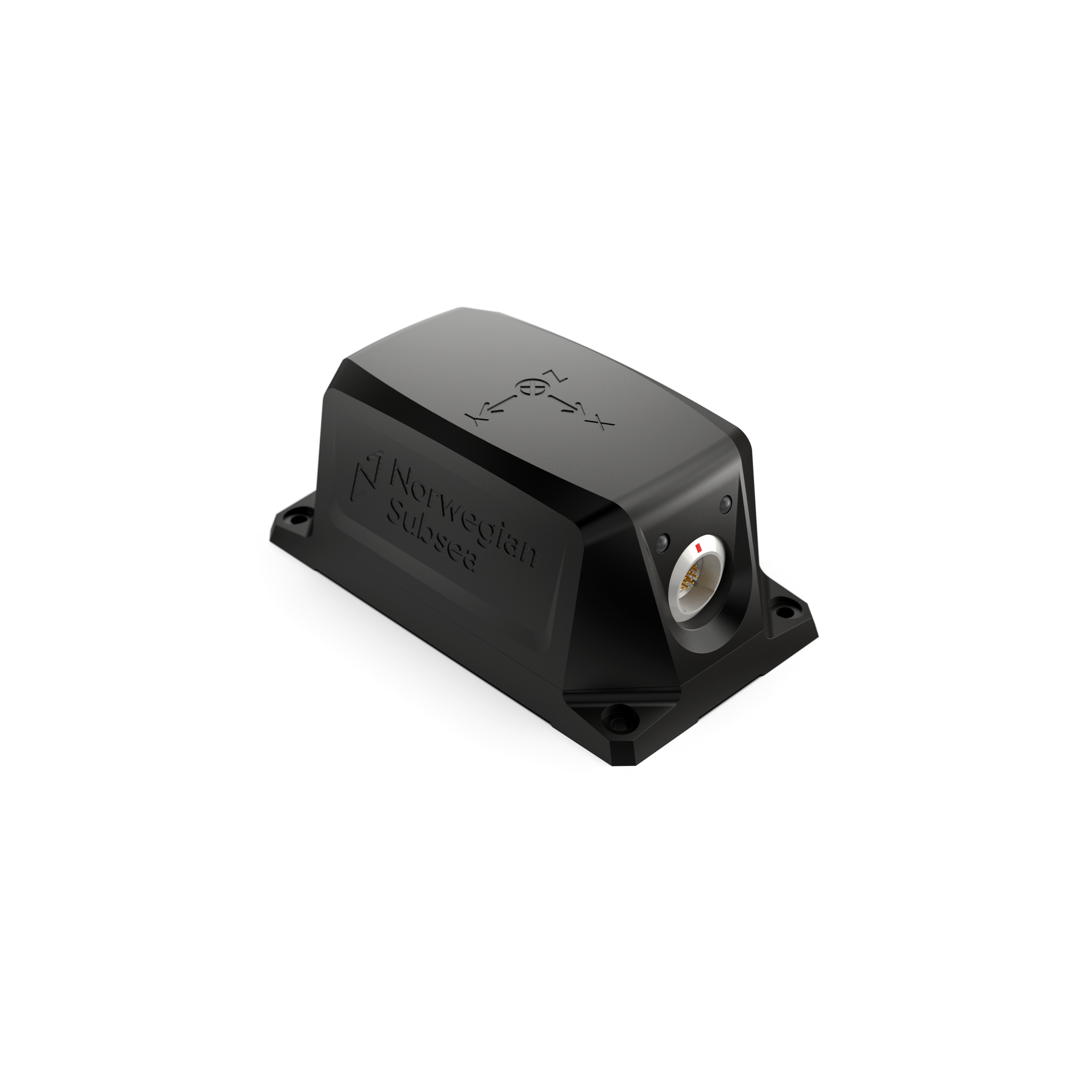
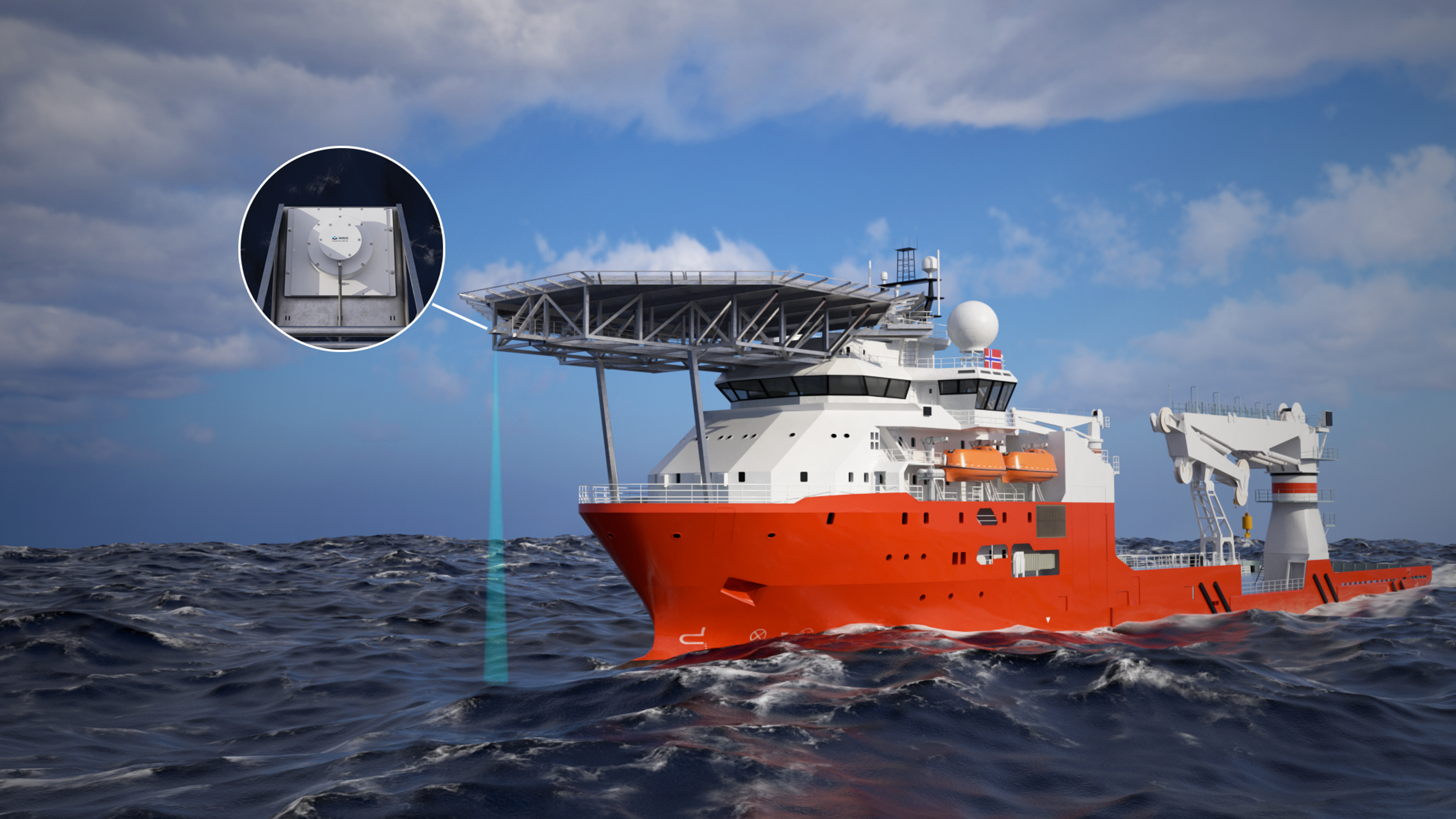
Norwegian Subsea offers a range of robust and reliable MRUs suitable for these applications. The MRU Marine (IP68) is ideal for installation on exposed parts of the structure, while the MRU Compact (IP65) can be integrated within control cabinets or the nacelle. For monitoring subsea foundations or cables, the MRU Subsea, with its 6000m-rated titanium housing, provides a durable solution. Our MRUs are designed for easy integration, supporting various communication protocols (Ethernet, Modbus TCP, etc.) and often require no recalibration, ensuring long-term, cost-effective performance.