Commercial fishing vessels, trawlers, purse seiners, and longliners, operate in some of the most demanding sea conditions encountered by any working vessel. They depend on accurate sonar data to locate fish and read the seabed, yet the motion sensor feeding that sonar is often the weakest link in an otherwise high-end system, limiting performance in exactly the conditions where it matters most.

Fishery operators typically invest heavily in their sonar package, multibeam fish finders, bottom discrimination sonars, and omni-directional search sonars, but have historically had less focus on the motion sensor feeding these systems. The result is a classic "garbage in, garbage out" problem: sophisticated sonar technology that systematically underperforms in heavy weather, precisely when the ability to locate fish accurately is most commercially valuable.
Fishing vessels also operate routinely in exposed offshore areas far from RTK coverage, in the sea states where vessel motion is greatest and compensation most important. Norwegian Subsea MRUs work independently of RTK and GNSS correction signals, making them equally effective in the Norwegian Sea, the North Atlantic, and the Southern Ocean as in coastal waters. Their ready-calibrated, maintenance-free design also suits the operational reality of fishing vessels, where technical downtime carries a direct commercial cost.
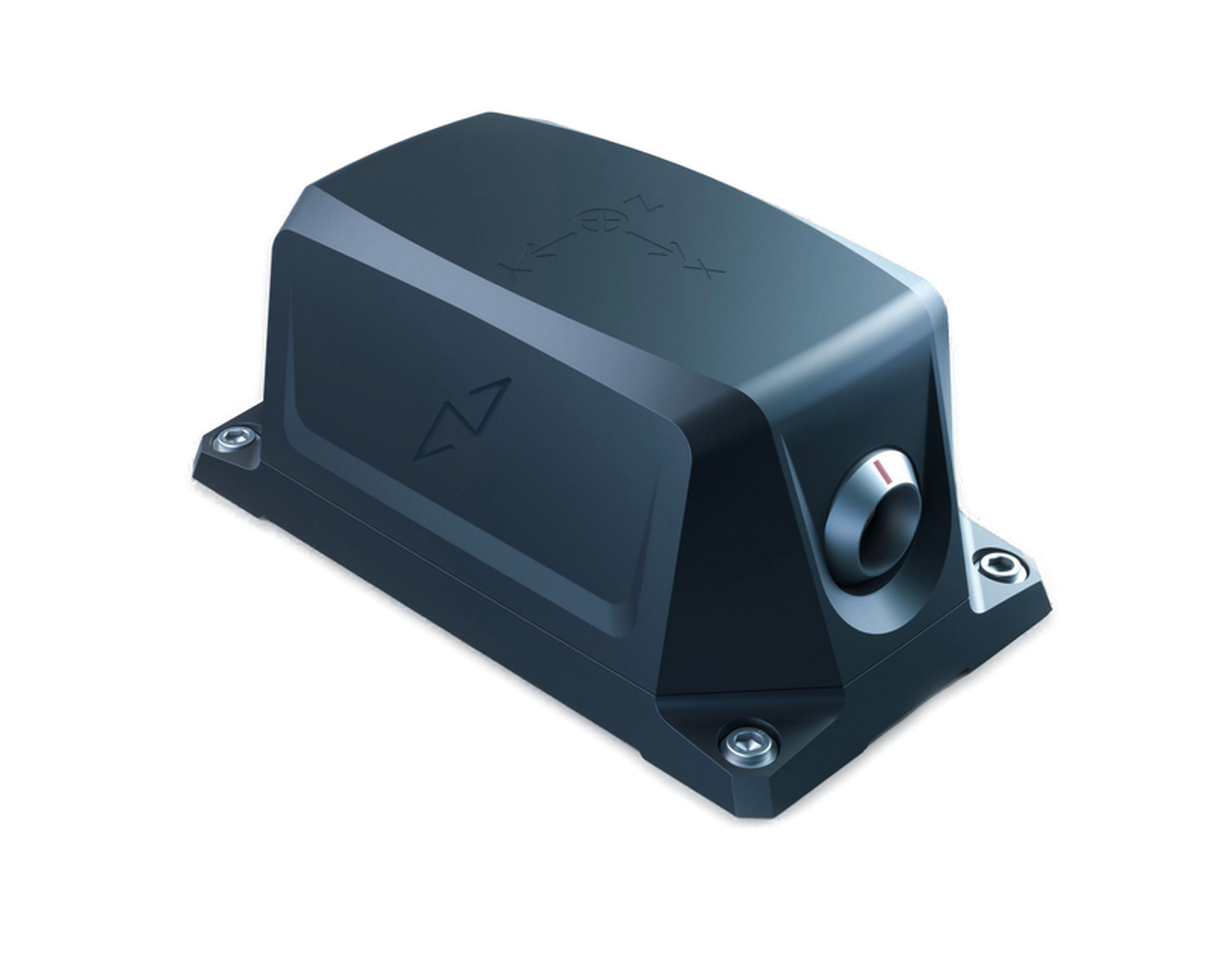
Norwegian Subsea MRUs deliver accurate, real-time motion data independently of RTK or GNSS correction, making them effective in the most exposed offshore fishing grounds. Compact, ready-calibrated, and maintenance-free, they are a cost-effective upgrade that unlocks the full potential of any omni-directional sonar system.


50 m depth, IP 68
5 cm or 5.0%
Lemo or SubConn 8 or SubConn 16

6000 m depth
5 cm or 5.0%
SubConn 8

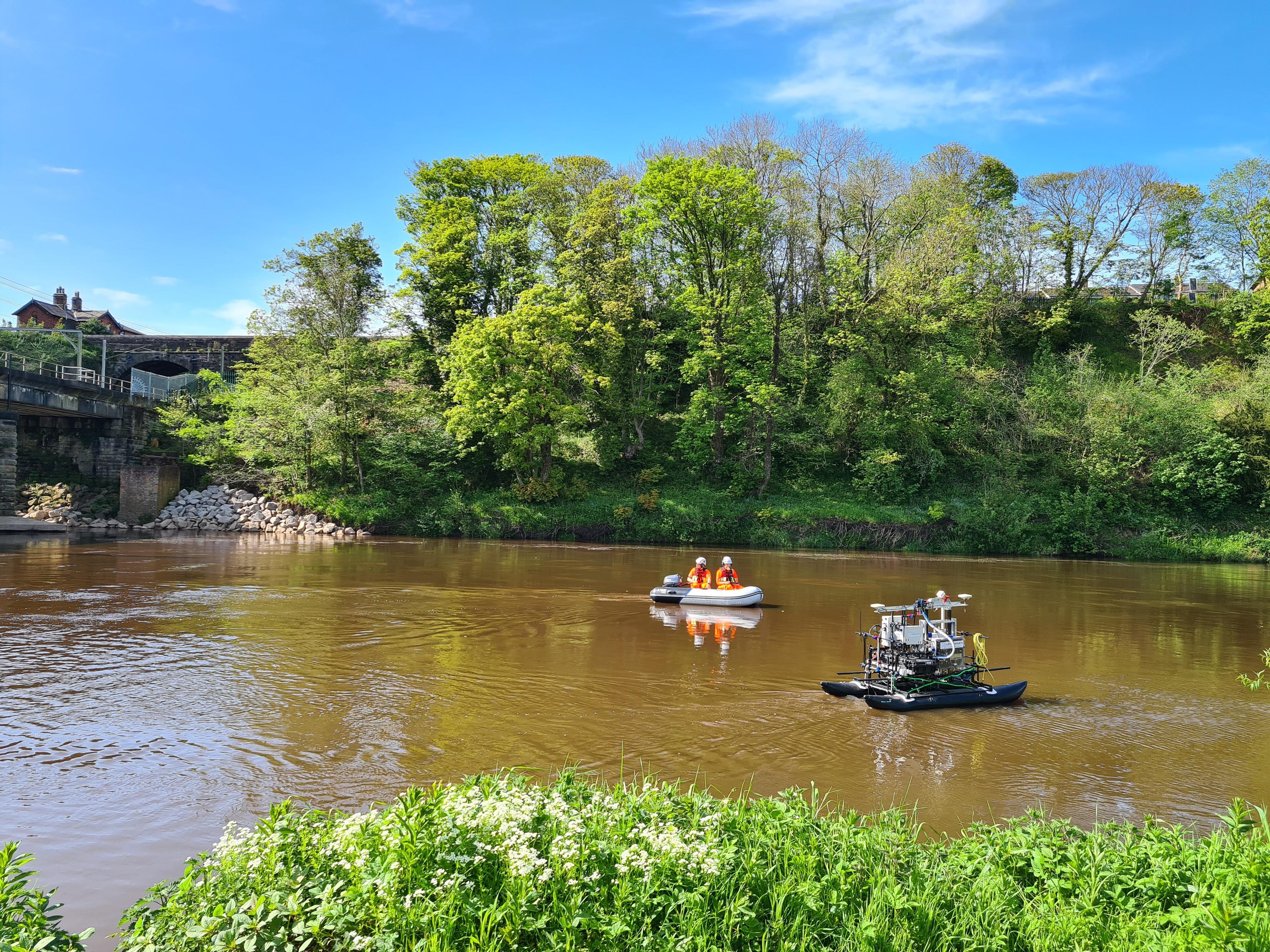
Ultrabeam, a specialist in hydrographic survey and underwater inspection, relies heavily on precise motion compensation to ensure accuracy in their 3D mapping projects. By integrating Norwegian Subsea’s compact, calibration-free Motion Reference Units (MRUs), Ultrabeam has significantly improved its survey data accuracy, while enjoying simplified integration, and enhanced operational efficiency in diverse surveying environments, from bridges, to offshore installations.

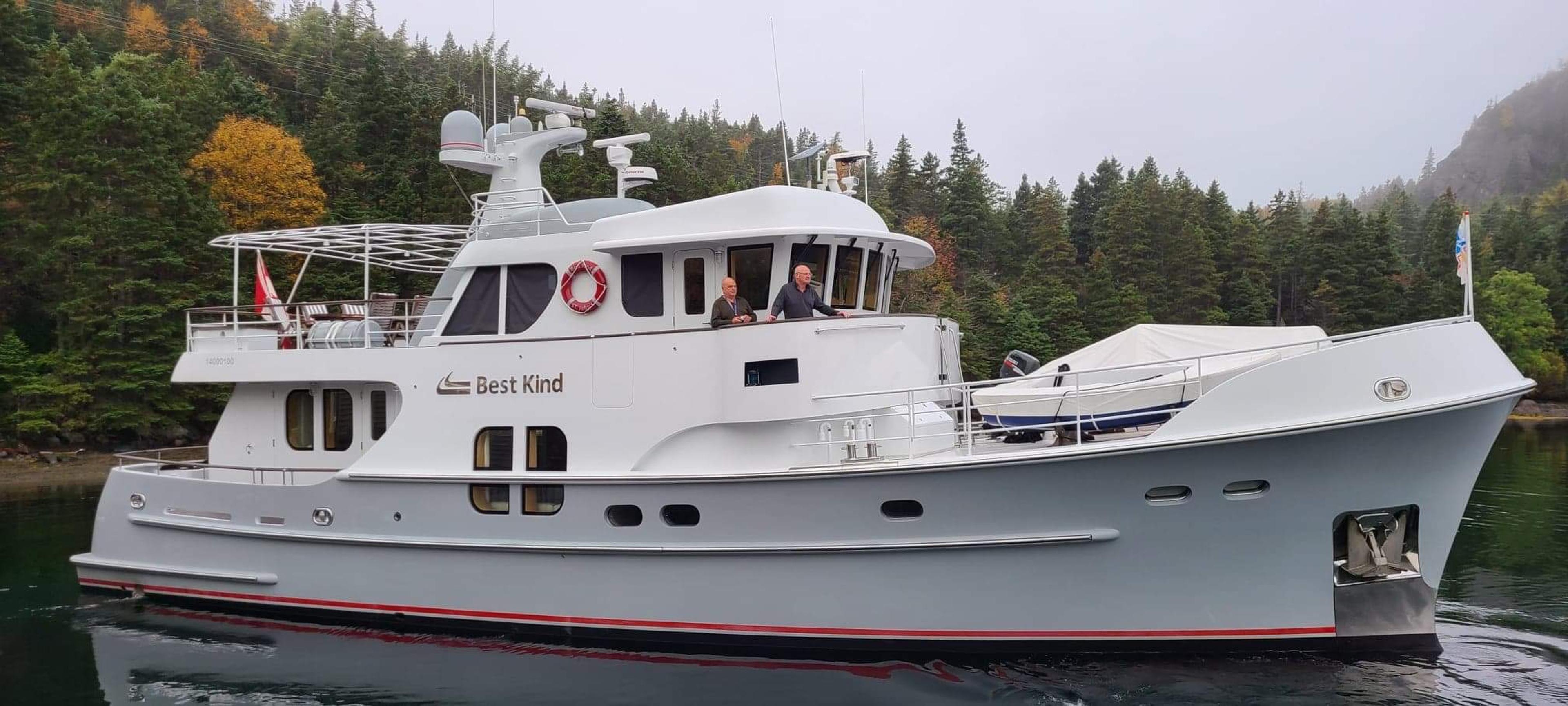
Motion Reference Units (MRUs) are crucial in bathymetric survey technology, providing precise motion compensation data to ensure reliable and accurate seafloor mapping. For users like Captain Sid Hynes, a seasoned mariner exploring Newfoundland’s shipwreck-rich waters, the Norwegian Subsea MRU has redefined what is possible, delivering exceptional performance even in incredibly challenging conditions.

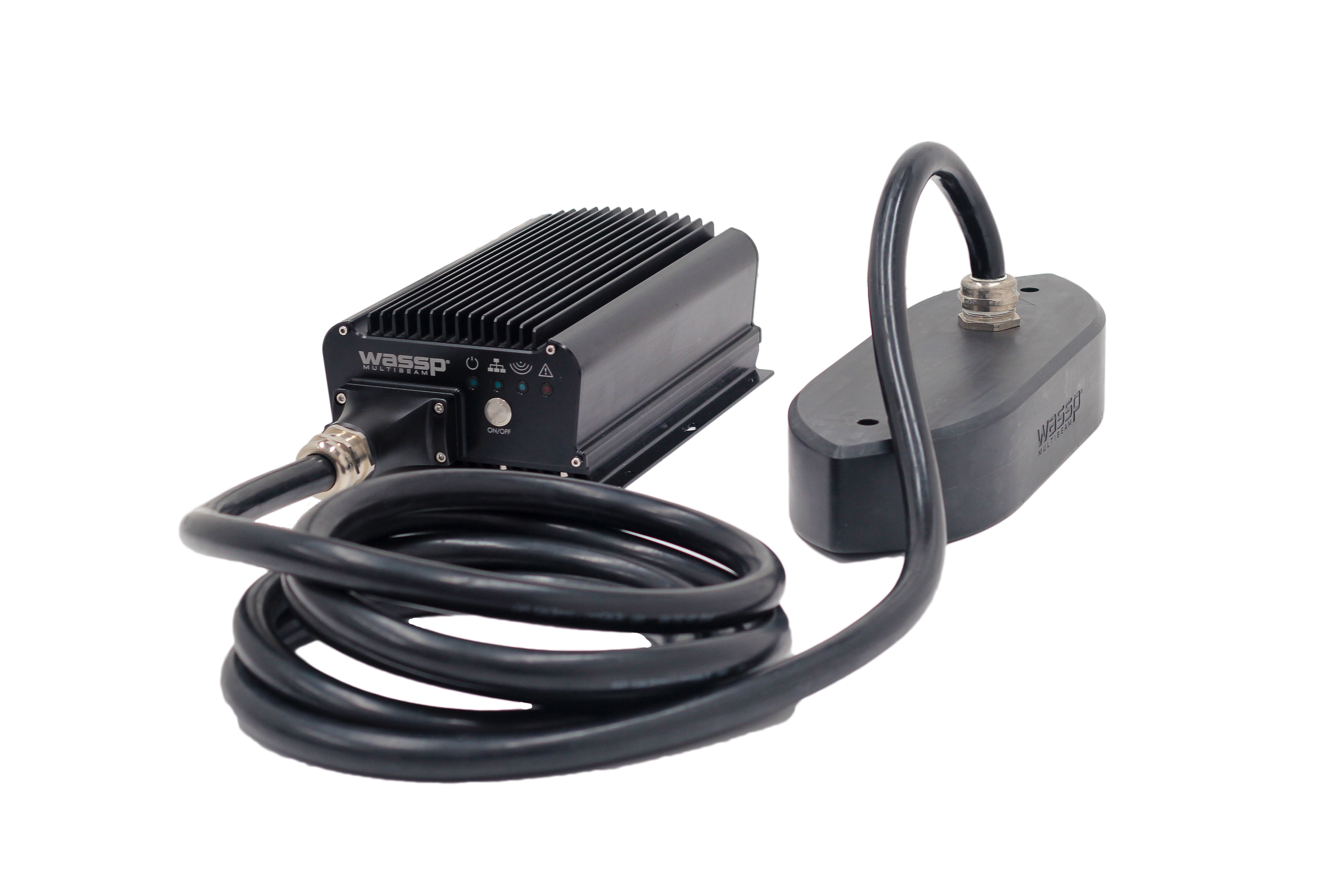
Norwegian Subsea’s Motion Reference Units (MRUs) are now available integrated with WASSP’s multibeam sonar systems, offering enhanced motion data accuracy and performance for offshore applications.