Side-scan sonar produces high-resolution acoustic images of the seafloor by measuring the intensity of returns across a wide swath on either side of the vessel. Although it does not directly measure depth, the positional accuracy and image quality of a side-scan survey are heavily dependent on accurate, real-time motion data.
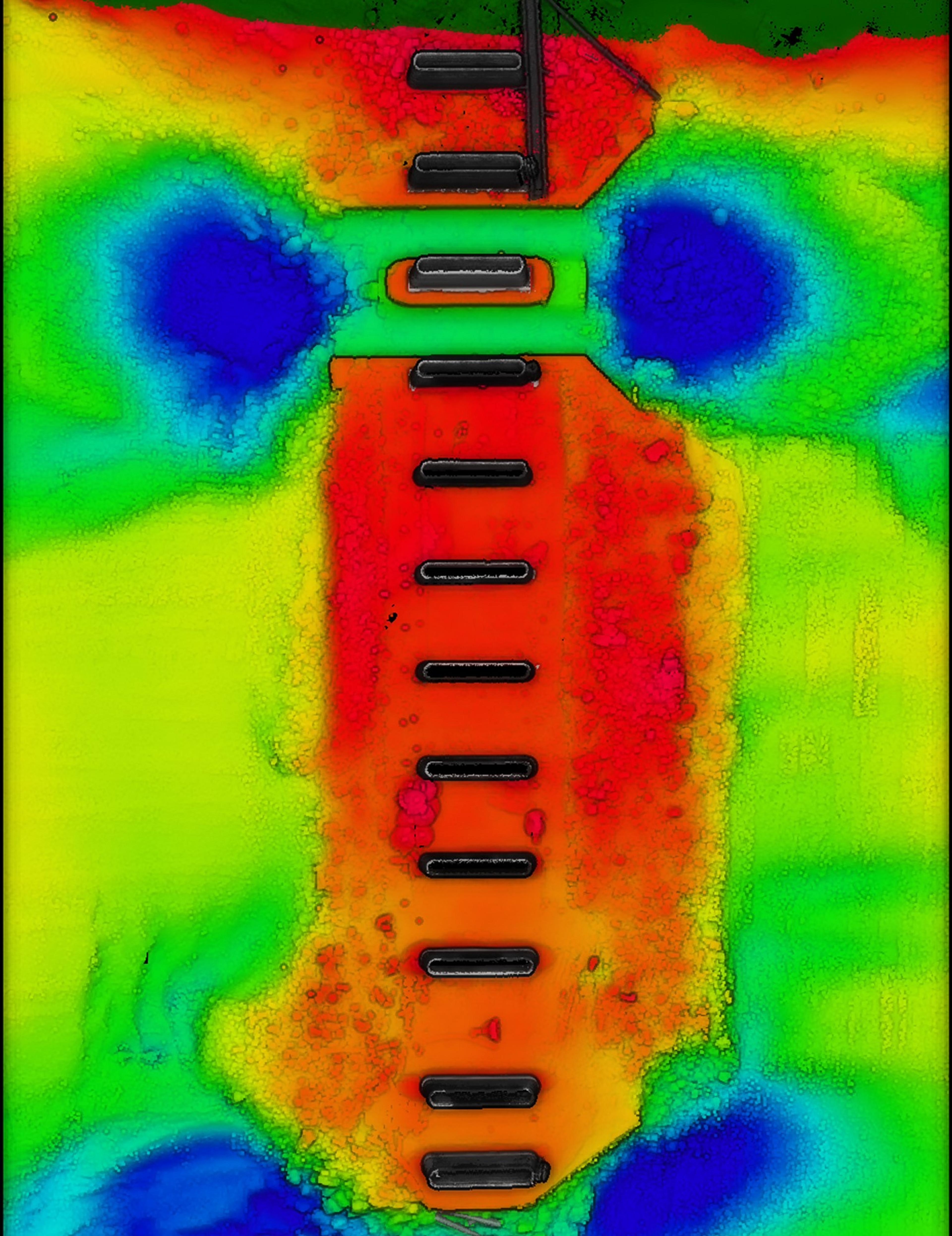
Roll and heave cause the swath coverage to shift laterally and vertically, producing nadir gaps, overlap artefacts, and inconsistent range calibration between successive pings. In high-resolution search applications such as locating pipelines, cables, lost objects, shipwrecks, or unexploded ordnance on the seafloor, these artefacts can cause real targets to be missed or false targets to be reported, with serious operational consequences.
Accurate motion compensation keeps the sonar geometry stable, maximises the consistency of the image, and reduces the risk of misidentification. Side-scan sonar is also frequently deployed on towfish and AUV platforms, where the motion characteristics differ significantly from a vessel-mounted system. In both cases, a compact, depth-rated MRU mounted directly on the platform provides the motion reference needed (dynamic roll and pitch), without relying on vessel-side data that no longer represents the sensor's actual motion.
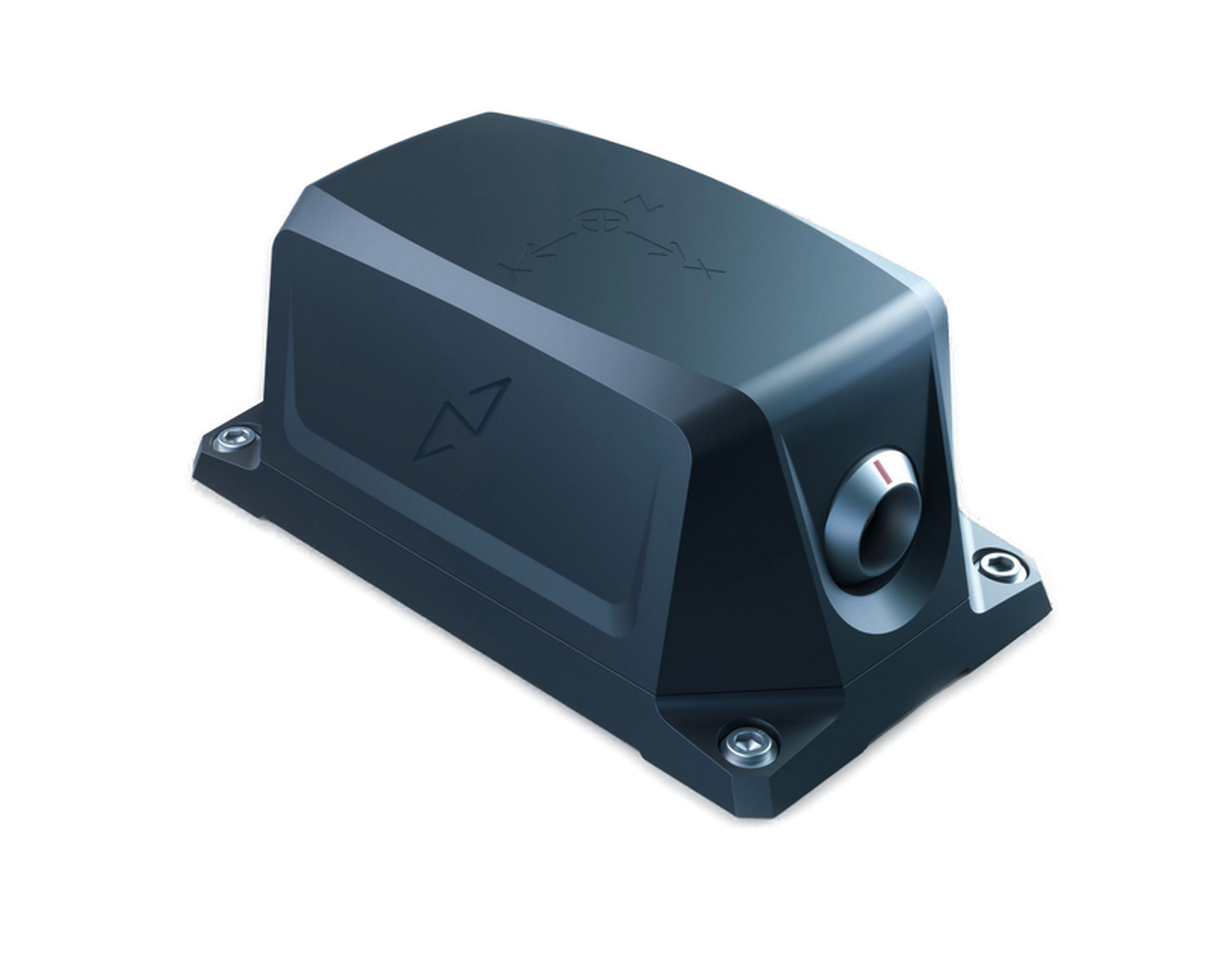
The MRU Marine SW is easily mounted on towfish, AUVs, or survey vessels, while the titanium MRU Subsea, rated to 6000 metres and weighing just 1.6 kg, delivers high-accuracy motion data directly on deep-water platforms for the most demanding search and inspection surveys.


50 m depth, IP 68
5 cm or 5.0%
Lemo or SubConn 8 or SubConn 16

6000 m depth
5 cm or 5.0%
SubConn 8

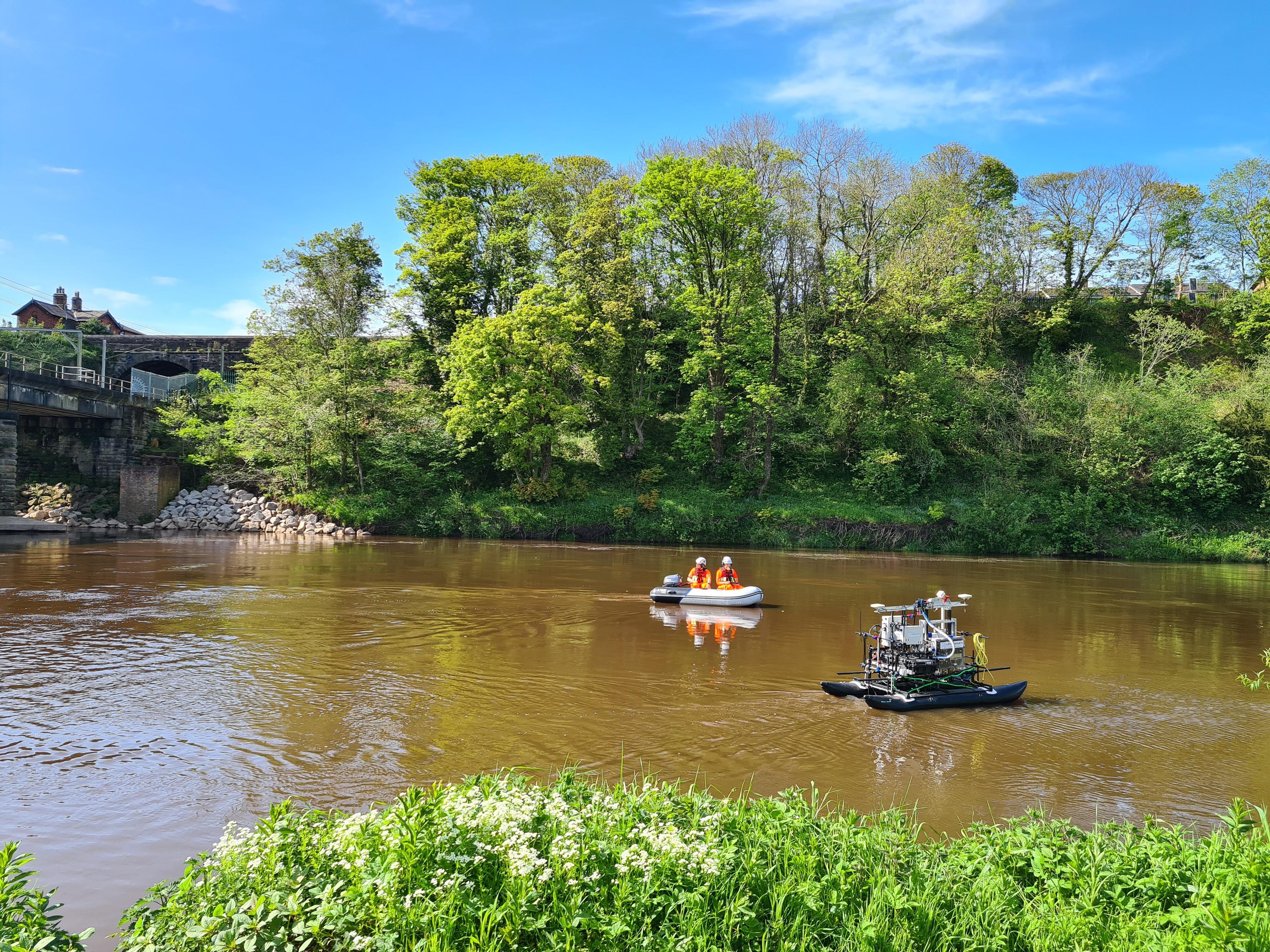
Ultrabeam, a specialist in hydrographic survey and underwater inspection, relies heavily on precise motion compensation to ensure accuracy in their 3D mapping projects. By integrating Norwegian Subsea’s compact, calibration-free Motion Reference Units (MRUs), Ultrabeam has significantly improved its survey data accuracy, while enjoying simplified integration, and enhanced operational efficiency in diverse surveying environments, from bridges, to offshore installations.

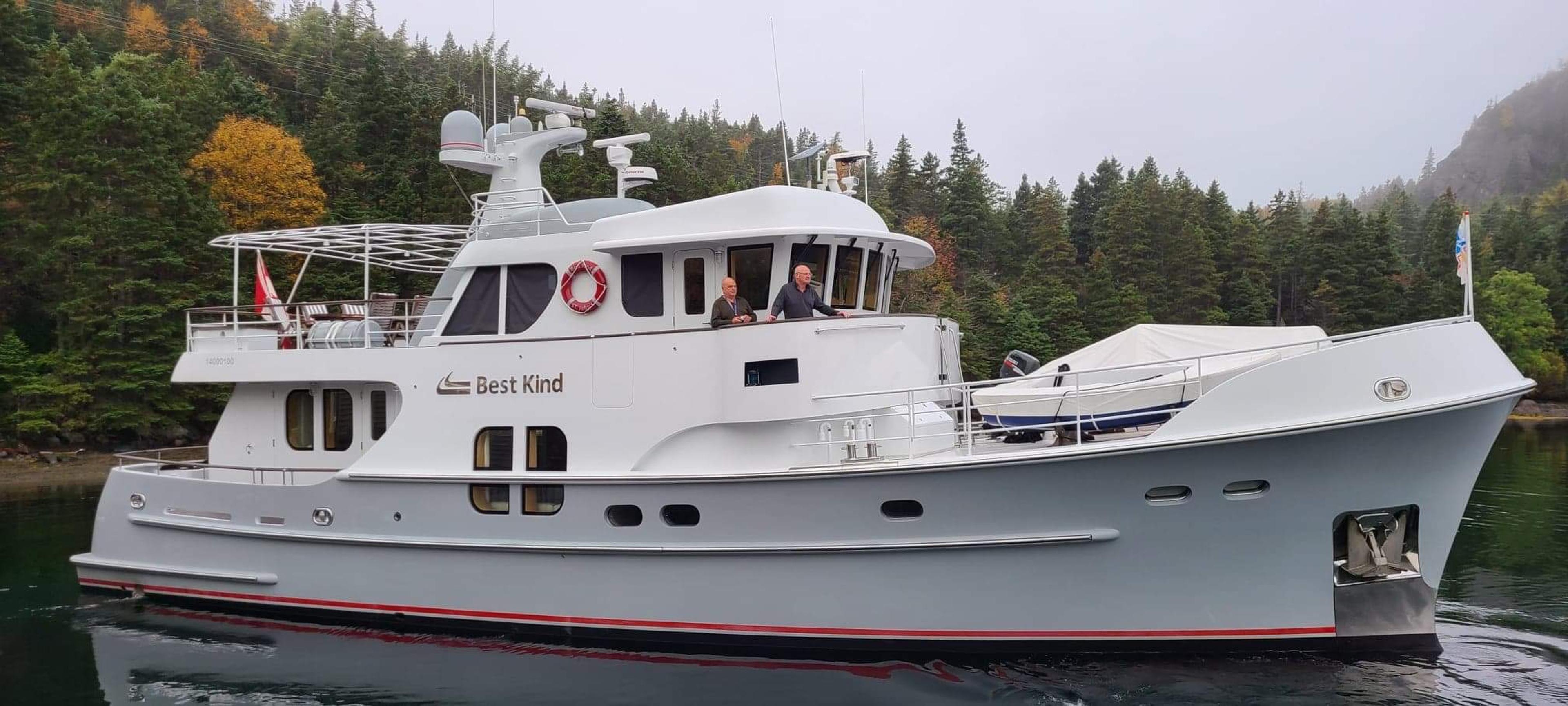
Motion Reference Units (MRUs) are crucial in bathymetric survey technology, providing precise motion compensation data to ensure reliable and accurate seafloor mapping. For users like Captain Sid Hynes, a seasoned mariner exploring Newfoundland’s shipwreck-rich waters, the Norwegian Subsea MRU has redefined what is possible, delivering exceptional performance even in incredibly challenging conditions.

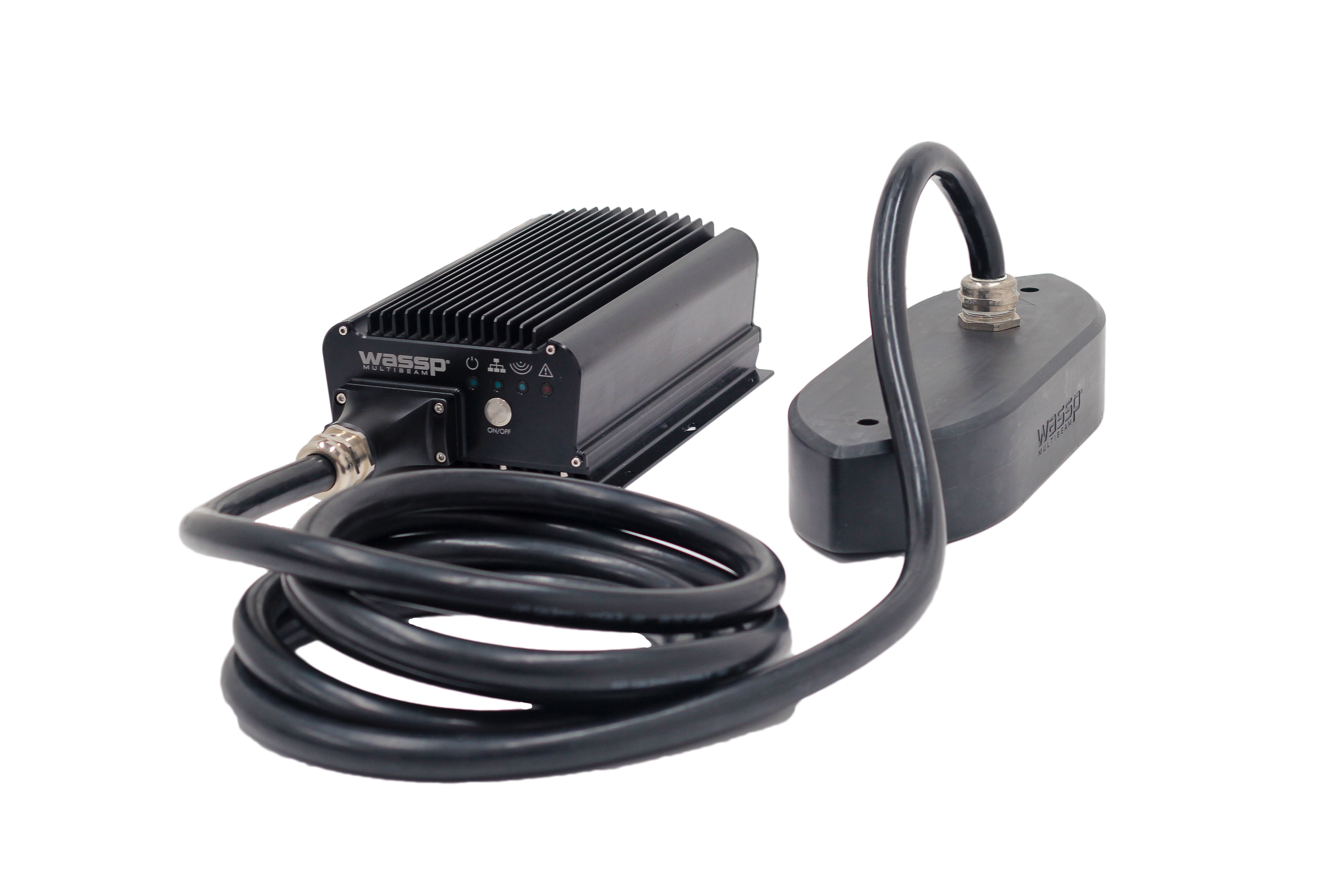
Norwegian Subsea’s Motion Reference Units (MRUs) are now available integrated with WASSP’s multibeam sonar systems, offering enhanced motion data accuracy and performance for offshore applications.