Omni-directional sonars provide a 360-degree view around the vessel, displaying schools of fish, bottom structure, and objects at all angles simultaneously. Because these systems are interpreted in real time and often in heavy weather, accurate motion data is essential to producing a stable, reliable image when it matters most.
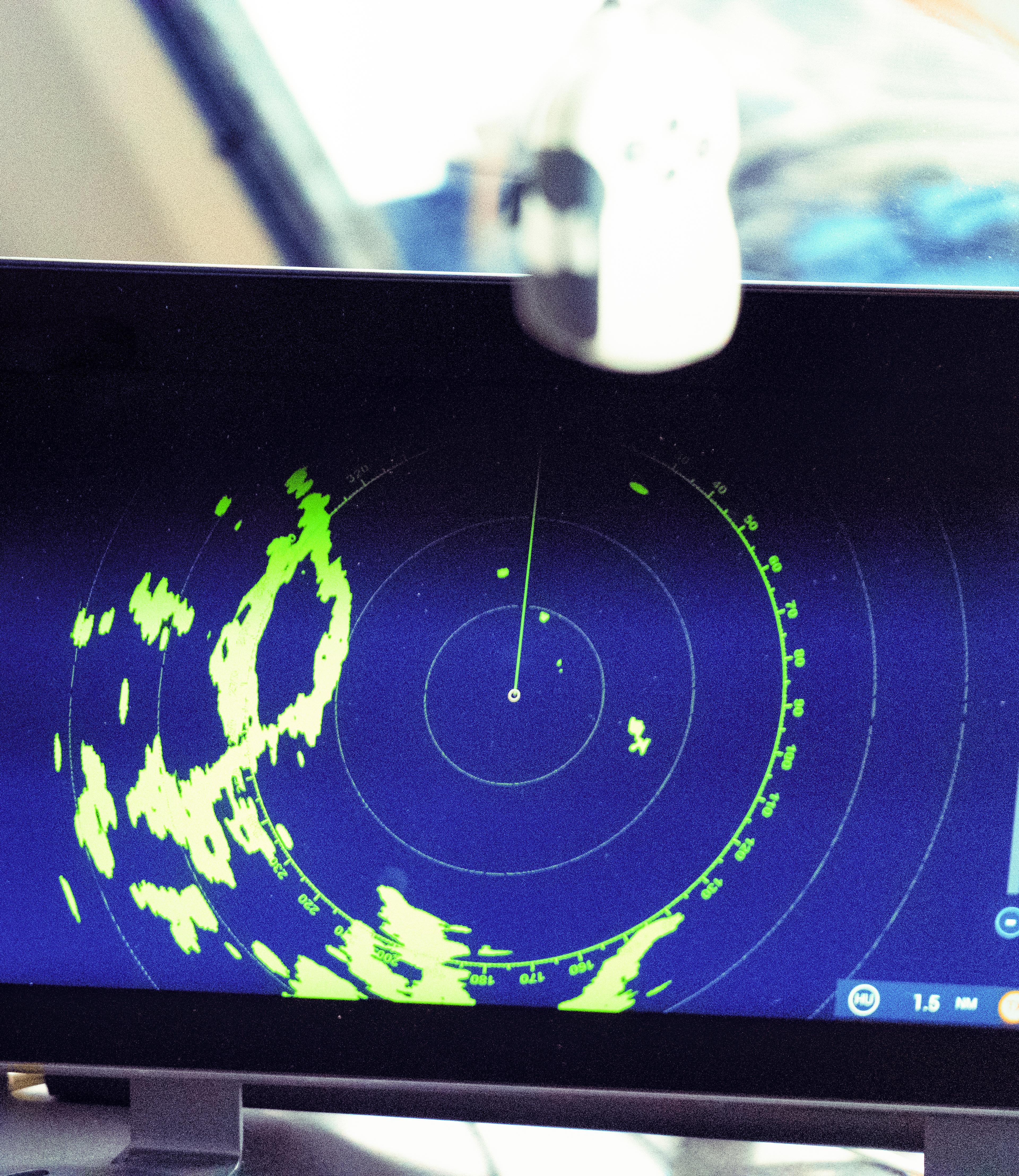
Without accurate motion compensation, vessel roll, pitch, and heave introduce errors that manifest as smearing of fish school returns, false bottom reflections, and unstable imagery in heavy weather. These distortions directly reduce the fishing master's ability to interpret the position, size, and depth of a school correctly, at exactly the moment when accurate information has the greatest commercial value.
Fishing vessels typically operate in exposed offshore areas far from RTK coverage, in precisely the sea conditions where vessel motion is greatest and compensation most important. Many vessels invest heavily in their sonar package but pair it with a motion sensor that cannot keep up in irregular, multi-directional seas. A high-accuracy MRU feeding real-time attitude data to the sonar processing system produces a stable, clean image regardless of sea state, allowing the operator to make confident decisions on net setting and trawl positioning.
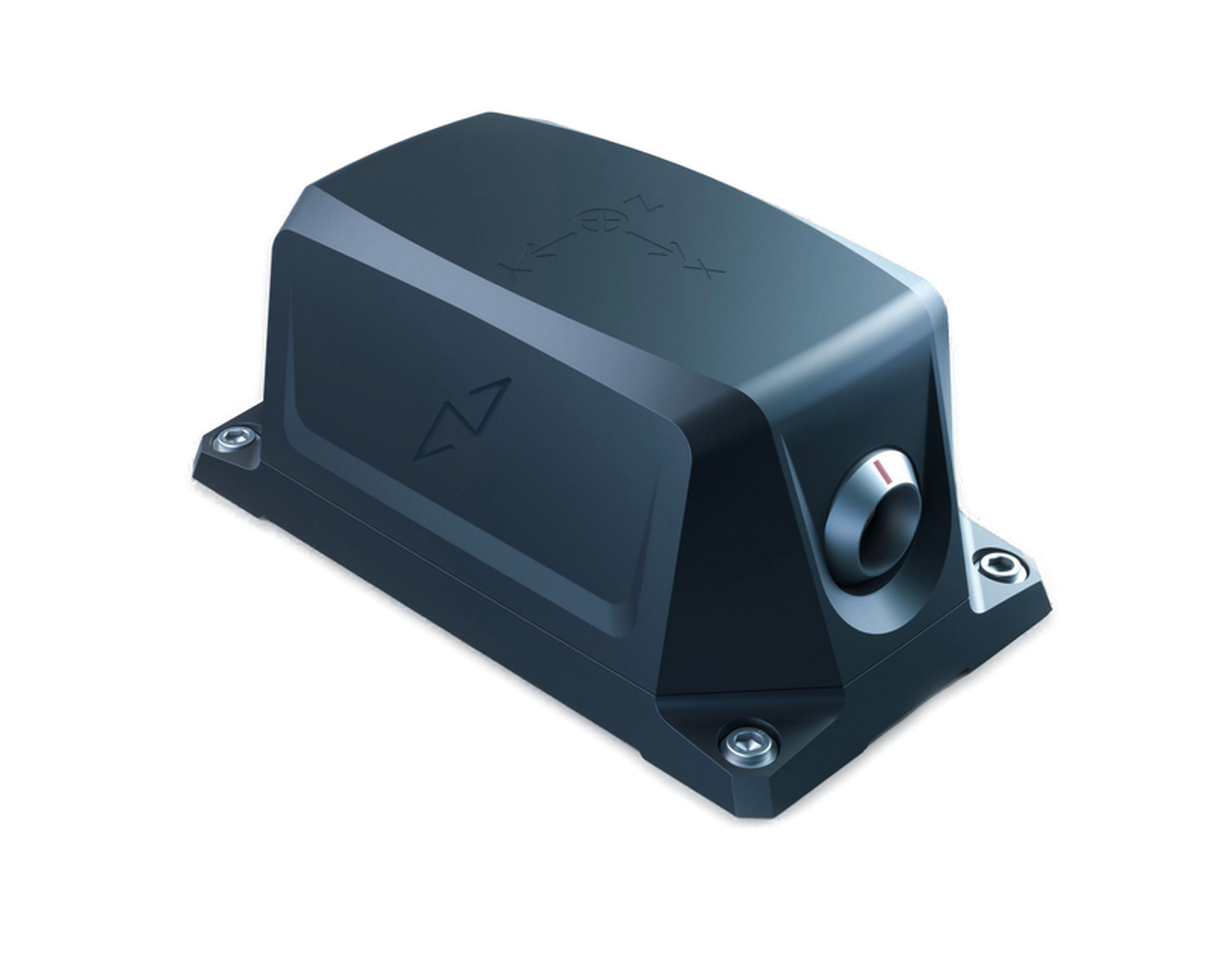
Norwegian Subsea MRUs deliver accurate, real-time motion data independently of RTK or GNSS correction, making them effective in the most exposed offshore fishing grounds. Compact, ready-calibrated, and maintenance-free, they are a cost-effective upgrade that unlocks the full potential of any omni-directional sonar system.


50 m depth, IP 68
5 cm or 5.0%
Lemo or SubConn 8 or SubConn 16

6000 m depth
5 cm or 5.0%
SubConn 8

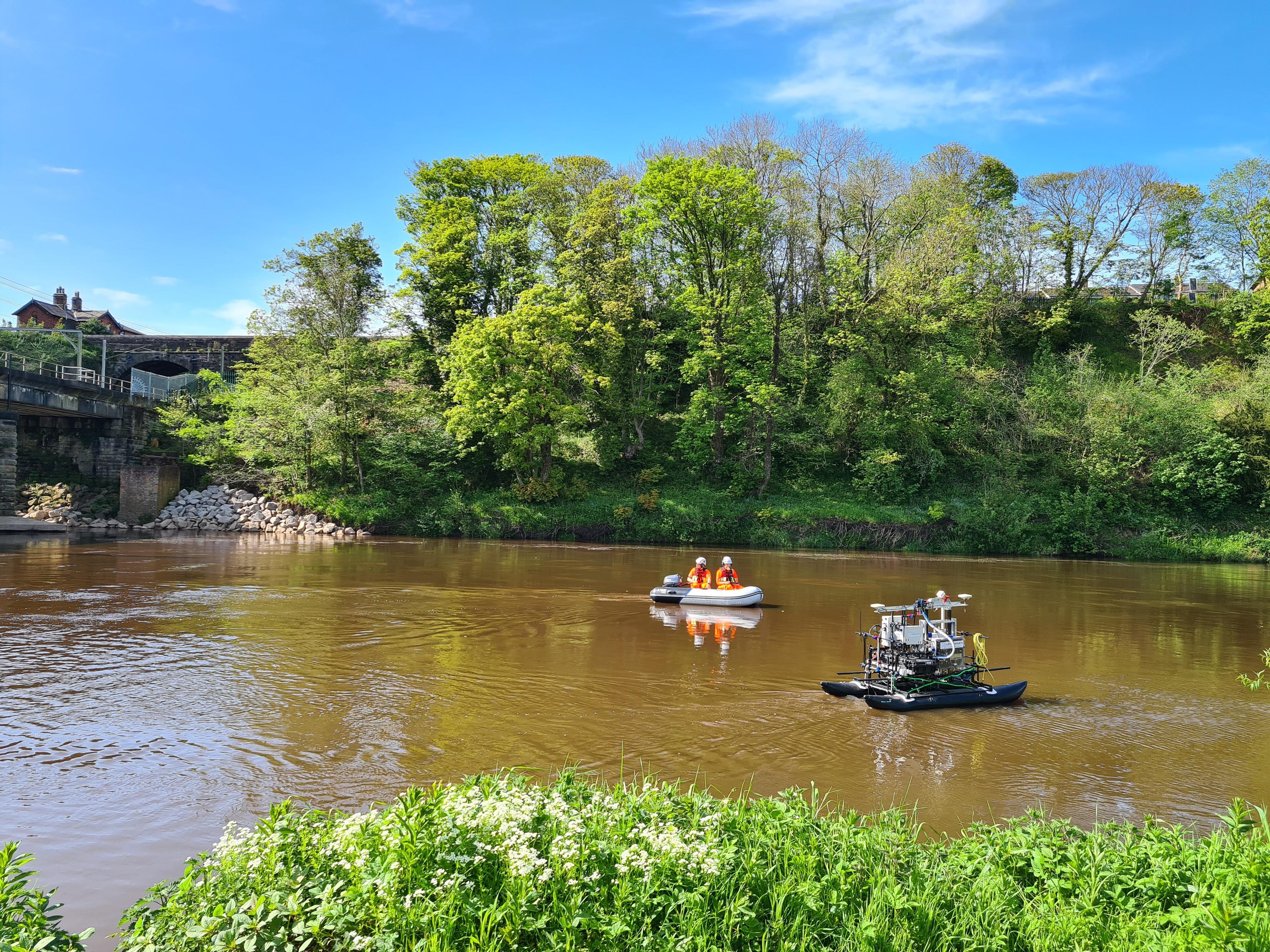
Ultrabeam, a specialist in hydrographic survey and underwater inspection, relies heavily on precise motion compensation to ensure accuracy in their 3D mapping projects. By integrating Norwegian Subsea’s compact, calibration-free Motion Reference Units (MRUs), Ultrabeam has significantly improved its survey data accuracy, while enjoying simplified integration, and enhanced operational efficiency in diverse surveying environments, from bridges, to offshore installations.

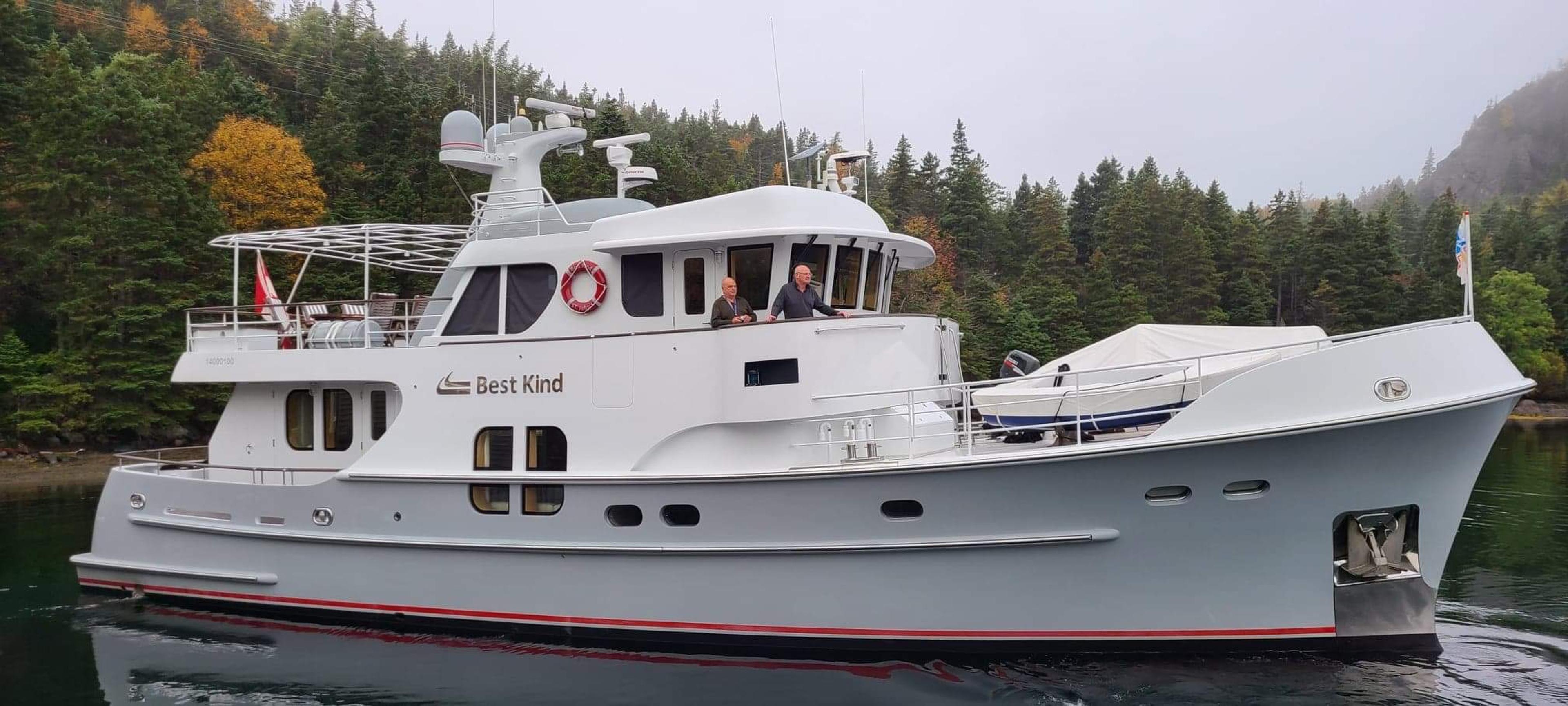
Motion Reference Units (MRUs) are crucial in bathymetric survey technology, providing precise motion compensation data to ensure reliable and accurate seafloor mapping. For users like Captain Sid Hynes, a seasoned mariner exploring Newfoundland’s shipwreck-rich waters, the Norwegian Subsea MRU has redefined what is possible, delivering exceptional performance even in incredibly challenging conditions.

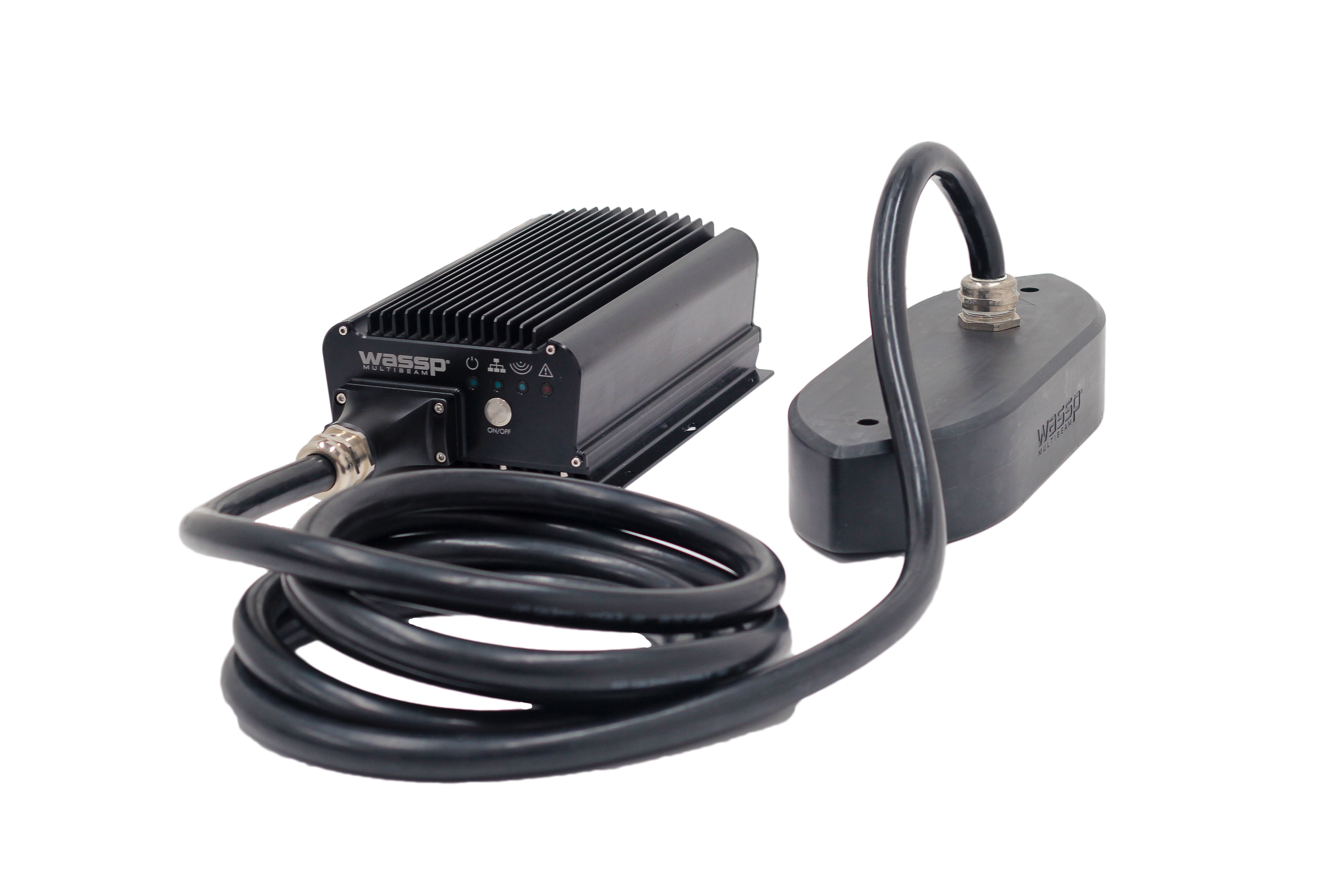
Norwegian Subsea’s Motion Reference Units (MRUs) are now available integrated with WASSP’s multibeam sonar systems, offering enhanced motion data accuracy and performance for offshore applications.