Forward-looking sonars are used primarily for obstacle detection, navigation in restricted waters, and survey of features ahead of the vessel. Their performance depends on accurate, real-time motion data, as vessel motion directly affects where the sonar beam is pointing and how returns are interpreted.

The primary motion sensitivity of a forward-looking sonar is to pitch, which tilts the sonar beam up or down relative to the intended target area. Uncompensated pitch can cause the beam to point toward the surface or the seabed instead of the area of interest, resulting in missed detections or misinterpreted returns.
For autonomous surface vessels and underwater vehicles using forward-looking sonar for obstacle avoidance and navigation, the MRU is a critical input to the control system as well as the sonar compensation algorithm. Without accurate real-time pitch data, the system cannot reliably distinguish whether an acoustic return represents a genuine obstacle or a false alarm caused by beam tilt, a distinction that is essential for safe autonomous operation in confined or hazardous waters.
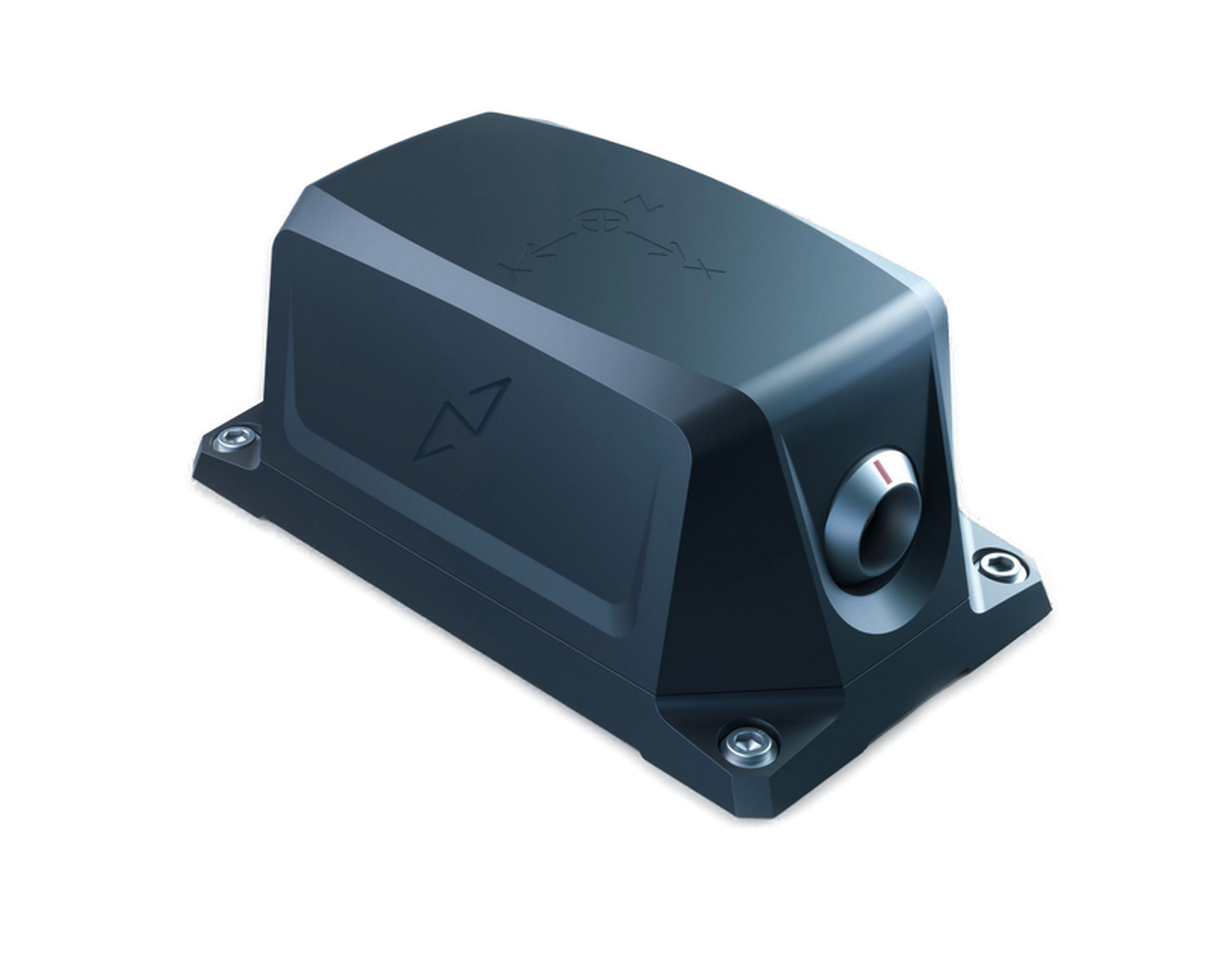
The Norwegian Subsea MRU range delivers the accurate, real-time pitch, roll, and heave data that forward-looking sonars depend on. The compact MRU Marine suits vessel and USV integration, while the titanium MRU Subsea, rated to 6000 metres, serves underwater vehicles operating in demanding conditions.


50 m depth, IP 68
5 cm or 5.0%
Lemo or SubConn 8 or SubConn 16

6000 m depth
5 cm or 5.0%
SubConn 8

Ultrabeam, a specialist in hydrographic survey and underwater inspection, relies heavily on precise motion compensation to ensure accuracy in their 3D mapping projects. By integrating Norwegian Subsea’s compact, calibration-free Motion Reference Units (MRUs), Ultrabeam has significantly improved its survey data accuracy, while enjoying simplified integration, and enhanced operational efficiency in diverse surveying environments, from bridges, to offshore installations.

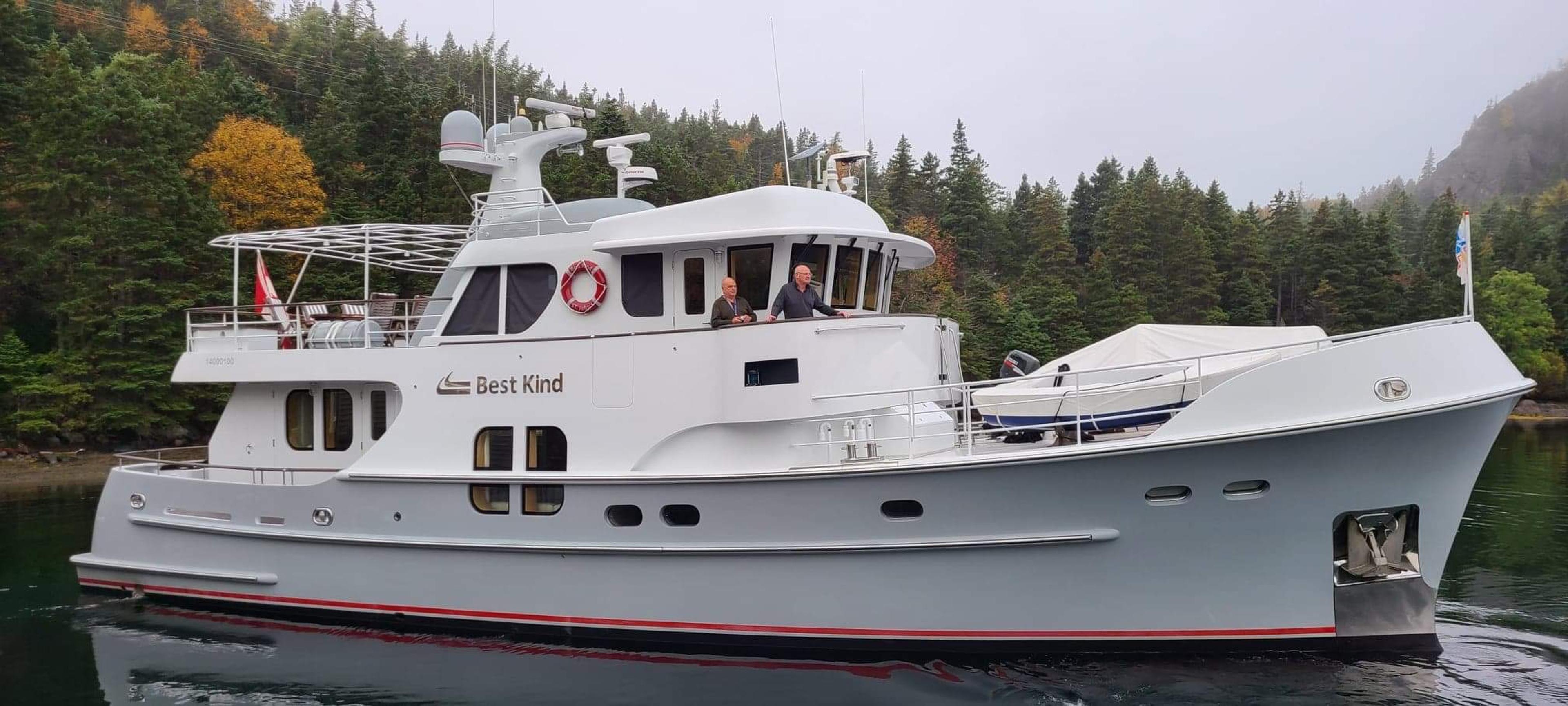
Motion Reference Units (MRUs) are crucial in bathymetric survey technology, providing precise motion compensation data to ensure reliable and accurate seafloor mapping. For users like Captain Sid Hynes, a seasoned mariner exploring Newfoundland’s shipwreck-rich waters, the Norwegian Subsea MRU has redefined what is possible, delivering exceptional performance even in incredibly challenging conditions.

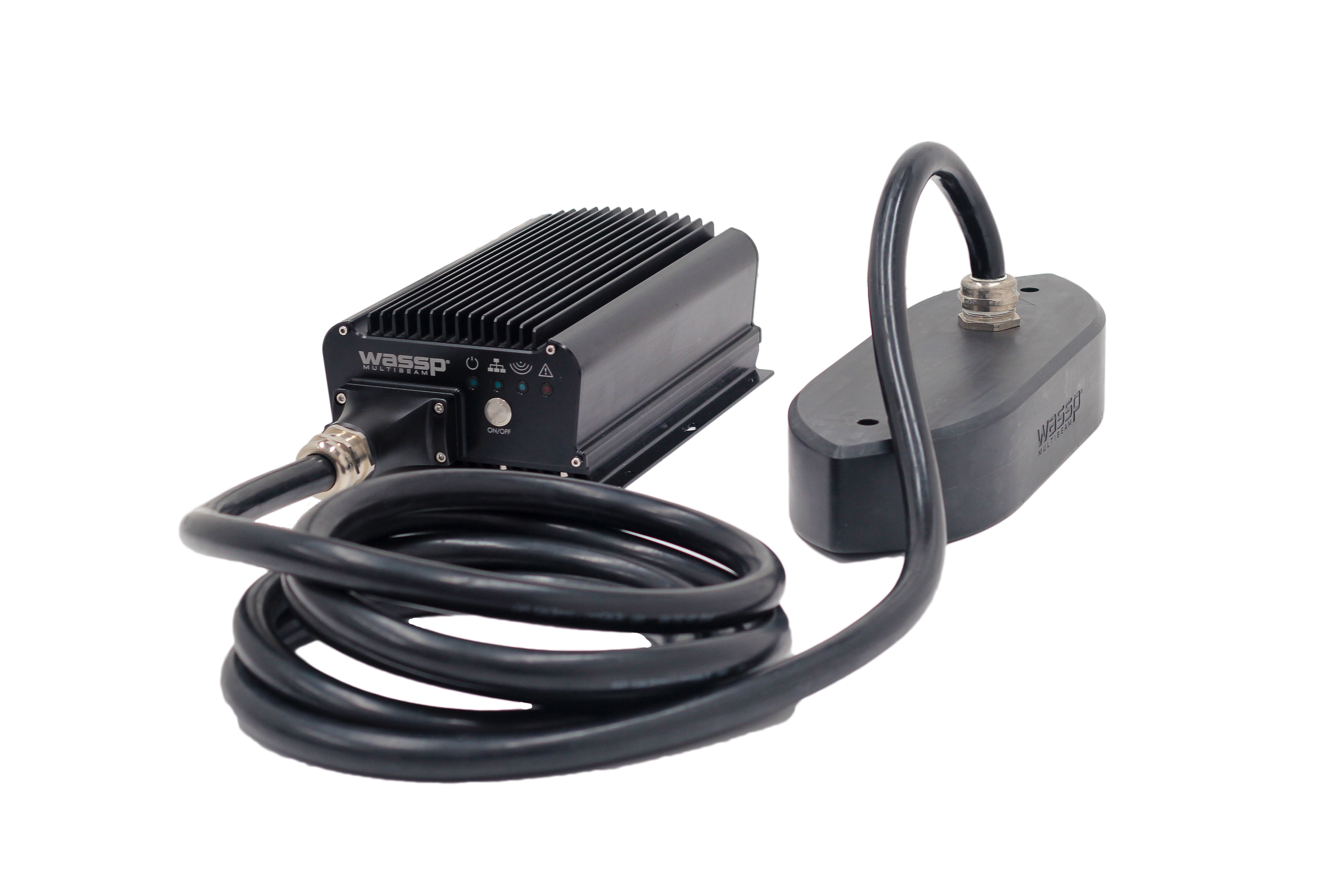
Norwegian Subsea’s Motion Reference Units (MRUs) are now available integrated with WASSP’s multibeam sonar systems, offering enhanced motion data accuracy and performance for offshore applications.