How do motion sensors improve ship stabilization?
Motion sensors, specifically Motion Reference Units (MRUs), are fundamental components in modern ship stabilization systems. Norwegian Subsea MRUs accurately measure a vessel's motion across all six degrees of freedom (6DoF): Roll, Pitch, Yaw, Heave, Surge, and Sway, providing real-time data on the vessel's dynamic behavior.
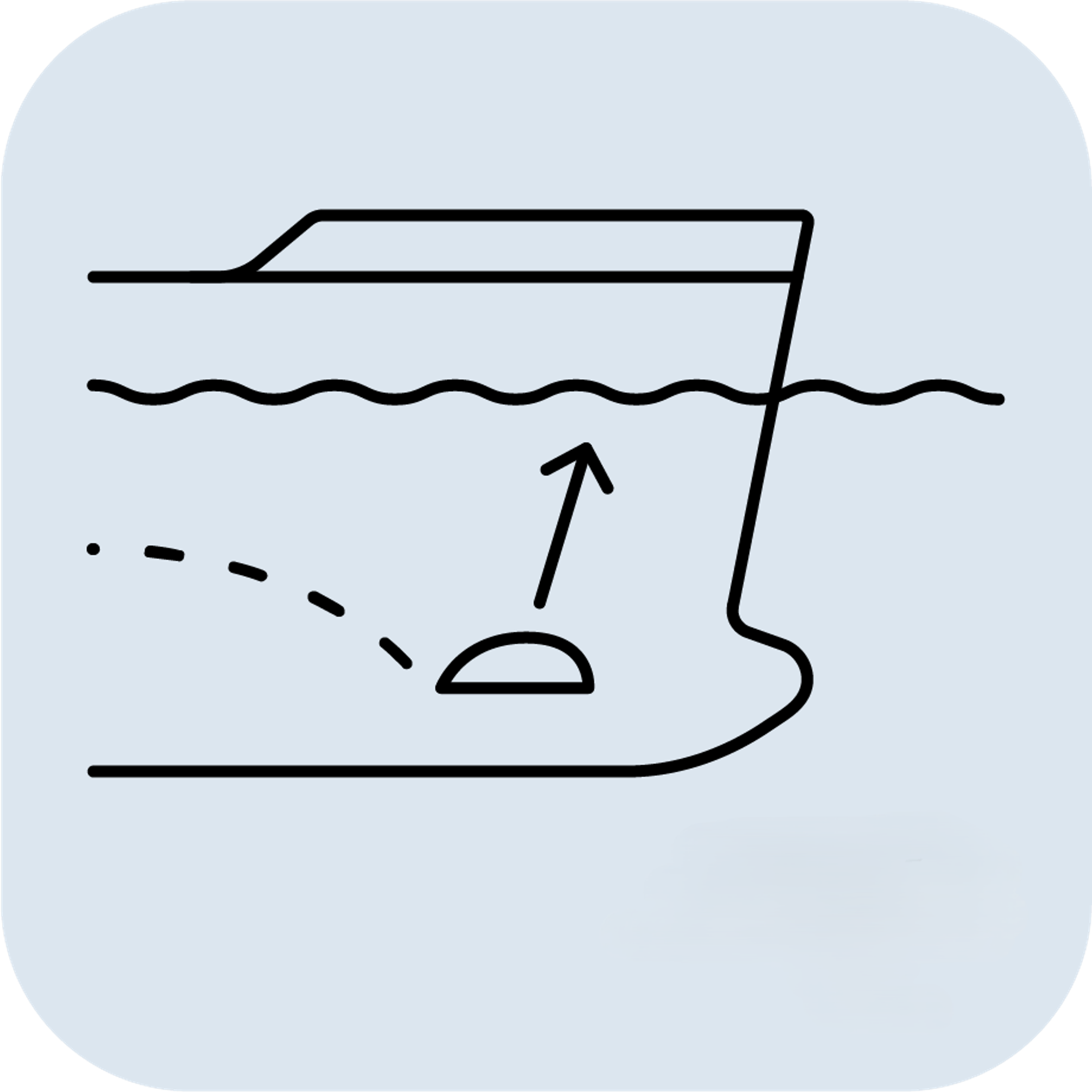
This high-fidelity motion data serves as a critical input for various onboard stabilization systems. For instance, systems controlling stabilizing fins use the Roll and Pitch measurements from the MRU to determine the necessary adjustments to counteract wave-induced rolling, significantly improving passenger comfort and cargo safety.
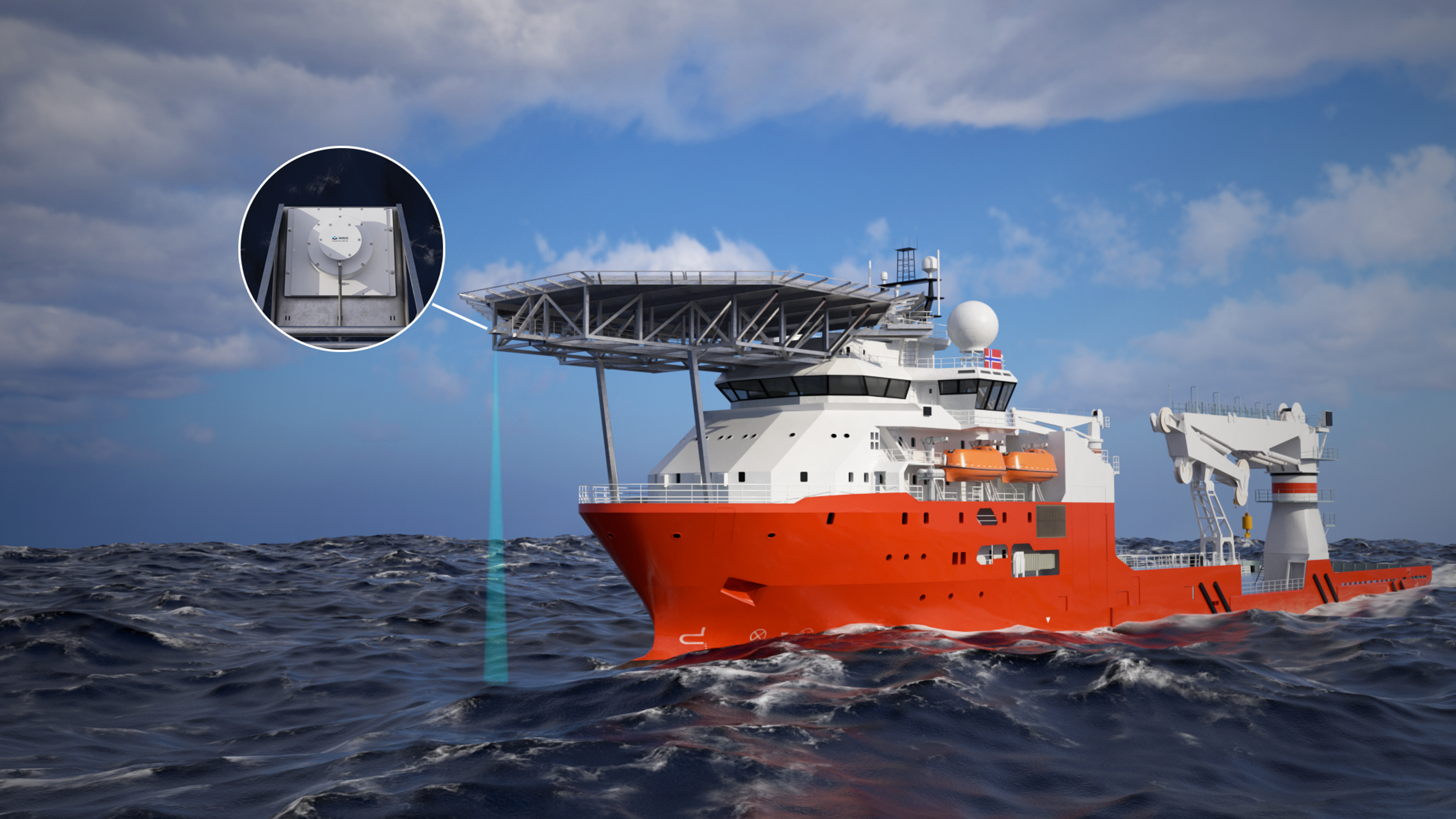
Similarly, Dynamic Positioning (DP) systems rely heavily on precise MRU data (including position, heading, and velocity) to maintain a vessel's position and heading automatically by controlling thrusters and propellers. Other systems like Active Heave Compensation (AHC) winches and Motion Compensated Gangways also utilize MRU data to neutralize vertical motion, ensuring safer and more efficient operations, particularly during personnel or cargo transfer.
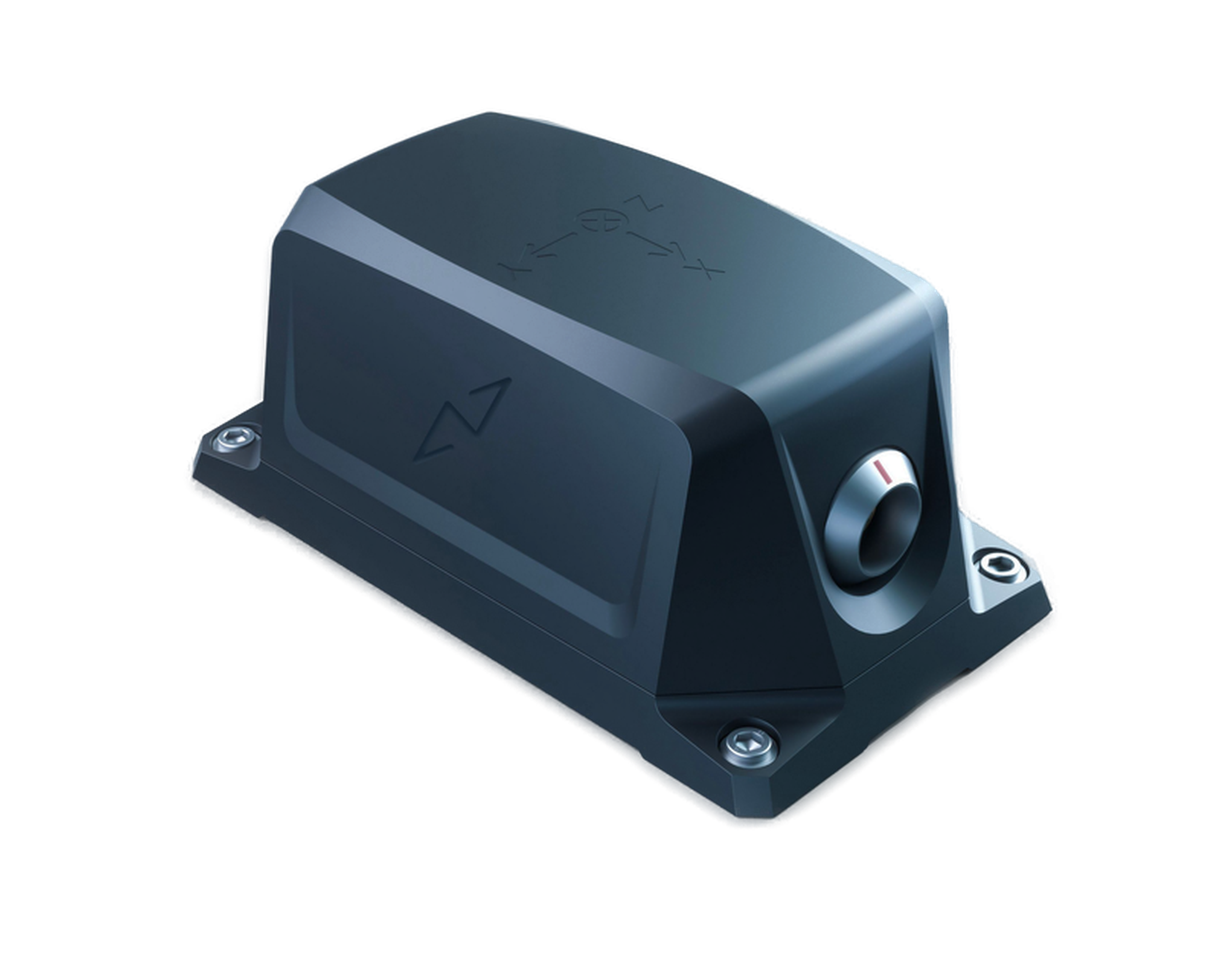
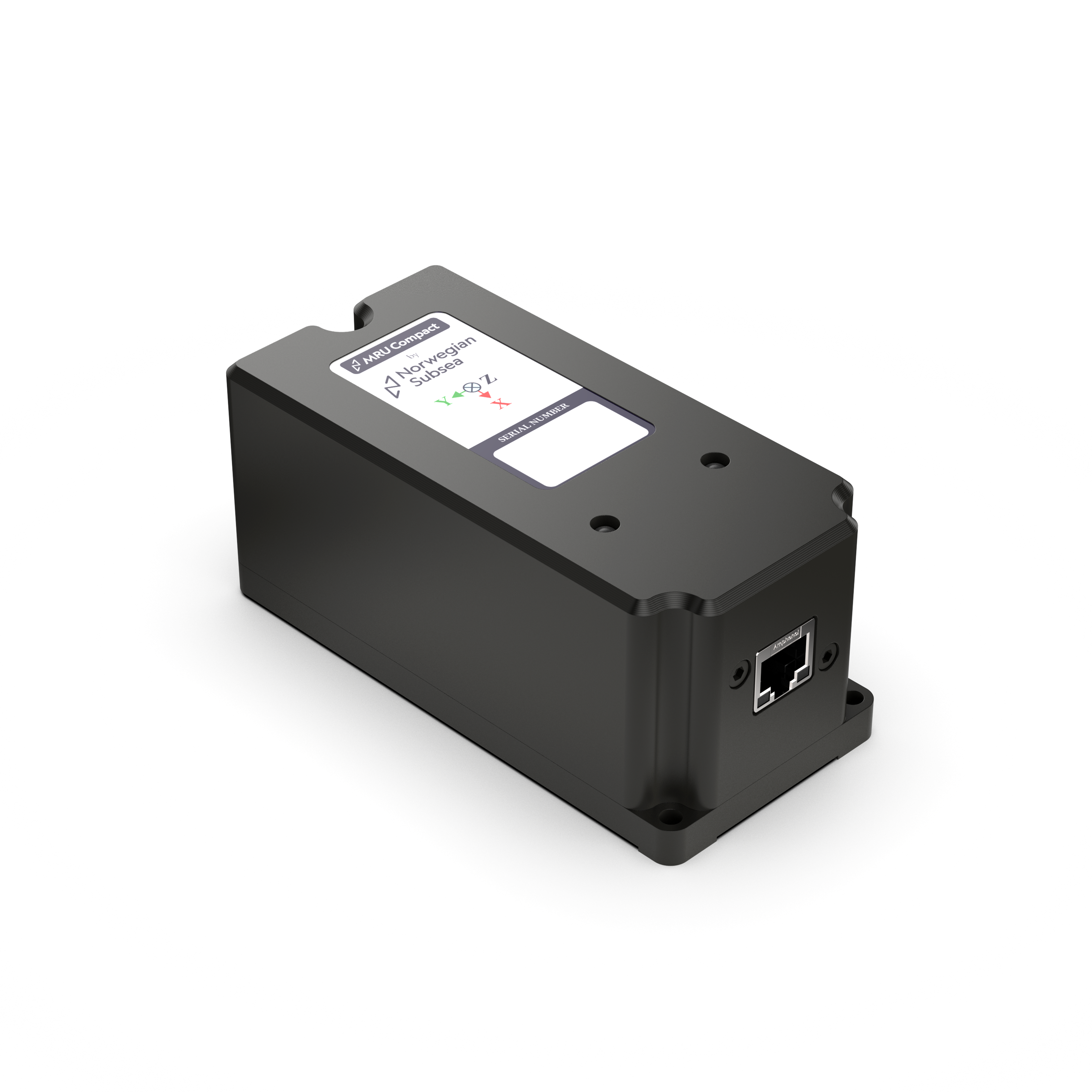
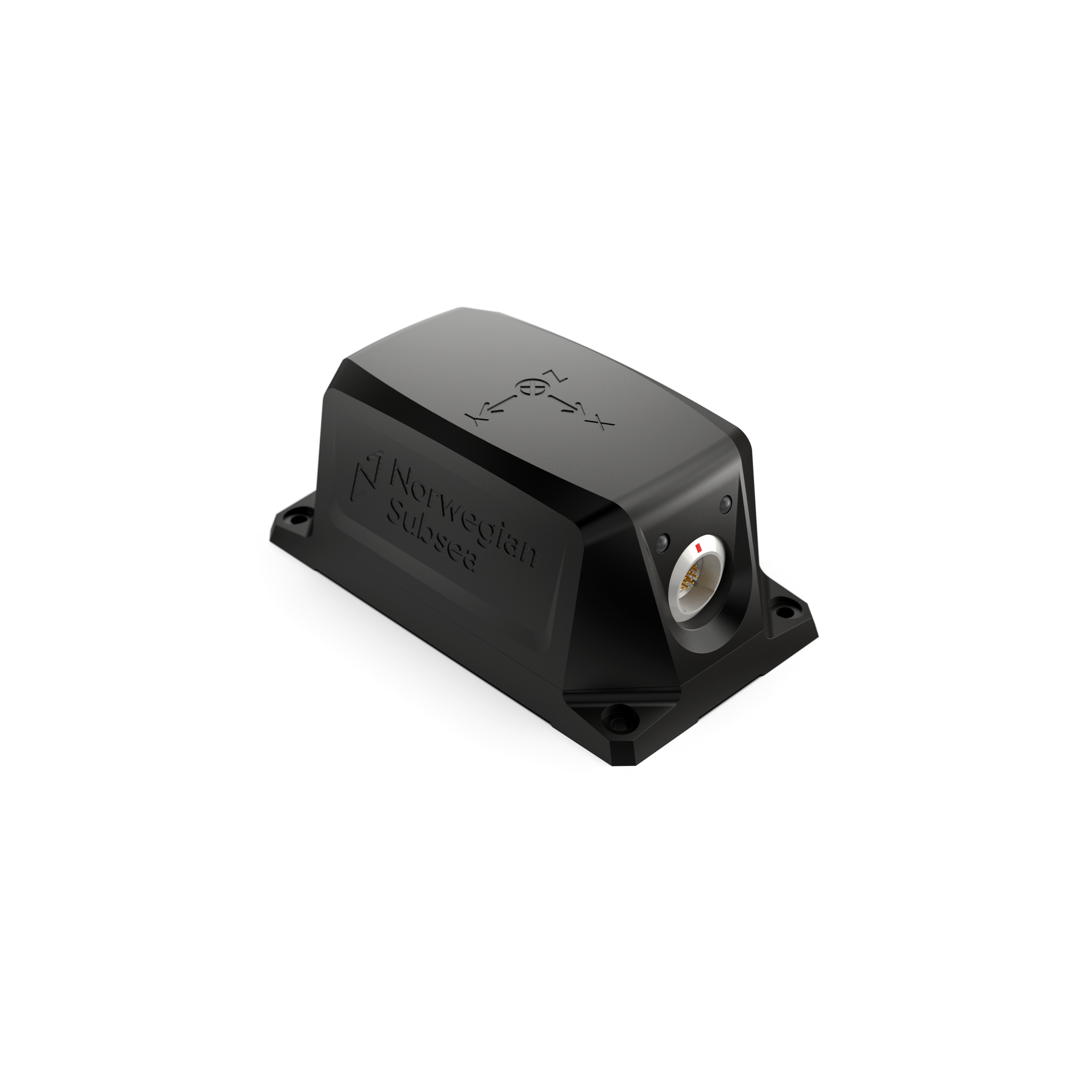
By providing accurate and reliable motion measurements, Norwegian Subsea MRUs enable these stabilization systems to function effectively, enhancing vessel stability, operational uptime, and safety in various sea conditions. Our robust and cost-effective MRUs, such as the MRU Marine (IP68) and MRU Compact (IP65), are designed for easy integration and are often used as drop-in replacements for older units in retrofit projects, requiring no recalibration for most applications.