Sub-bottom profilers use low-frequency acoustic pulses to penetrate the seafloor and image sediment layers, buried structures, and geological features beneath the seabed. Because the imaging geometry must remain stable to interpret sub-surface reflectors correctly, accurate motion compensation is essential to producing reliable, well-defined profiles.

Pitch errors are particularly problematic for sub-bottom profilers, as they shift the direction of the acoustic beam along-track, creating apparent dips in horizontal reflectors and distorting the apparent thickness of sediment layers. Because the sub-bottom signal is already weak relative to the seabed return, any motion-induced instability in the beam geometry directly degrades the clarity and interpretability of the profile.
For geotechnical investigations, cable and pipeline burial assessments, and archaeological surveys, these distortions can lead to incorrect engineering decisions, inaccurate volume calculations, or missed sub-surface features. Accurate, real-time roll, pitch, and heave compensation keeps the acoustic beam correctly oriented and referenced throughout the survey, eliminating these errors at source and ensuring that the sediment layers and buried features imaged in the profile reflect the true geology of the seabed.
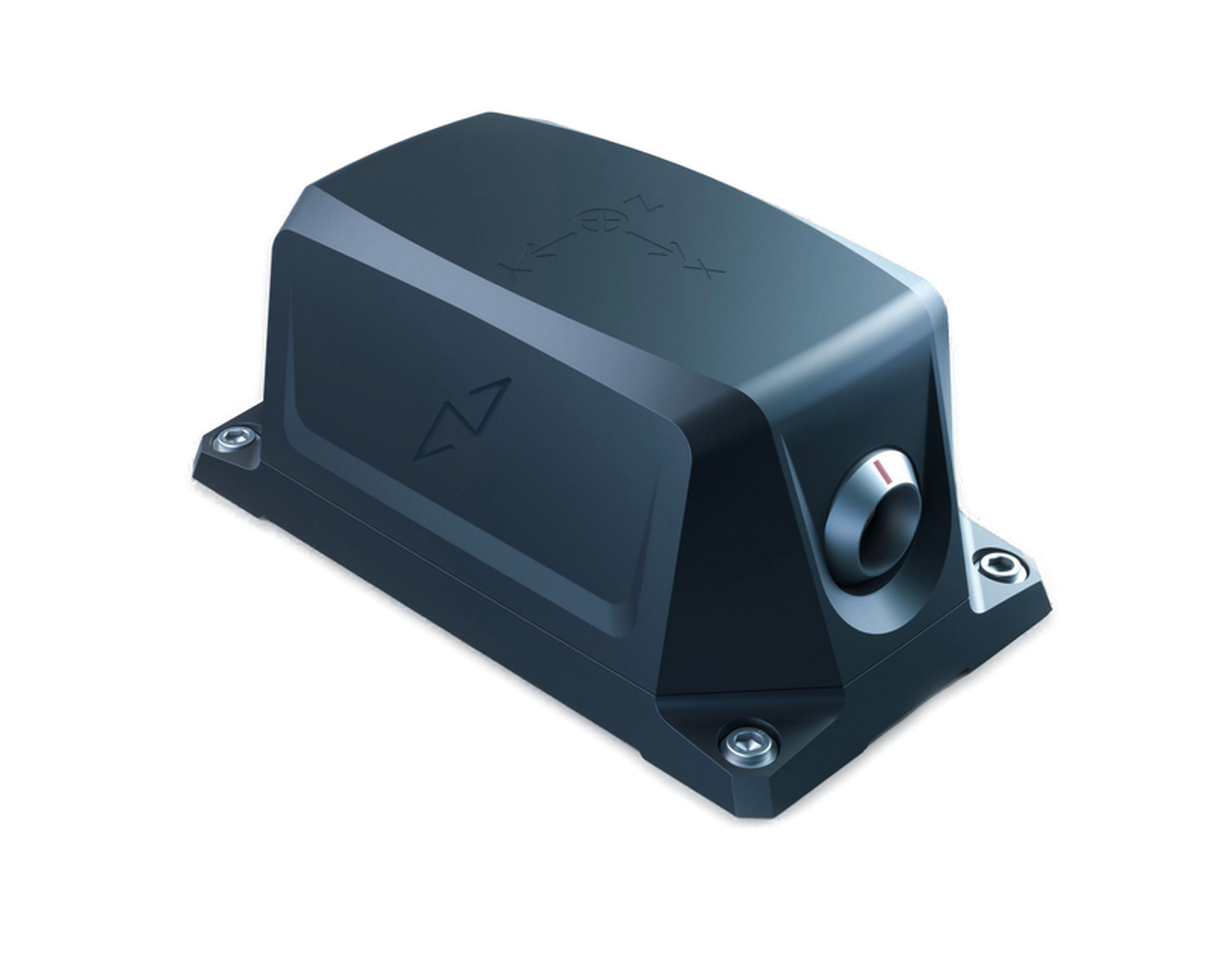
The Norwegian Subsea MRU 6000 series delivers the high-accuracy pitch, roll, and heave compensation that sub-bottom profiling demands. For deployment on towed bodies, ROVs, or AUVs, the compact titanium MRU Subsea, rated to 6000 metres, provides the same precision directly on the platform.


50 m depth, IP 68
5 cm or 5.0%
Lemo or SubConn 8 or SubConn 16

6000 m depth
5 cm or 5.0%
SubConn 8

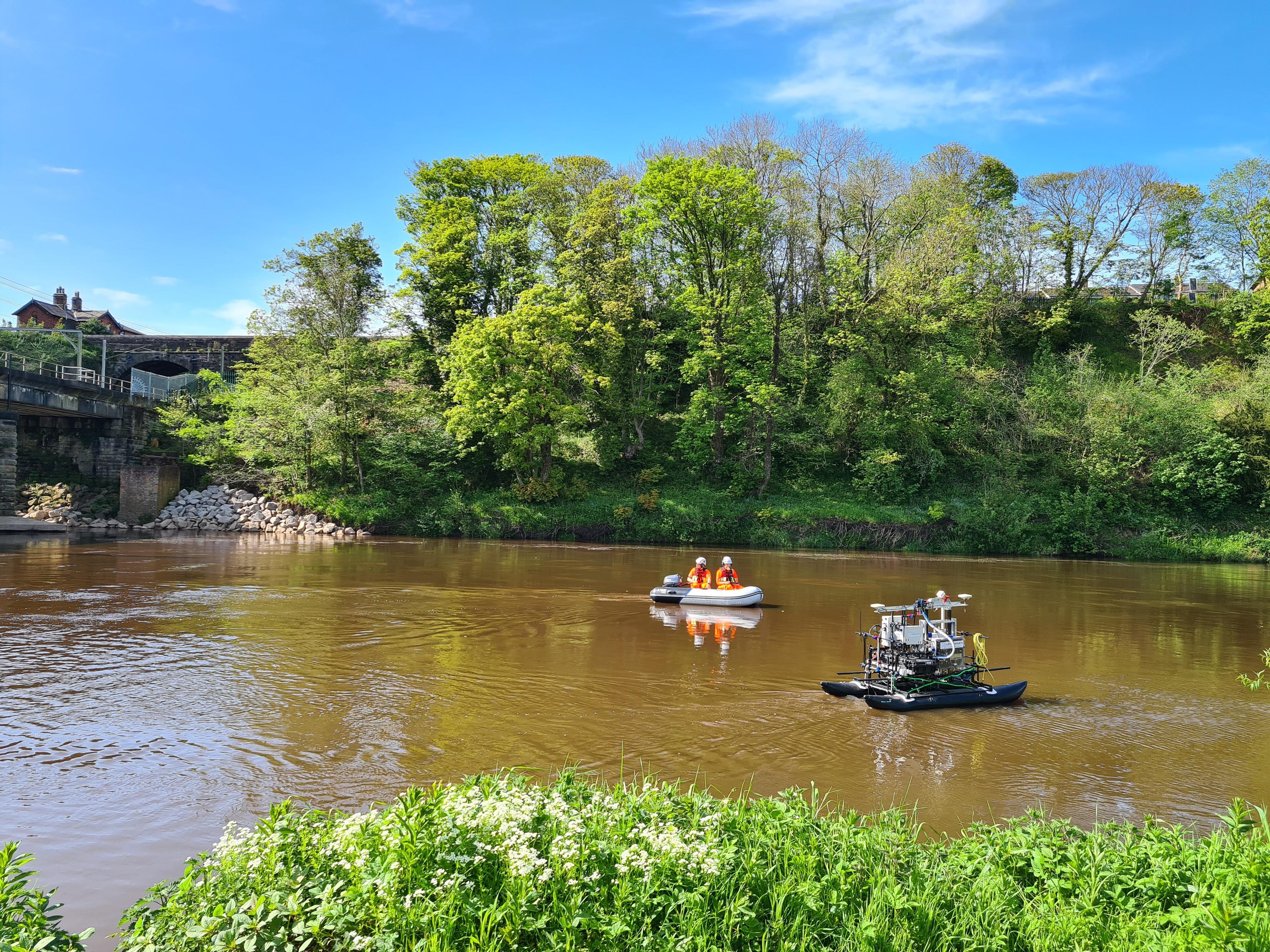
Ultrabeam, a specialist in hydrographic survey and underwater inspection, relies heavily on precise motion compensation to ensure accuracy in their 3D mapping projects. By integrating Norwegian Subsea’s compact, calibration-free Motion Reference Units (MRUs), Ultrabeam has significantly improved its survey data accuracy, while enjoying simplified integration, and enhanced operational efficiency in diverse surveying environments, from bridges, to offshore installations.

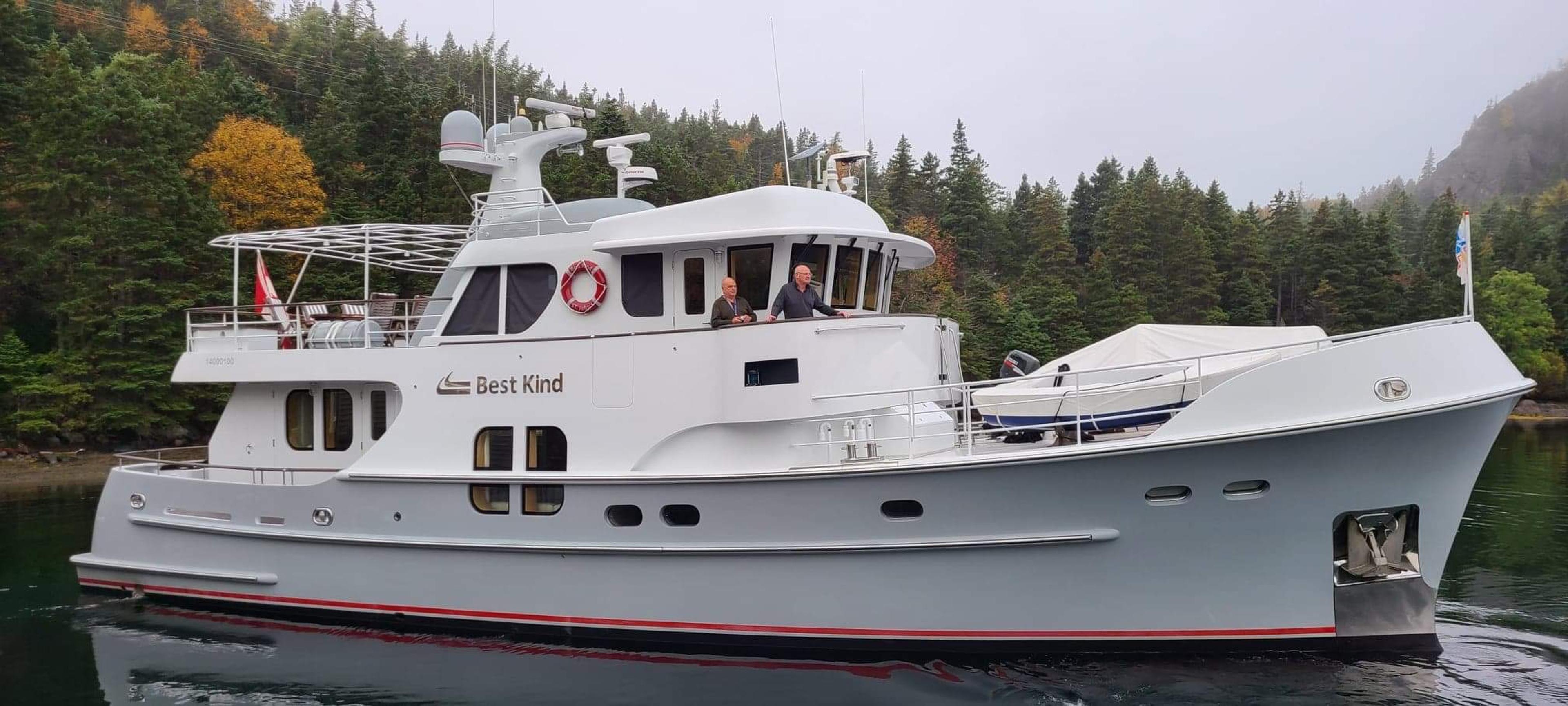
Motion Reference Units (MRUs) are crucial in bathymetric survey technology, providing precise motion compensation data to ensure reliable and accurate seafloor mapping. For users like Captain Sid Hynes, a seasoned mariner exploring Newfoundland’s shipwreck-rich waters, the Norwegian Subsea MRU has redefined what is possible, delivering exceptional performance even in incredibly challenging conditions.

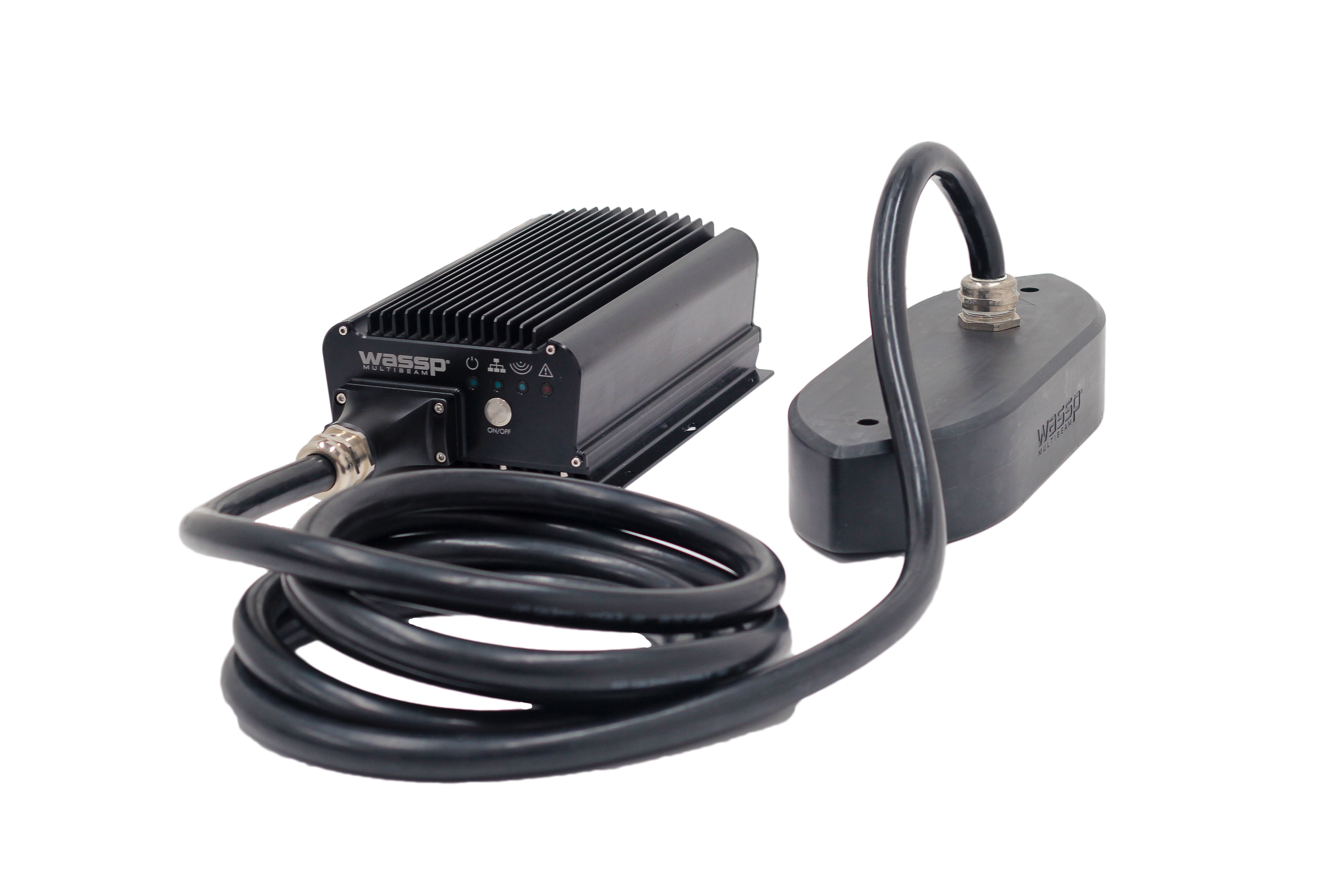
Norwegian Subsea’s Motion Reference Units (MRUs) are now available integrated with WASSP’s multibeam sonar systems, offering enhanced motion data accuracy and performance for offshore applications.