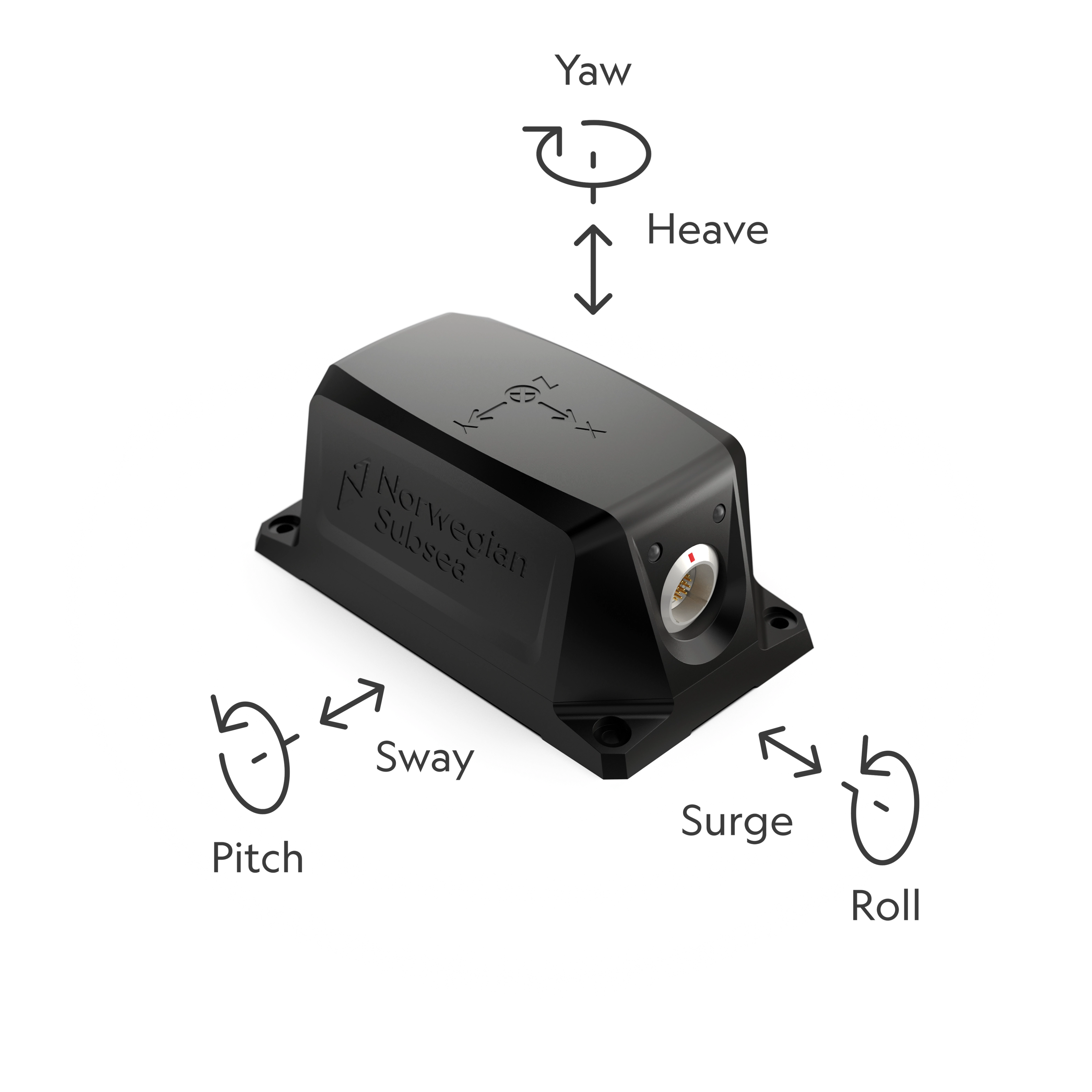
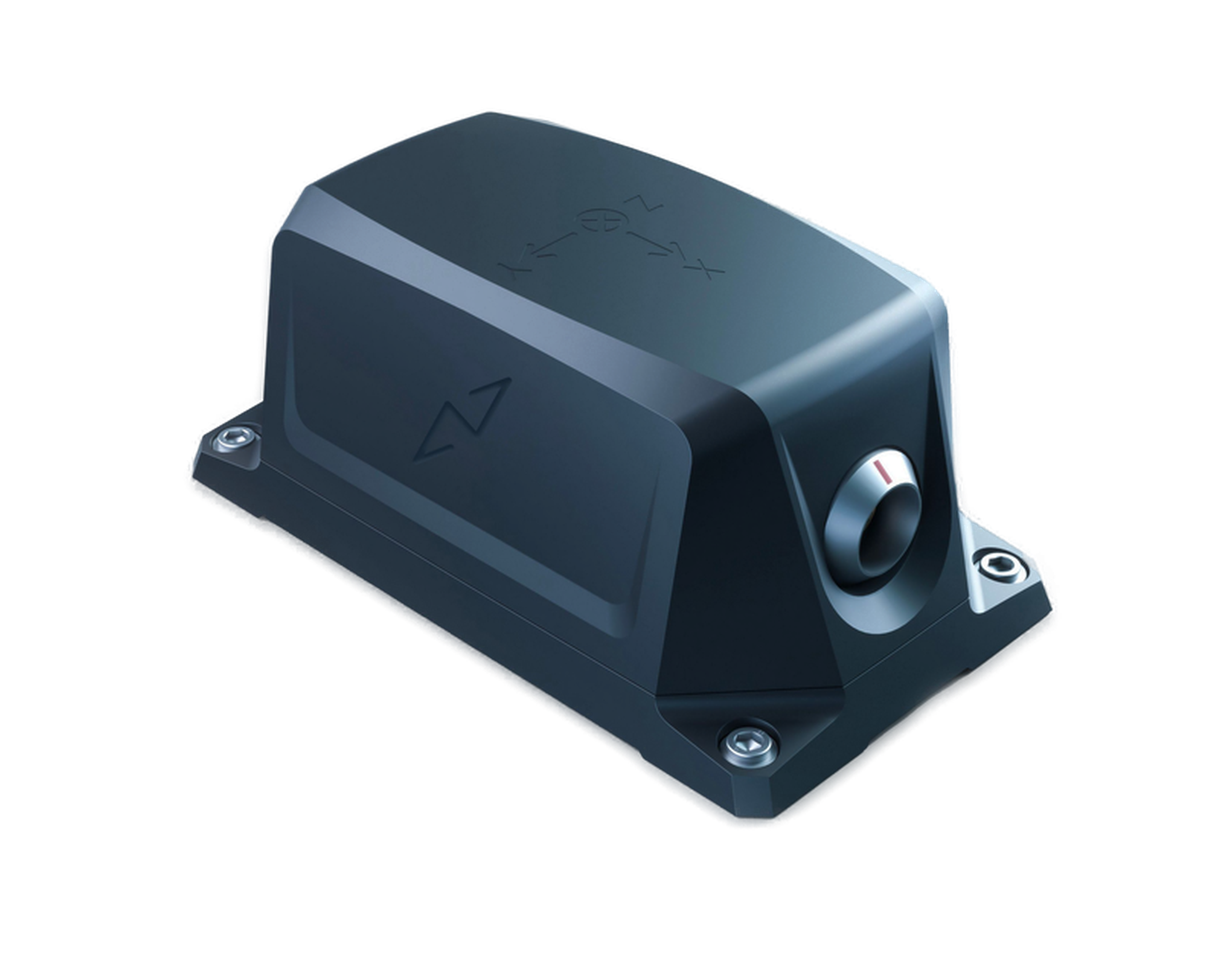
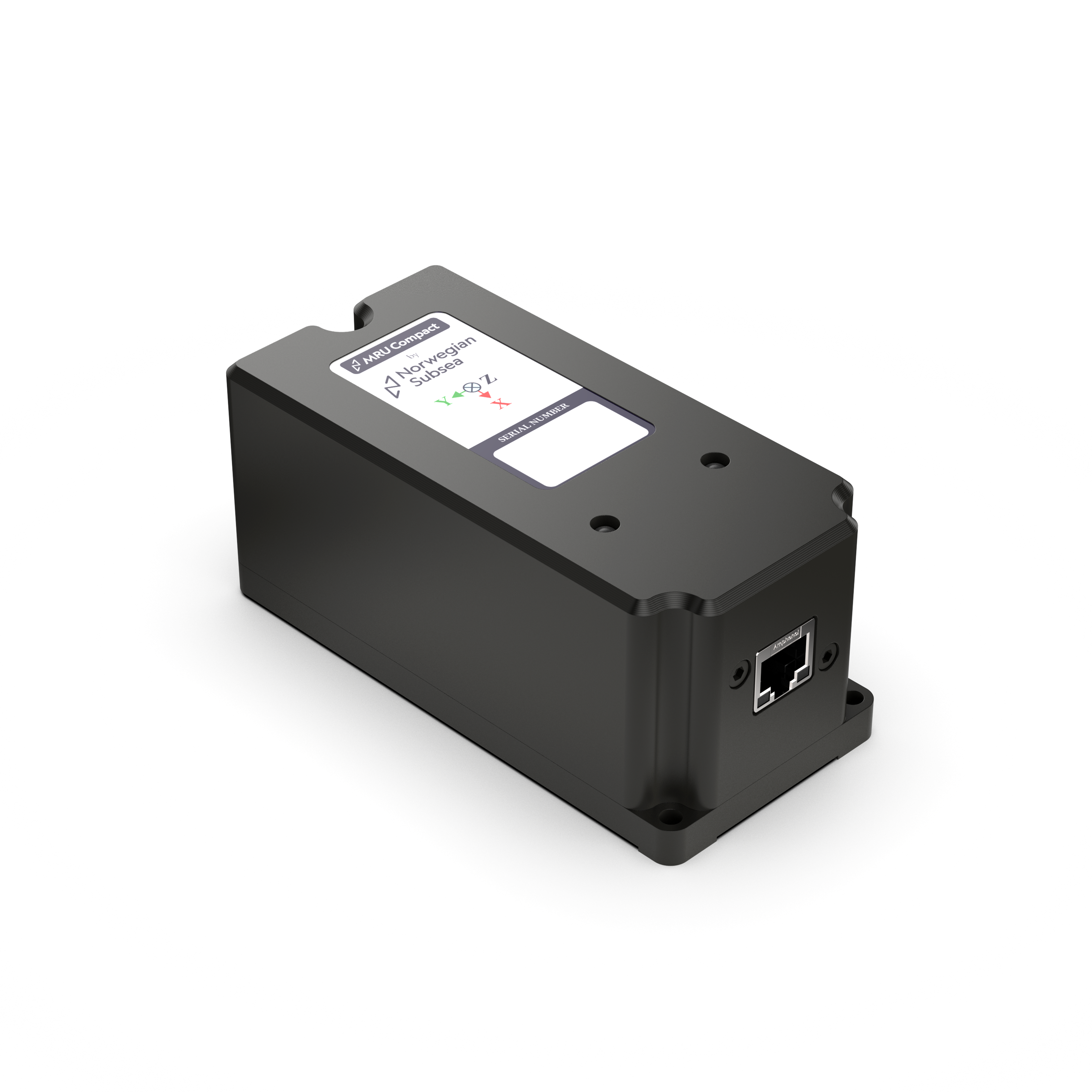
Motion Reference Units (MRUs) enhance both regulatory compliance and insurance relations for CTV operators by providing verified motion data that documents safe operations, supports transparent reporting, and protects against liability — particularly in the high-frequency, high-exposure environment of offshore wind crew transfer.
Safety Standards Documentation
Accurate motion data helps CTV operators demonstrate compliance with regulations governing passenger vessel safety and crew transfer operations, including IMO SOLAS requirements and offshore wind-specific standards set by national maritime authorities and wind farm operators.
Data for Incident Investigation
In the event of an incident, whether during transit or at the point of turbine contact — MRU data provides a precise log of vessel motion, heave behaviour, and sea conditions at the time. This factual record is critical for investigations by maritime authorities or wind farm owners, and helps operators demonstrate that the transfer was conducted within approved operational limits.
Demonstrating Compliance with Insurance Conditions
CTV insurance policies typically require vessels to operate within defined sea state and motion limits. MRU data allows operators to document continuous compliance with these conditions across every run, supporting smoother claims processing and reducing the risk of denied or disputed coverage.
Verification of Incident Circumstances
In cases of personnel injury, vessel damage, or turbine contact incidents, MRU data provides a factual account of vessel motion and heave at the moment of the incident. This protects operators against unfounded liability claims and provides the transparency required by both insurers and wind farm operators when assessing responsibility.