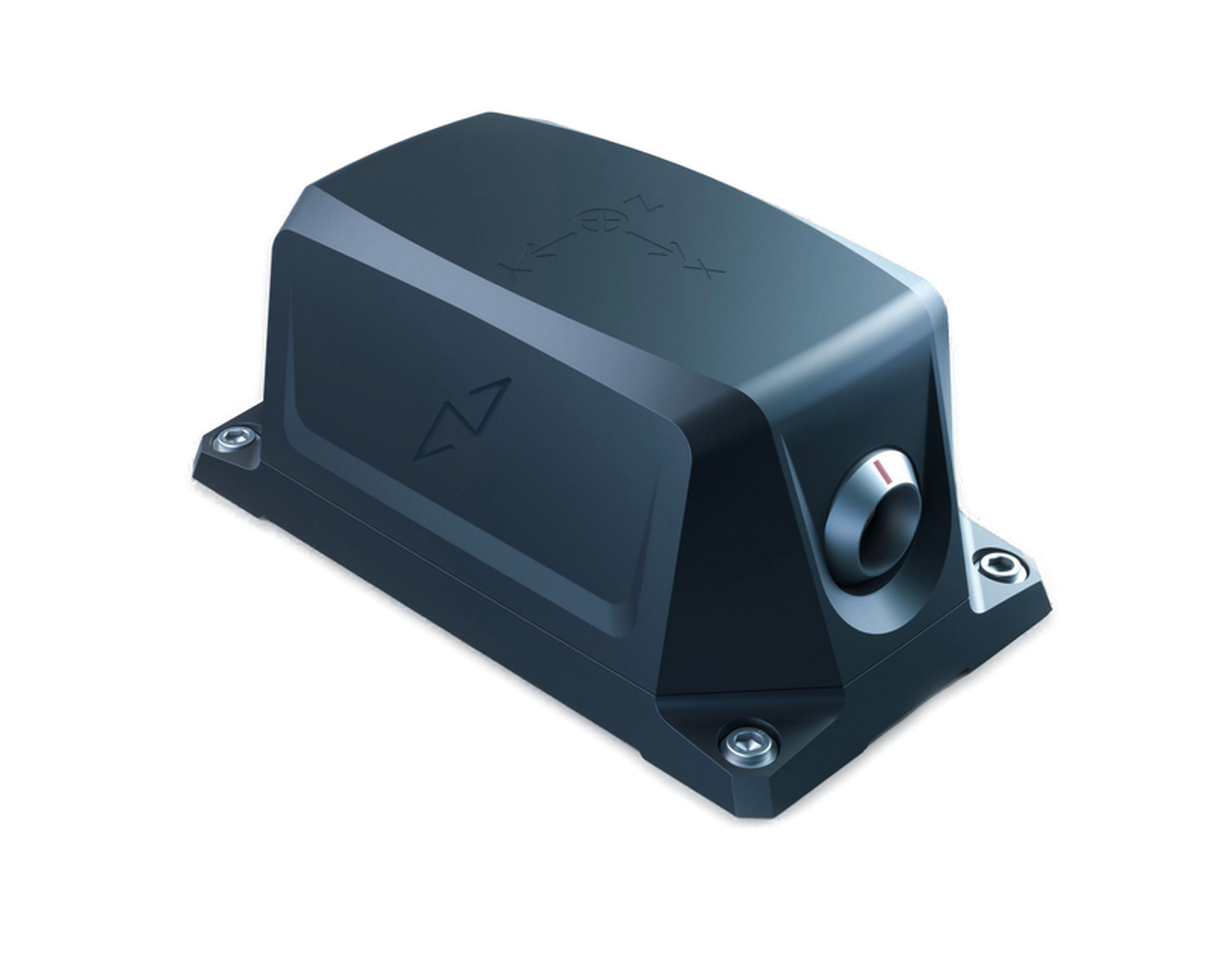
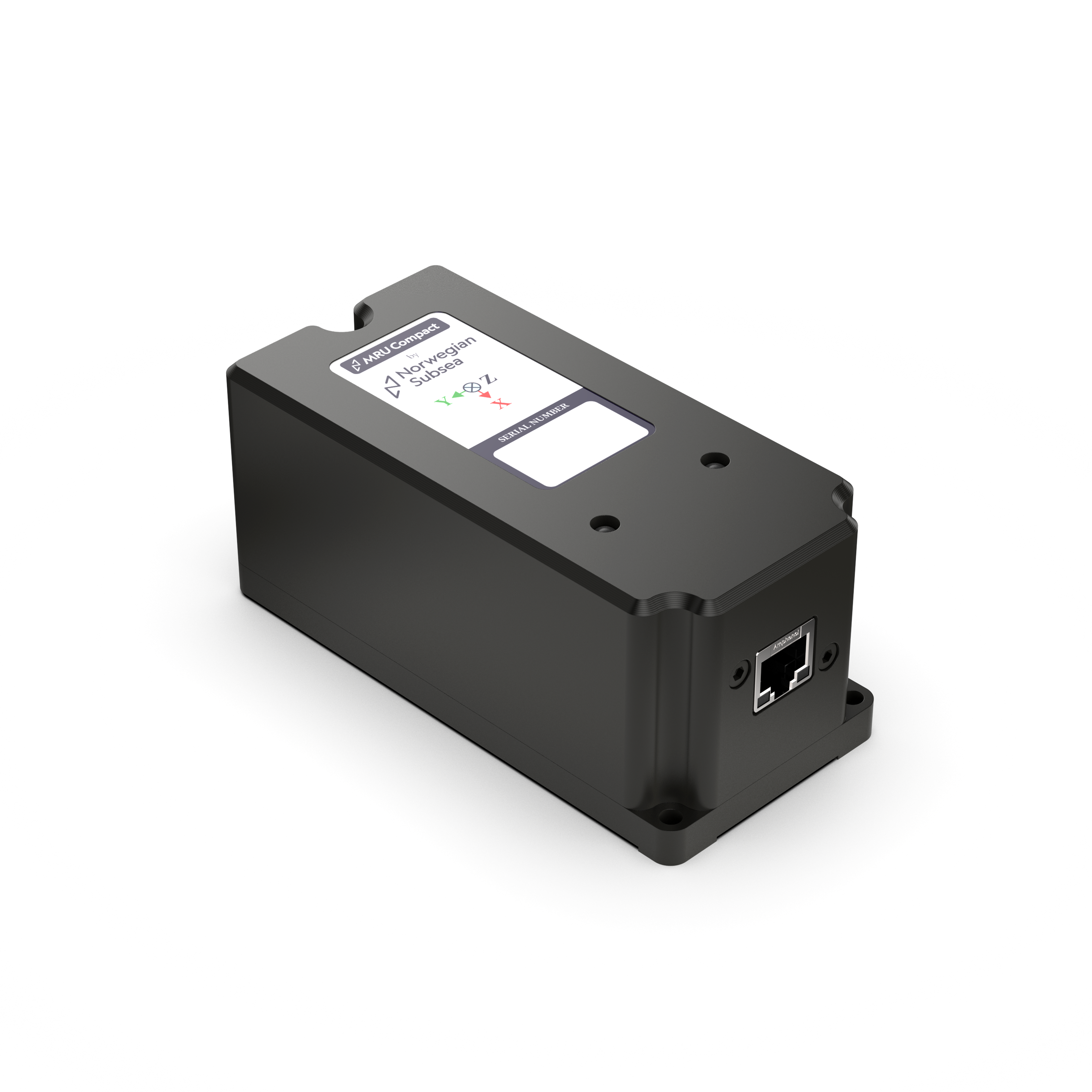
Parametric roll is one of the most dangerous and destructive dynamic stability phenomena affecting large ocean-going vessels, capable of generating extreme roll angles within just a few wave cycles and with little warning. Container vessels and RoRo vessels are particularly vulnerable due to their hull geometry, high centre of gravity and the large amounts of cargo they carry. Even moderate parametric roll can cause containers to break free, cargo to shift, or lashing systems to fail. Accurate motion measurements are the foundation of any effective parametric roll early warning system.
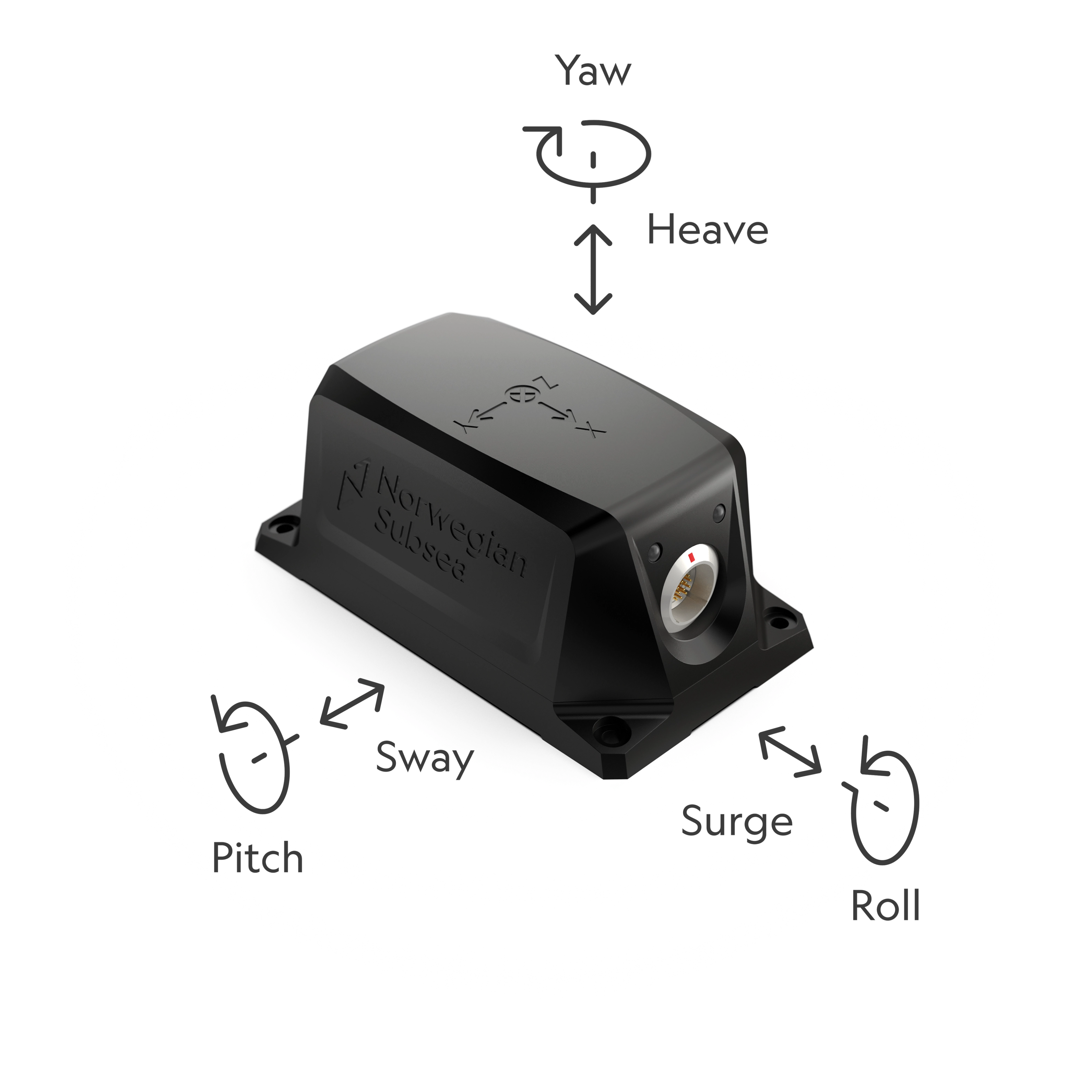

Parametric roll occurs when a vessel's natural roll frequency is excited by wave encounter conditions at approximately twice the vessel's natural roll period, causing roll amplitudes to grow rapidly in a self-reinforcing cycle. Unlike wind-induced heel or standard wave-induced roll, parametric roll can develop in head or following seas where crews have little visual warning of the building resonance condition. By the time excessive rolling is visible from the bridge, the phenomenon may already be fully developed, making early detection through accurate sensor data essential.
A Motion Reference Unit continuously measures roll, pitch, heave and all six degrees of freedom in real time, giving early warning systems the precise motion data needed to detect the onset of parametric roll resonance before it reaches dangerous amplitudes. The accuracy of this data in irregular, coupled sea conditions is critical. An MRU that performs well only in simple sine wave motion but degrades in real sea conditions cannot provide the reliable detection that a parametric roll warning system demands.
Norwegian Subsea MRUs are specifically validated in irregular and multi-directional real sea conditions, making them well suited as the motion input to early warning algorithms. Real-time MRU data can be feed directly into voyage management and autopilot systems, enabling operators to take corrective action by adjusting heading or speed to break out of the resonance condition before cargo damage or structural harm occurs. For container operators and RoRo operators seeking to meet tightening class society requirements around onboard monitoring and digital safety systems, fitting an accurate MRU is both the logical and increasingly expected first step.


Parametric roll is not only an operational safety risk. It is increasingly a regulatory and insurance liability issue for container operators and RoRo operators. High-profile cargo loss incidents involving parametric roll have brought the phenomenon under direct scrutiny from class societies, flag states and insurance companies, and the expectation that operators have adequate onboard monitoring in place is growing.
IMO and major classification societies including DNV and ABS are actively developing requirements and notations around onboard stability and motion monitoring. DNV's SMART notation and ABS equivalents explicitly require continuous real-time motion data as part of documented structural and operational monitoring. An MRU providing accurate, time-stamped roll, pitch and heave data is the baseline sensor input these frameworks depend on.
In the event of a parametric roll incident resulting in cargo loss or structural damage, MRU data provides the factual record of vessel motion before, during and after the event. This is critical for investigations by flag state authorities, class surveyors and cargo claimants.
Insurance companies are increasingly focused on whether operators have adequate monitoring systems in place for known stability risks. An onboard MRU with a parametric roll early warning system demonstrates a proactive approach to risk management, which can directly influence coverage terms and claims outcomes.
MRU motion records provide insurers and marine surveyors with an objective basis to assess the severity of conditions at the time of a cargo loss, protecting operators against inflated claims and supporting fair liability assessments.

50 m depth, IP 68
5 cm or 5.0%
Lemo or SubConn 8 or SubConn 16

IP 65
5 cm or 5.0%
RJ45 or RJ50
"They are rock solid. Many Norwegian Subsea MRUs have been running 24/7 inside Miros products for up to eight years without issue, producing real-time data every second."

"Norwegian Subsea MRUs had the accuracy, the temperature range, and the enterprise-level quality we required"