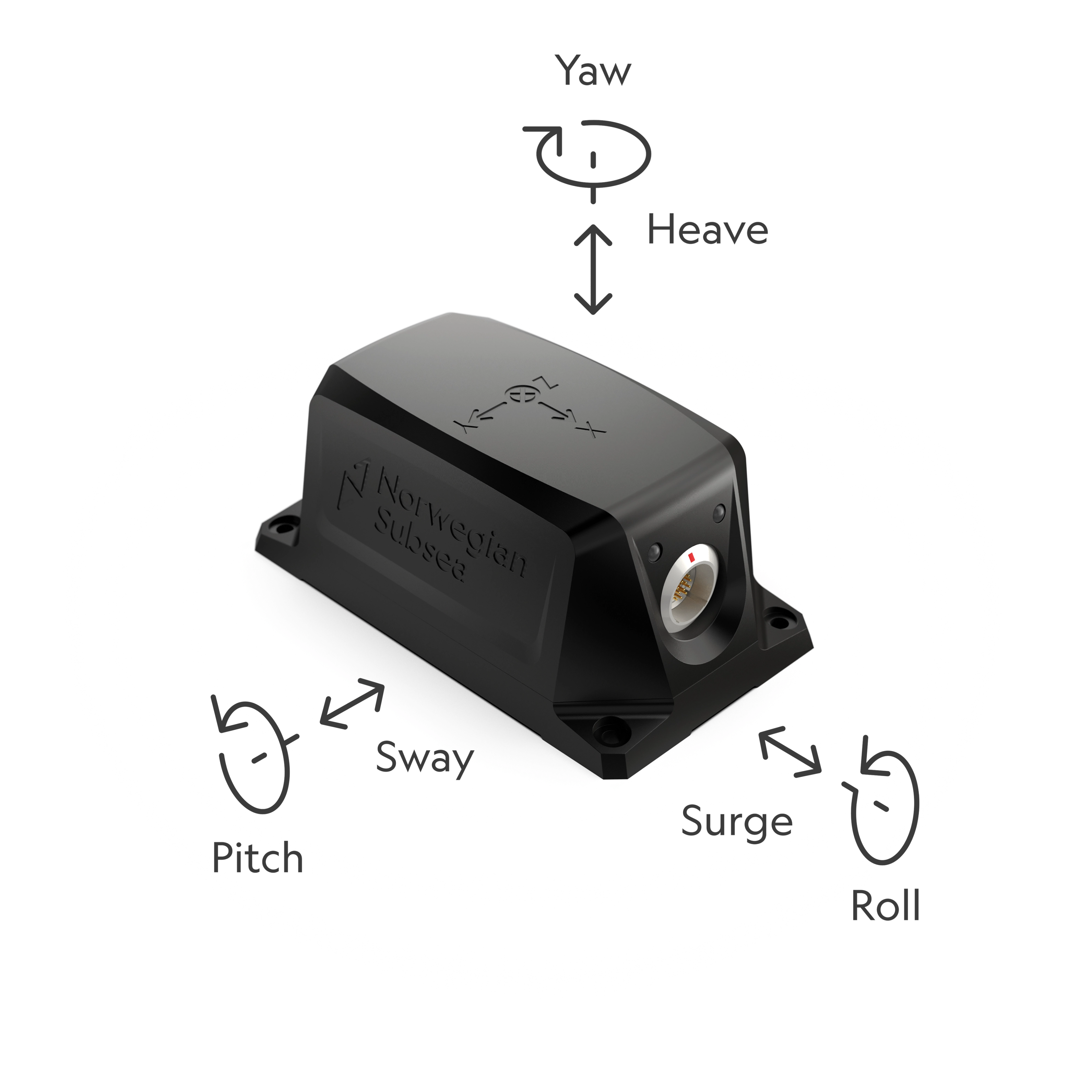
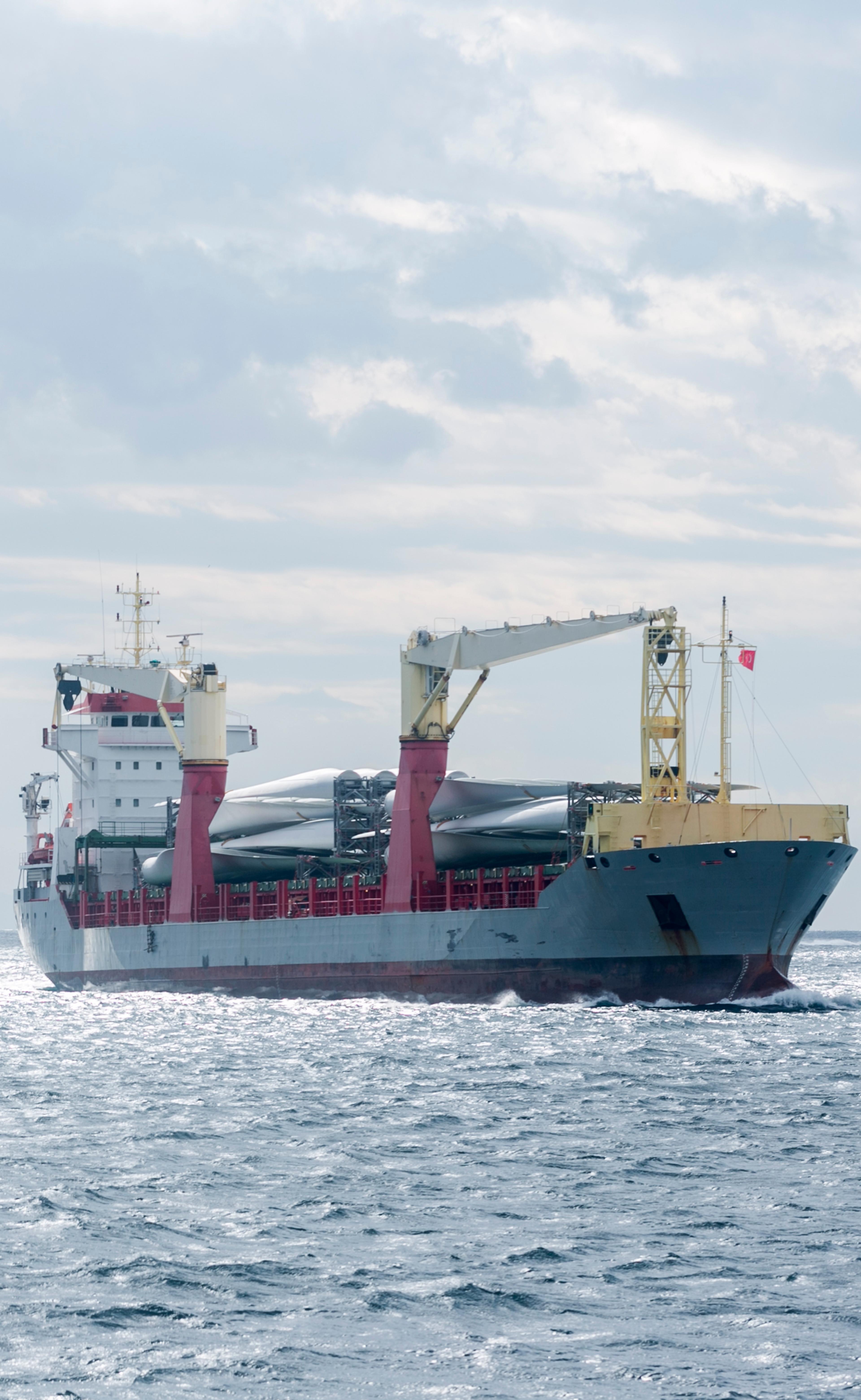
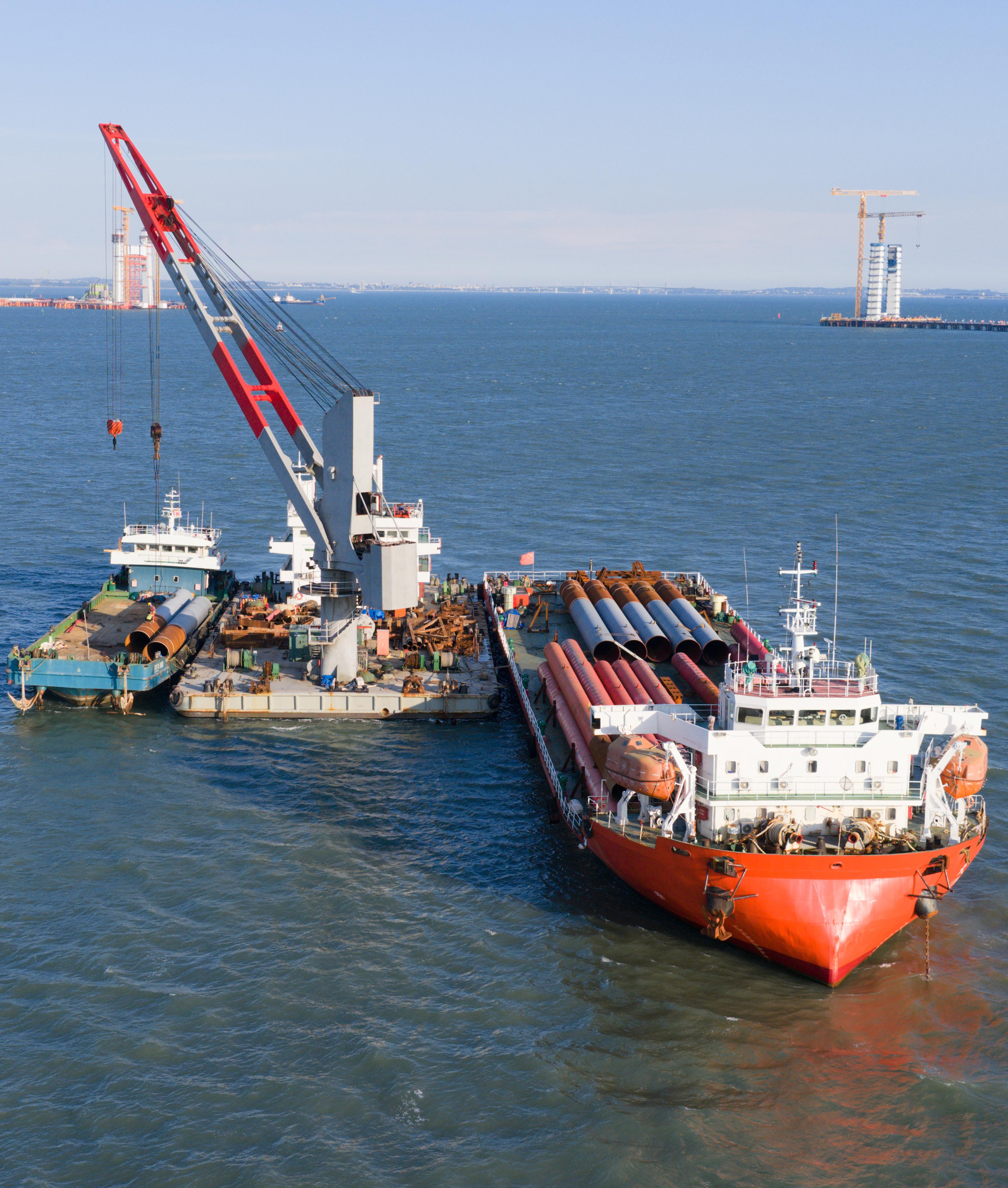
Precise motion measurements are essential for heavy lift vessel operations, where the margin for error is minimal and the consequences of cargo movement can be severe. From load-out and sea fastening verification to offshore lifts and heavy transport, accurate motion data underpins every critical phase of the operation. With accurate real-time data on roll, pitch, heave, and all six degrees of freedom, Norwegian Subsea MRUs help heavy lift operators monitor dynamic loads and stability during lifting and transport.

Motion Reference Units (MRUs) are instrumental in ensuring cargo safety and operational control on heavy lift vessels by providing precise, real-time data on vessel motion. By integrating MRUs into safety and operational protocols, operators can significantly reduce risk during the most demanding phases of lifting, load-out, and transport.
Continuous motion measurements allow operators to track dynamic loads on both the cargo and vessel structure in real time, ensuring that forces remain within engineered limits throughout the lift cycle and during sea transport.
Understanding the vessel's motion characteristics at every stage allows for precise planning of cargo placement, ballasting, and weight distribution — critical factors when handling oversized or asymmetric loads where small imbalances can have serious consequences.
MRUs provide the real-time motion data needed to verify that sea conditions are within the approved operational limits for a given lift or transport operation, supporting go/no-go decisions and reducing exposure to unnecessary risk.
MRU measurements play a critical role in optimising propulsion and reducing fuel consumption on heavy lift vessels — yet this is still widely overlooked. MRU data establishes the correlation between sea conditions, vessel response, and main engine consumption, giving operators the insight needed to make smarter decisions on every voyage and during every operation.
With growing IMO reporting requirements, most heavy lift operators already have flowmeters integrated into their vessel performance software — but motion data remains a missing piece. Adding an MRU closes that gap, enabling more accurate performance benchmarking, emissions reporting, and documentation of sea conditions during critical lift and transport operations.
Motion data feeds directly into digital twin models, fuel optimisation algorithms, and predictive maintenance systems. For heavy lift operations, this means continuous monitoring of dynamic loads and real-time stability assessment — ensuring that both the vessel and its cargo remain within safe operating limits throughout lifting, seafastening, and transport phases.


Motion Reference Units (MRUs) enhance both regulatory compliance and insurance relations for heavy lift operators by providing verified motion data that documents safe operations, supports transparent reporting, and protects against liability in the event of incidents or claims.
Accurate motion data helps heavy lift operators demonstrate compliance with international regulations governing stability, structural loads, and lifting operations, including IMO SOLAS requirements and project-specific marine warranties issued by surveyors and classification societies.
Data for Incident Investigation: In the event of an incident during a lift or transport operation, MRU data provides a precise log of vessel motion, dynamic loads, and sea conditions at the time. This factual record is invaluable for regulatory investigations and helps operators demonstrate that operations were conducted within approved parameters.
Heavy lift operations typically require Marine Warranty Surveyor (MWS) approval, with strict operational limits on vessel motion and sea state. MRU data allows operators to document continuous compliance with these conditions, supporting smoother claims processing and reducing the risk of disputed coverage.
In cases of cargo damage, structural incidents, or personnel injuries during lifting or transport, MRU data provides a factual account of vessel motion and dynamic loading at the time of the incident. This supports liability assessment, validates adherence to approved procedures, and reduces disputes with insurers and project owners over responsibility.

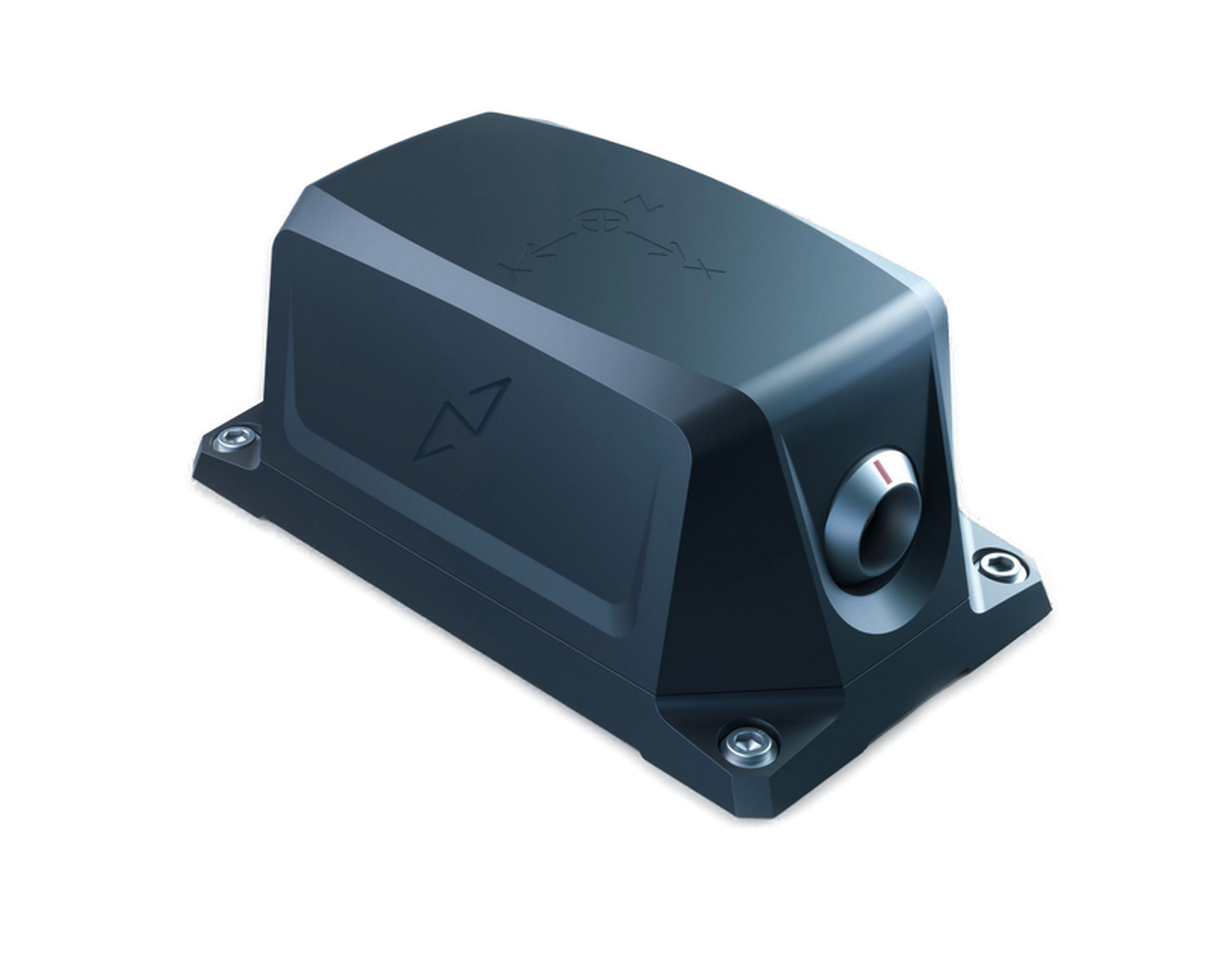
50 m depth, IP 68
5 cm or 5.0%
Lemo or SubConn 8 or SubConn 16

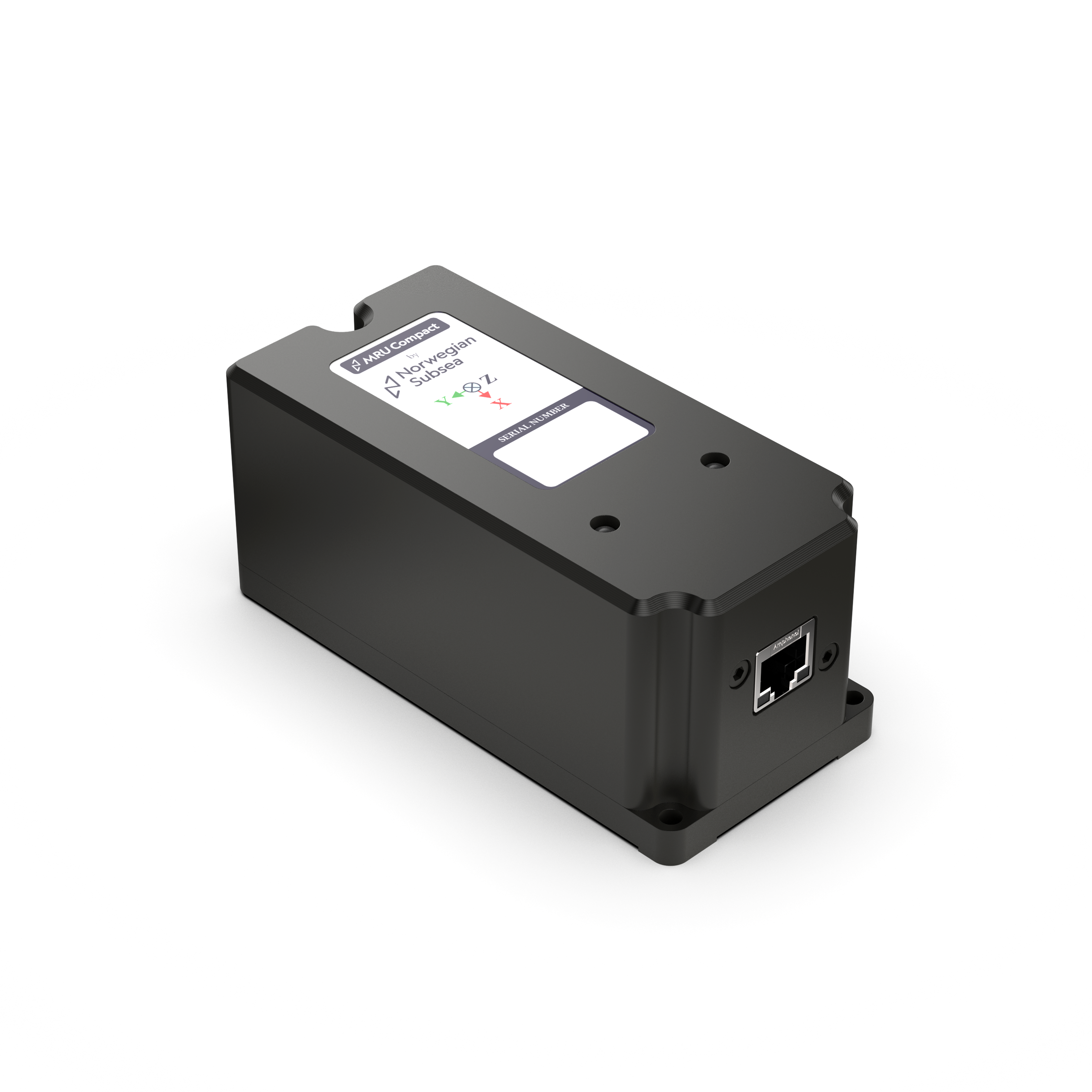
IP 65
5 cm or 5.0%
RJ45 or RJ50
"Norwegian Subsea MRUs had the accuracy, the temperature range, and the enterprise-level quality we required"

"They are rock solid. Many Norwegian Subsea MRUs have been running 24/7 inside Miros products for up to eight years without issue, producing real-time data every second."