Dredging operations demand precise knowledge of both vessel motion and equipment orientation at every stage of the work, from the surface vessel down to the cutting head or draghead on the seabed. Whether operating a Trailing Suction Hopper Dredger, a Cutter Suction Dredger, a grab dredger, or a water injection dredger, accurate real-time motion data is fundamental to dredging accuracy, equipment protection, and operational efficiency.
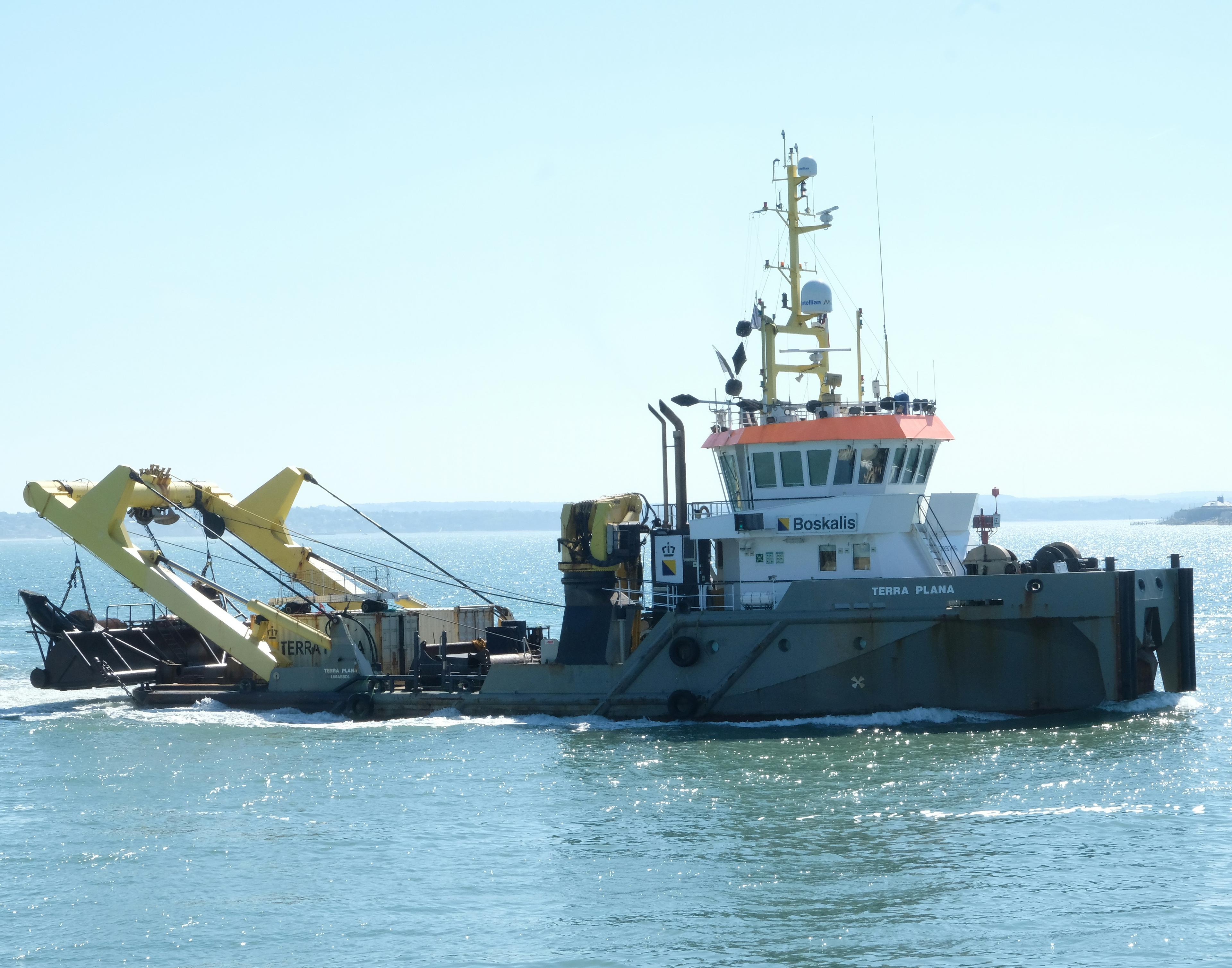
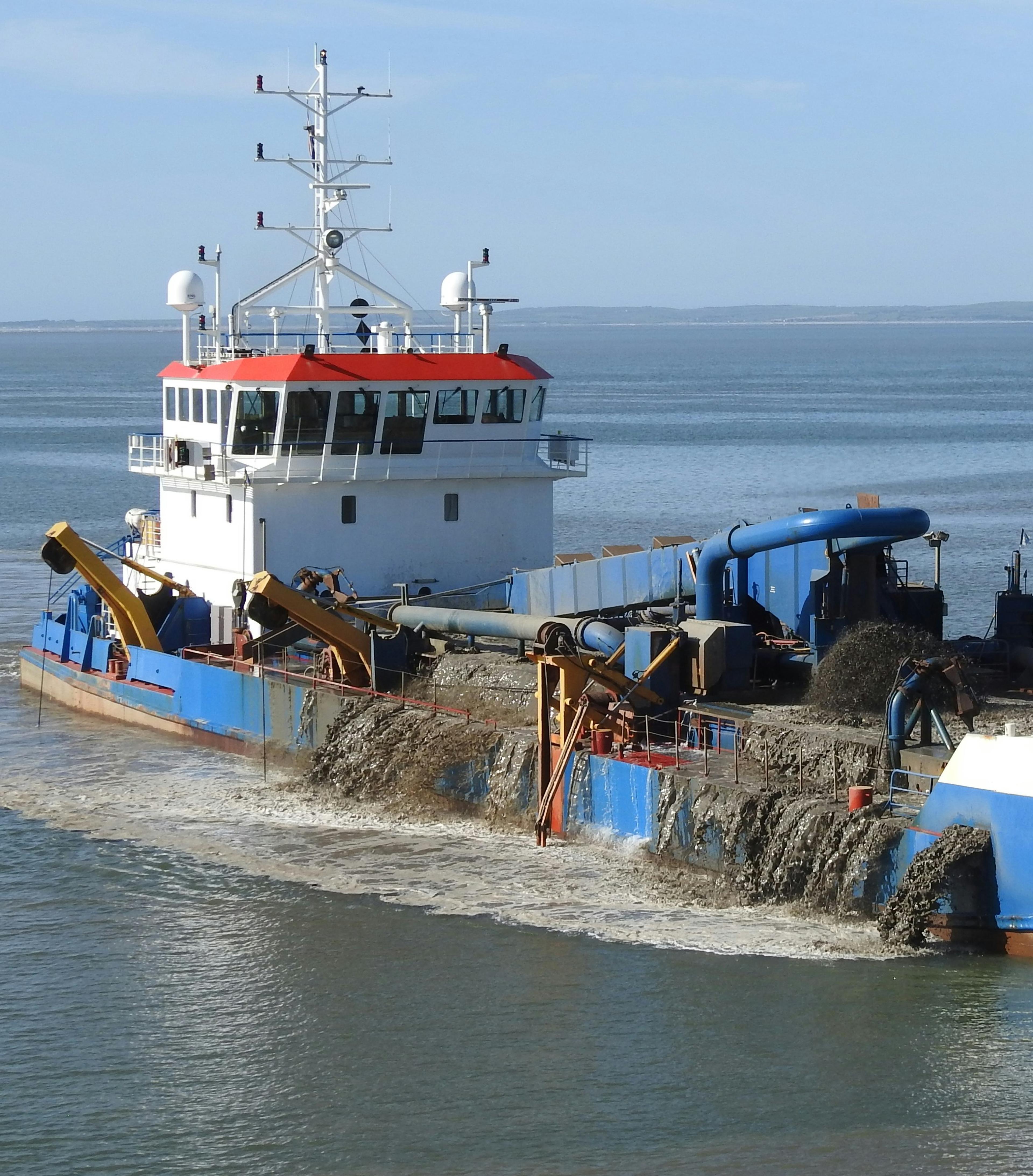
On Trailing Suction Hopper Dredgers (TSHD), vessel roll, pitch, and heave propagate through the dragarm geometry and directly influence the position and orientation of the draghead at the seabed. Without proper motion compensation, this introduces errors in dredging depth and track, leading to overdepth, underdepth, and increased need for post-dredge survey corrections.
On Cutter Suction Dredgers (CSD), accurate knowledge of the cutter ladder and cutting head orientation relative to the seabed is essential. MRUs provide vessel-referenced attitude data which, combined with ladder angle sensors and positioning systems, enables precise control of cut depth and geometry.
For spud-based dredgers, although the vessel is partially fixed, residual wave-induced motion and vessel tilt still affect dredging accuracy. MRU data is therefore important for compensating these effects and maintaining consistent positioning and cutting performance during dredging operations.
Beyond the primary dredging equipment, dynamic positioning (DP) systems on modern dredging vessels utilize MRU input as part of the sensor suite for motion compensation of GNSS antennas and improved station-keeping performance, particularly on DP-equipped CSD and TSHD vessels operating in exposed environments.
Hydrographic survey sonars used for pre- and post-dredge seabed mapping also rely on accurate MRU-based motion compensation to ensure reliable bathymetric data. Without proper correction of vessel motion, sonar measurements are degraded, leading to depth errors and reduced data quality. As a result, the MRU often serves both the dredging control system and the survey system, either as a shared data source or through distributed installations.
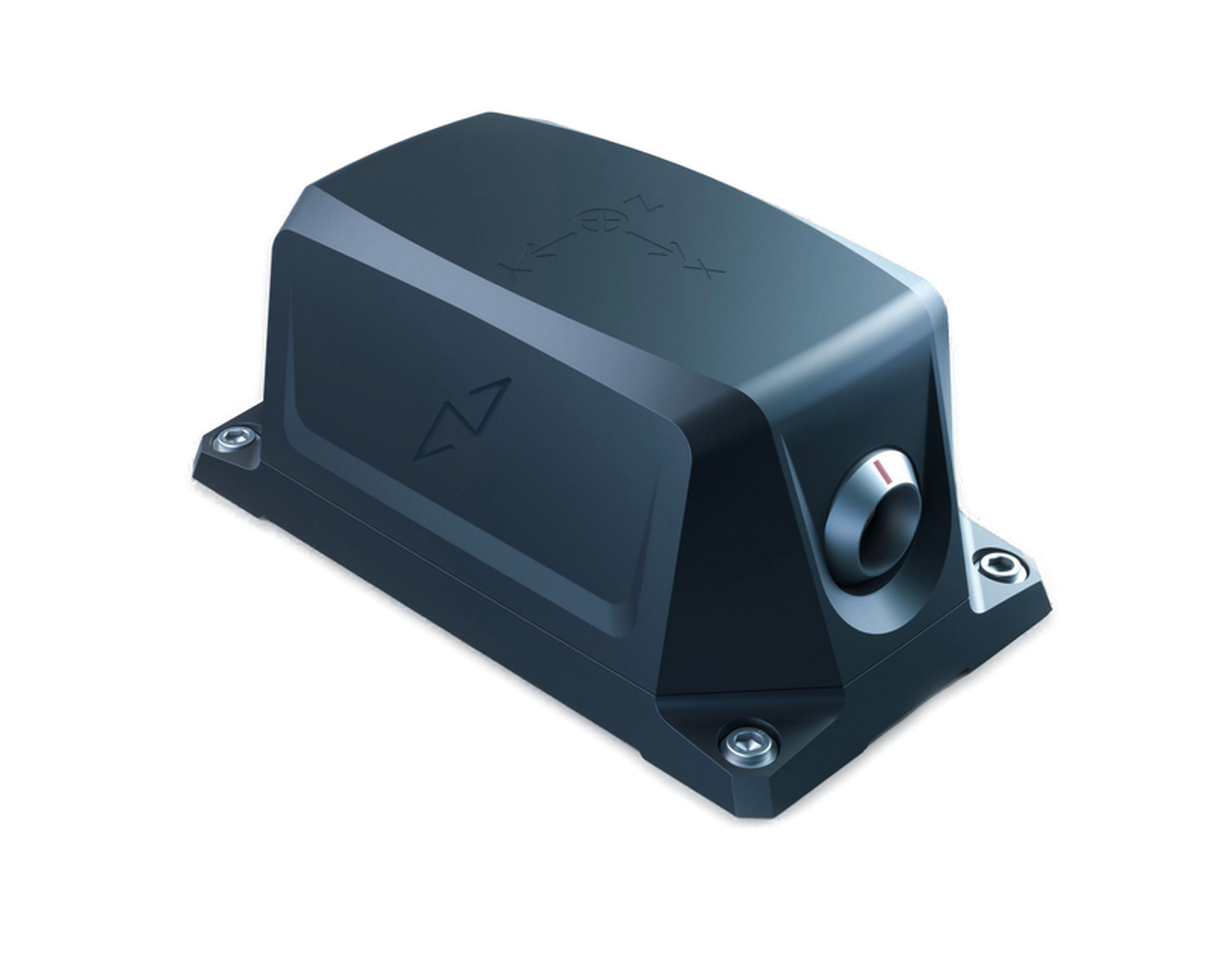
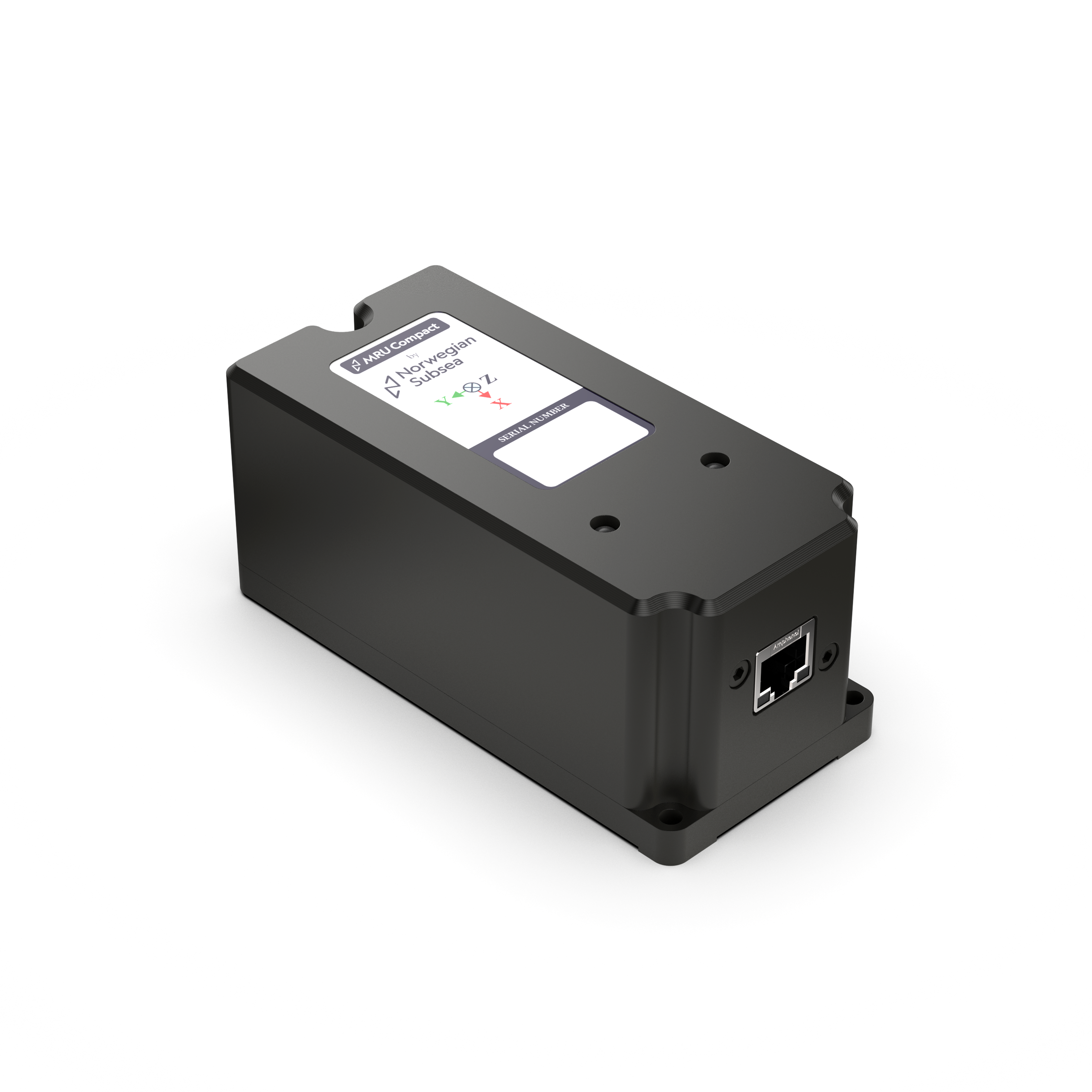
Norwegian Subsea MRUs are compact, robust, and designed for easy integration, supporting a wide range of industry-standard communication protocols and delivering accurate 6DOF motion data. Their form factor and performance make them well suited to multi-point installation architectures typical of modern dredging vessels, where motion measurements are required both at the vessel reference point and close to critical equipment such as dragheads, cutter ladders, and survey sensors.


50 m depth, IP 68
5 cm or 5.0%
Lemo or SubConn 8 or SubConn 16

IP 65
5 cm or 5.0%
RJ45 or RJ50
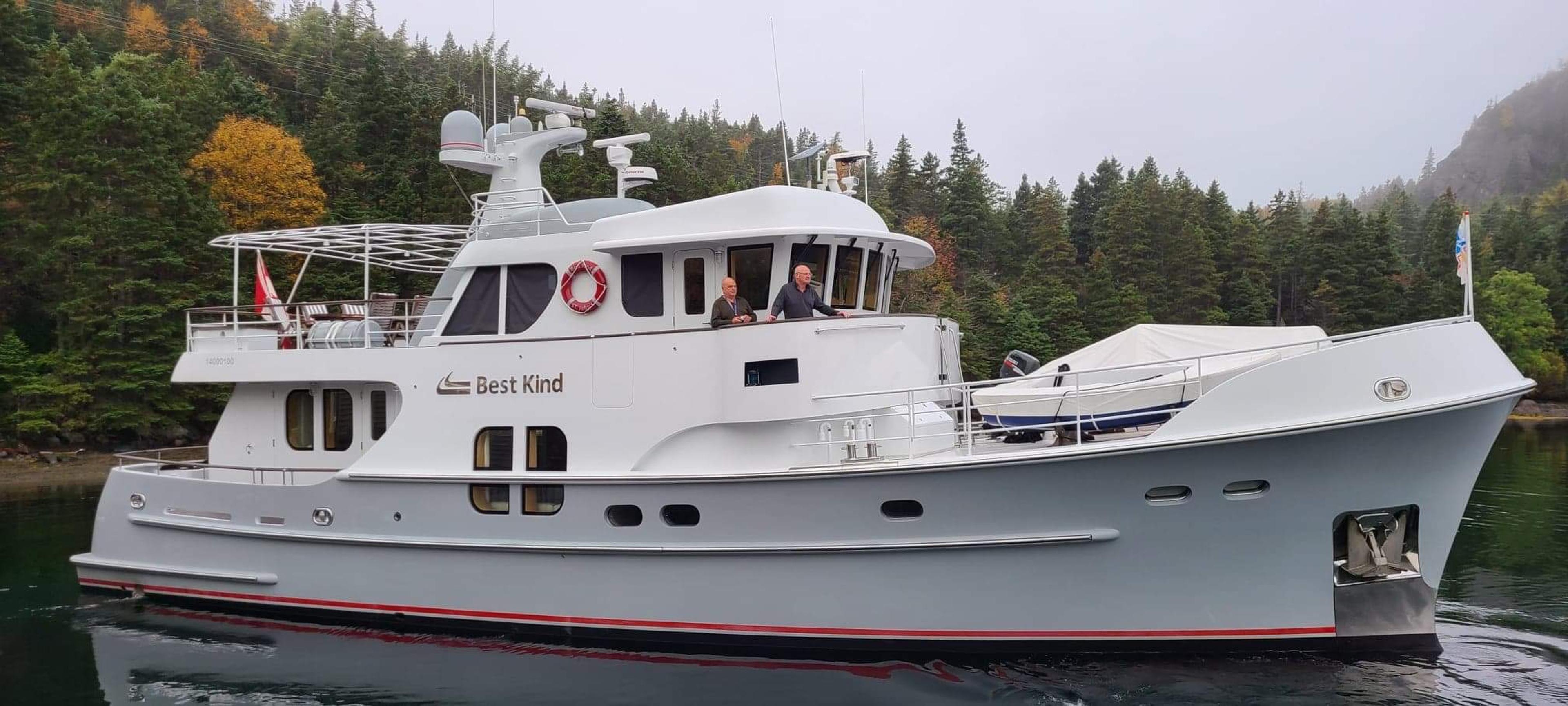
"With the Norwegian Subsea MRU, our customers get a system that is easy to use, highly accurate, and doesn’t require a massive learning curve. The results speak for themselves."

"The swells can be so bad, but the Norwegian Subsea MRU manages them better than most. It really makes multibeam surveys work in ways I could not achieve before."

"Norwegian Subsea MRUs had the accuracy, the temperature range, and the enterprise-level quality we required"

"They are rock solid. Many Norwegian Subsea MRUs have been running 24/7 inside Miros products for up to eight years without issue, producing real-time data every second."