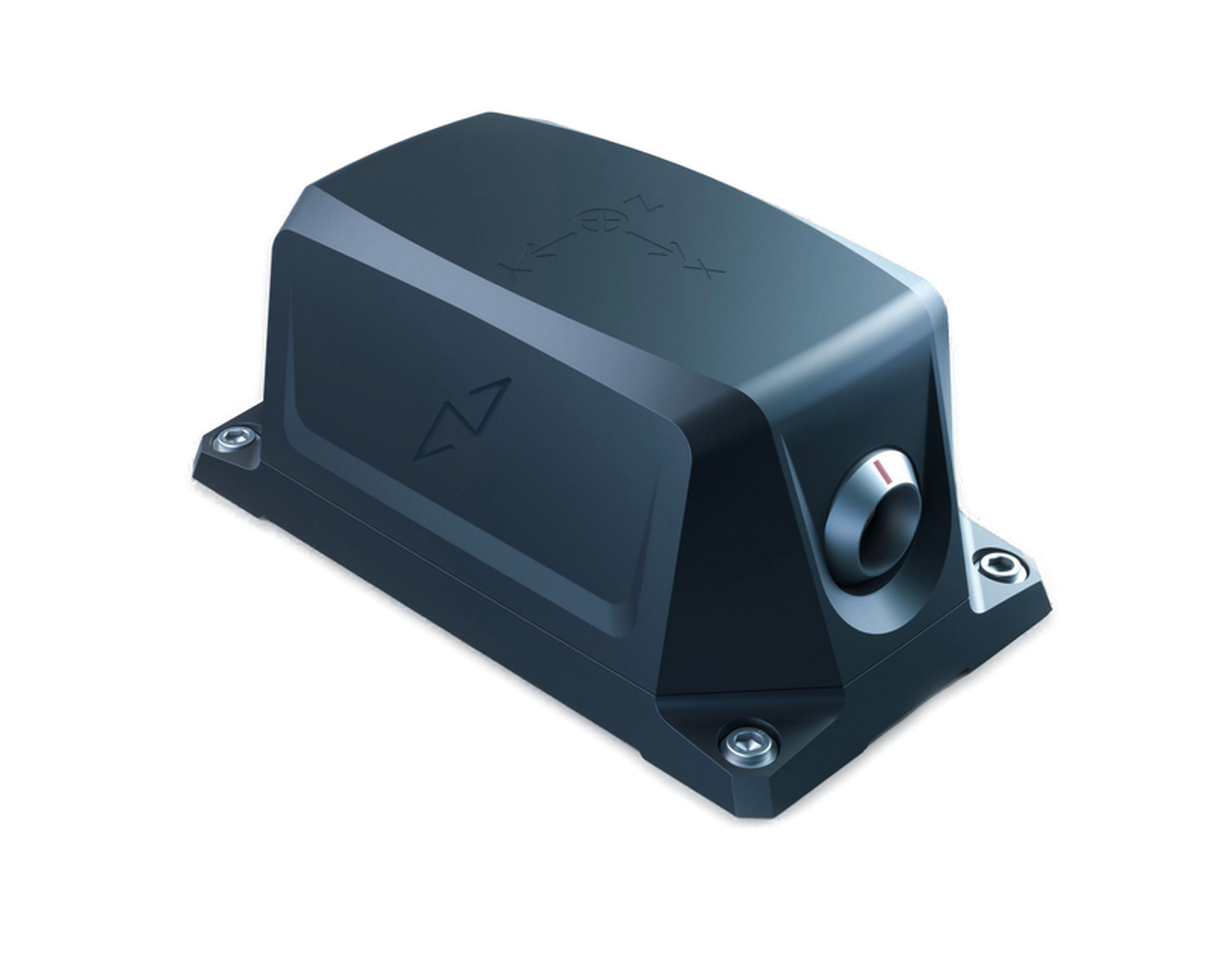
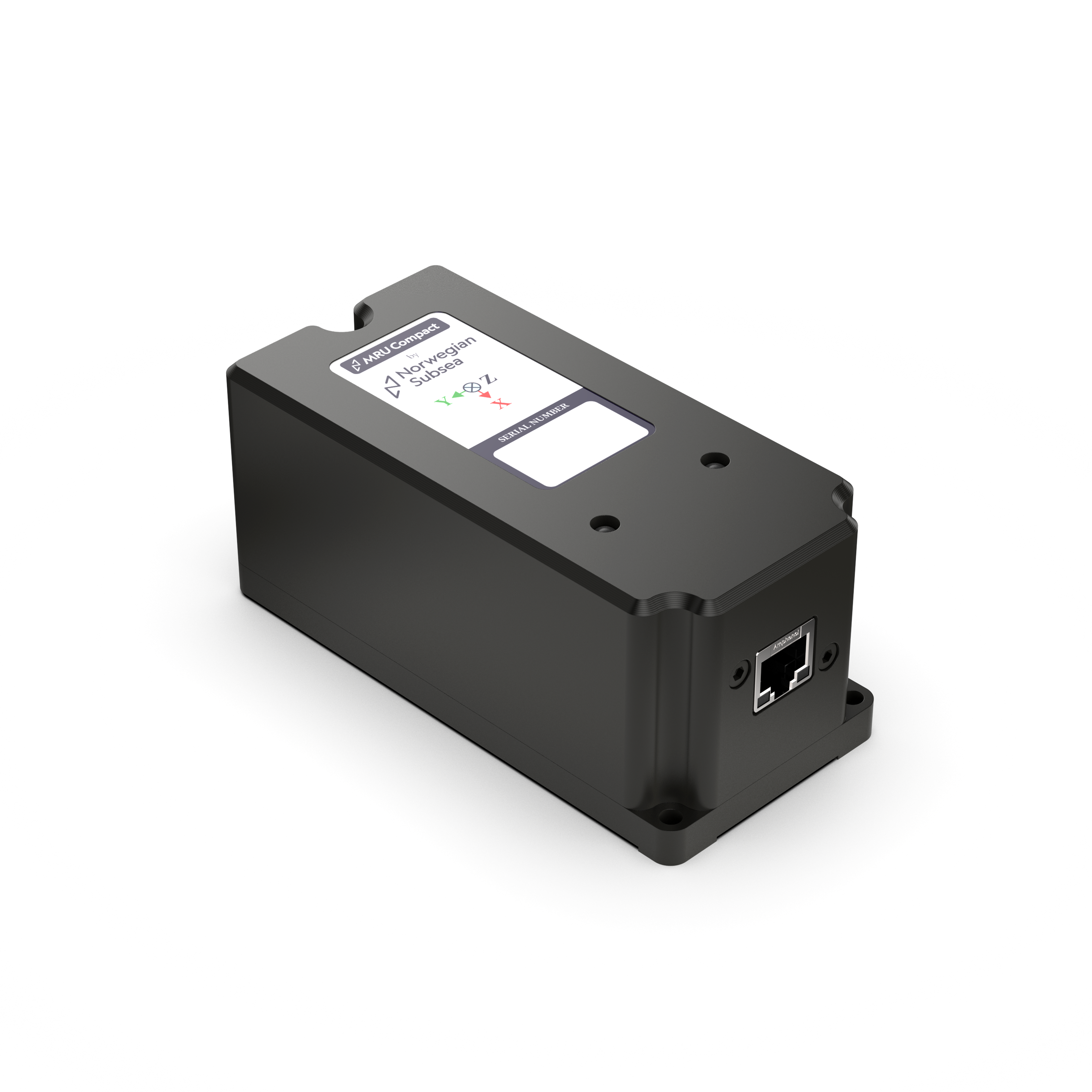
Digital twins of ships and offshore assets are rapidly moving from concept to operational reality. A digital twin is only as accurate as the real-world data it receives, and for any maritime or offshore asset operating at sea, accurate motion measurements are the essential foundation of the model. Norwegian Subsea MRUs provide the continuous, high-accuracy 6DoF motion data that digital twin platforms depend on to reflect actual operating conditions.
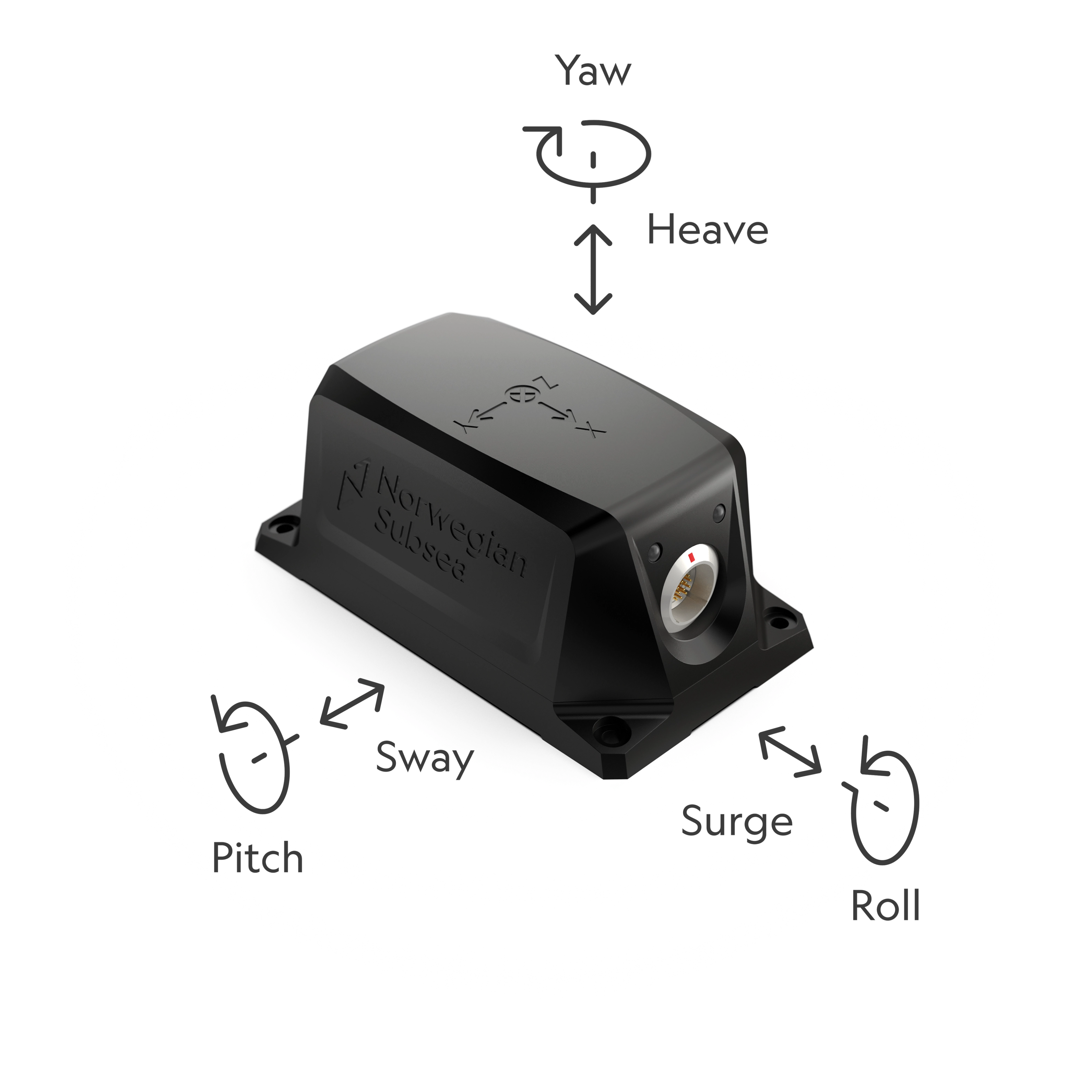
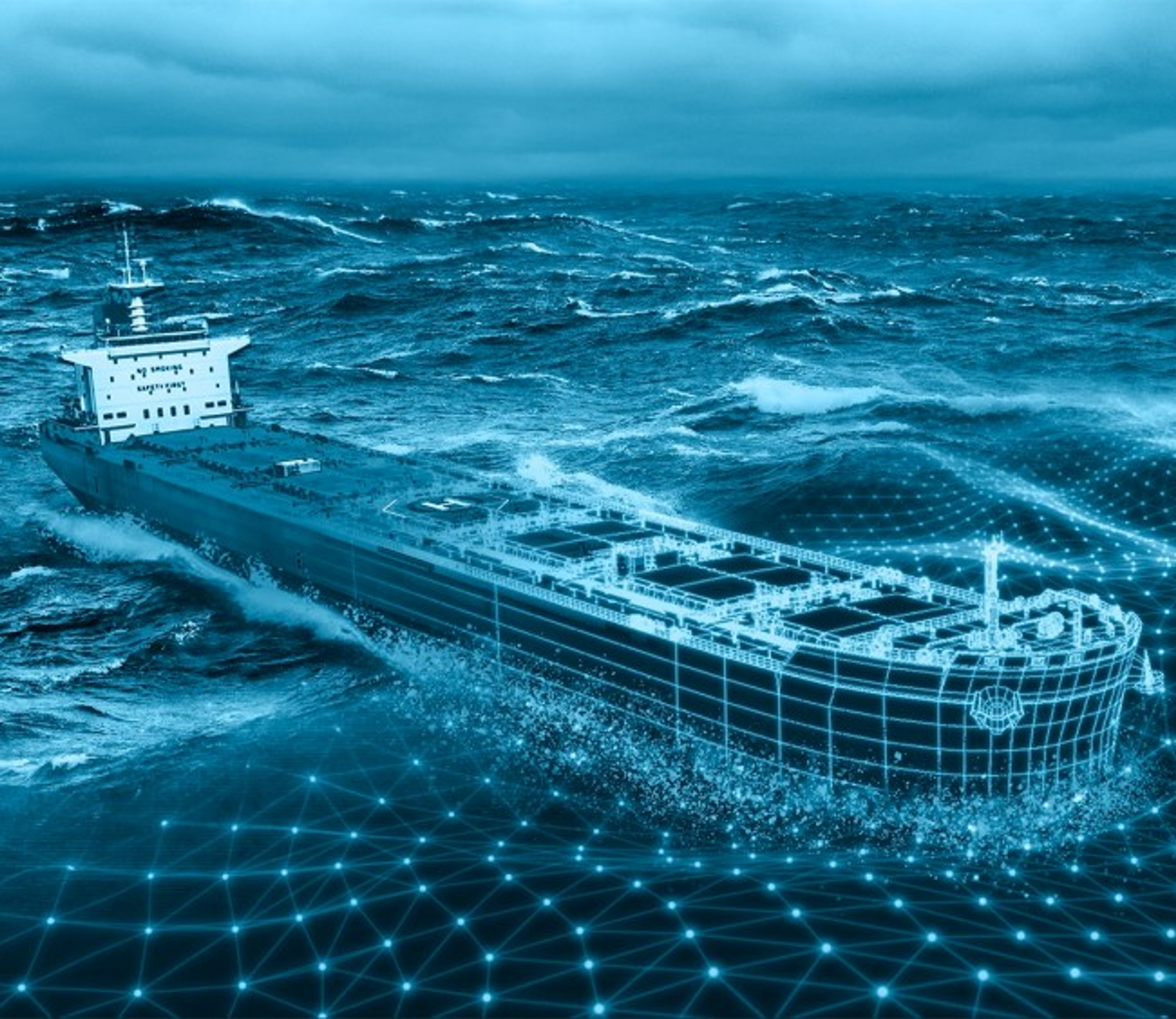
A digital twin of a vessel or offshore structure is a live computational model that mirrors the behaviour of the real asset, updated continuously by sensor data and used to predict performance, plan maintenance and optimise operations. Without accurate motion data, the model cannot correctly contextualise structural loads, fatigue accumulation, fuel consumption or operational limits — turning a digital twin into little more than a static simulation. Norwegian Subsea MRUs are already used as the motion data input for digital twin models of ships, wind turbine towers and riser systems, providing the real-time roll, pitch, heave and vibration data that keeps these models synchronised with actual conditions in the field.
For ship digital twins, MRU data feeds the model with continuous information on how the hull and structure are responding to the sea state at any given moment, enabling class society SMART notations such as those from DNV and ABS which require documented, real-time structural and motion monitoring as part of condition-based survey programmes. Offshore asset digital twins, covering FPSOs, floating wind foundations, semi-submersibles and mooring systems — similarly depend on accurate motion data to track fatigue cycles, monitor mooring and riser integrity, and validate the assumptions made during original design. As digital twin platforms become standard across the industry, the MRU transitions from a standalone monitoring sensor to a core data node in a broader connected asset intelligence system. Norwegian Subsea MRUs are compact, maintenance-free and compatible with standard industry data protocols, making them straightforward to integrate into both new digital twin deployments and retrofits on existing vessels and structures.


50 m depth, IP 68
5 cm or 5.0%
Lemo or SubConn 8 or SubConn 16

IP 65
5 cm or 5.0%
RJ45 or RJ50
"The motion compensation industry was overmature with too few players. Norwegian Subsea disrupted that business, bringing the sector several steps ahead."

"Installation is easy, and costs are low..."

"Our certified HMS, are rapidly becoming the global benchmark and with over 7,000 moving helidecks worldwide, we expect to be working with Norwegian Subsea systems for years to come."

"We can get a Norwegian Subsea unit that retains adequate precision through the planned life of our systems without the shipowner having to go through the cost or hassle of returning the unit to shore for recalibration every few years."