Why Anti-Heeling Systems Need an MRU, Not an Inclinometer
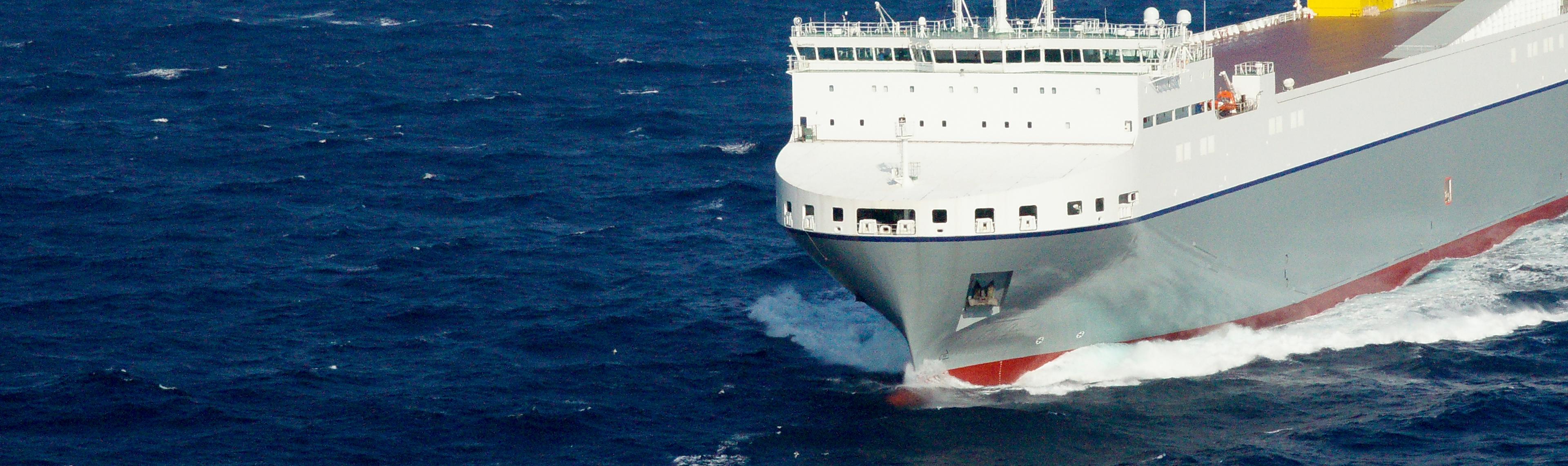
Anti-heeling systems operate in a dynamic environment, yet most are still controlled by a sensor designed for static conditions. An inclinometer measures the angle of inclination relative to gravity, which works well when a vessel is stationary. At sea, it cannot tell the difference between a true heel angle and a lateral acceleration caused by waves or turning. The result is false heel readings, incorrect ballast corrections, and a control system that works against itself.
The Fundamental Problem with Inclinometers in Dynamic Conditions
When a vessel turns or takes a wave, lateral accelerations act on the inclinometer in exactly the same way as gravity. The sensor has no way to separate the two. This leads directly to incorrect input to the anti-heeling control loop, triggering ballast corrections that are unnecessary, mistimed, or in the wrong direction. In harsh sea states, this can cause the system to oscillate rather than stabilise, increasing wear on pumps and valves and reducing the safety margin of the vessel.
How an MRU Solves This
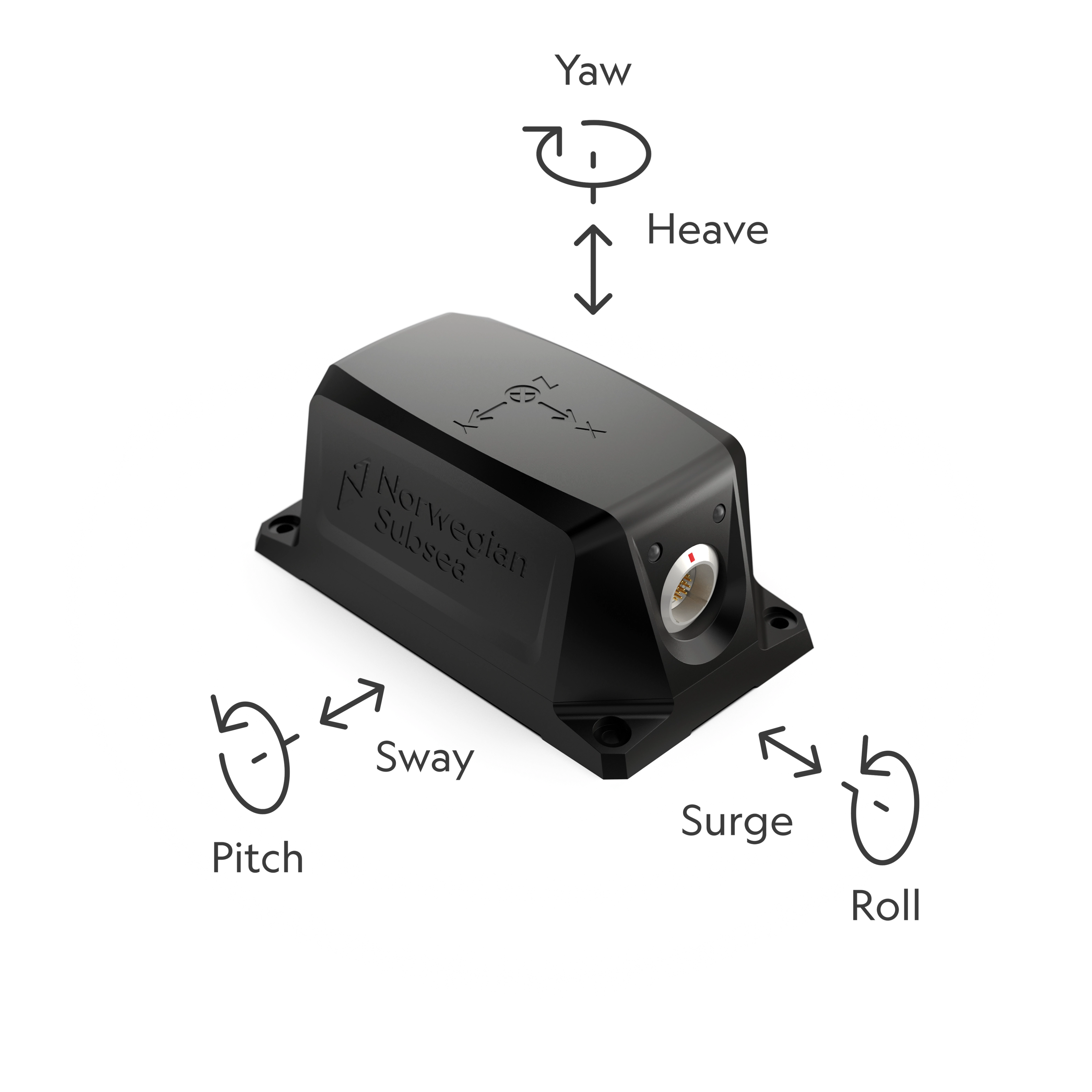
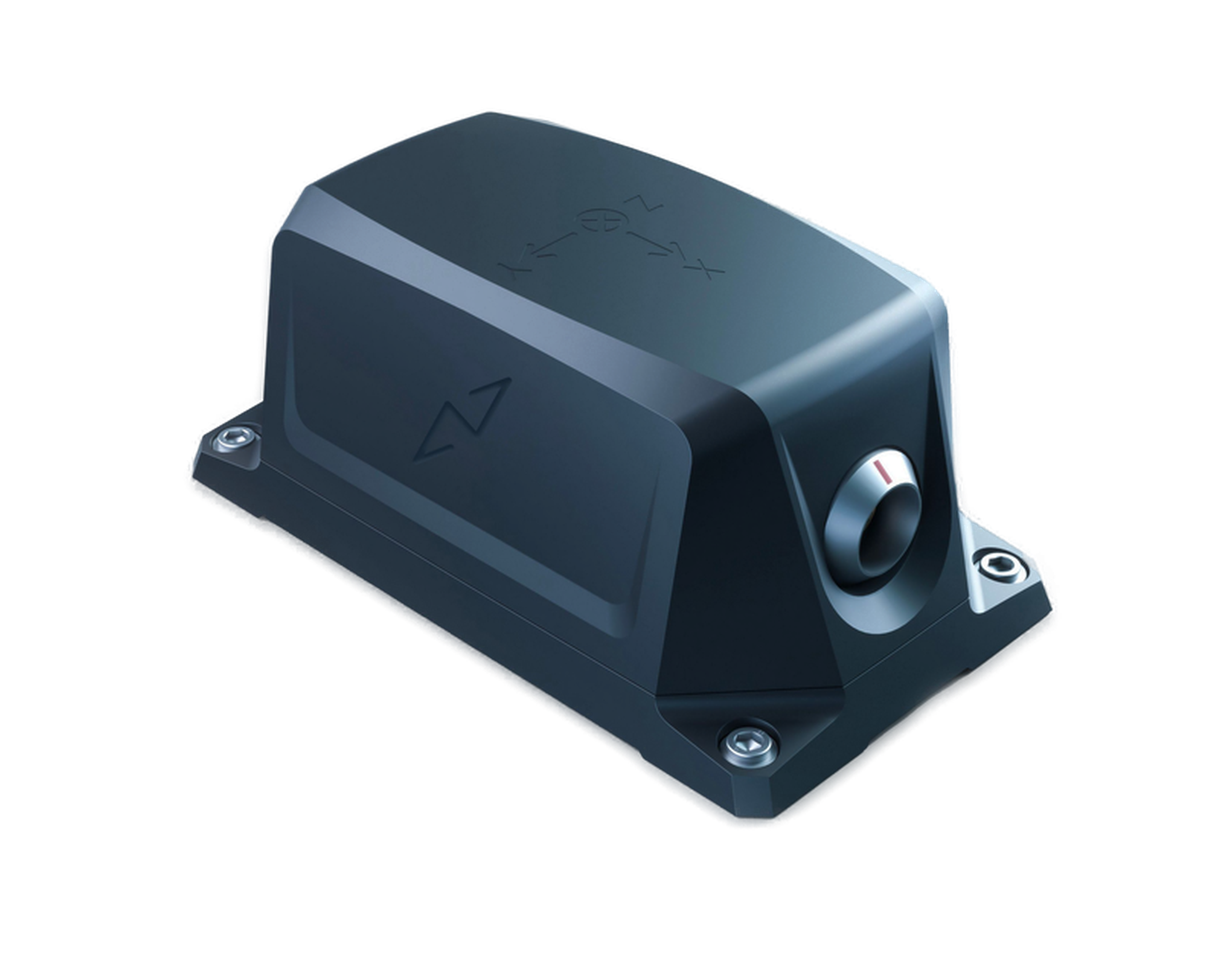
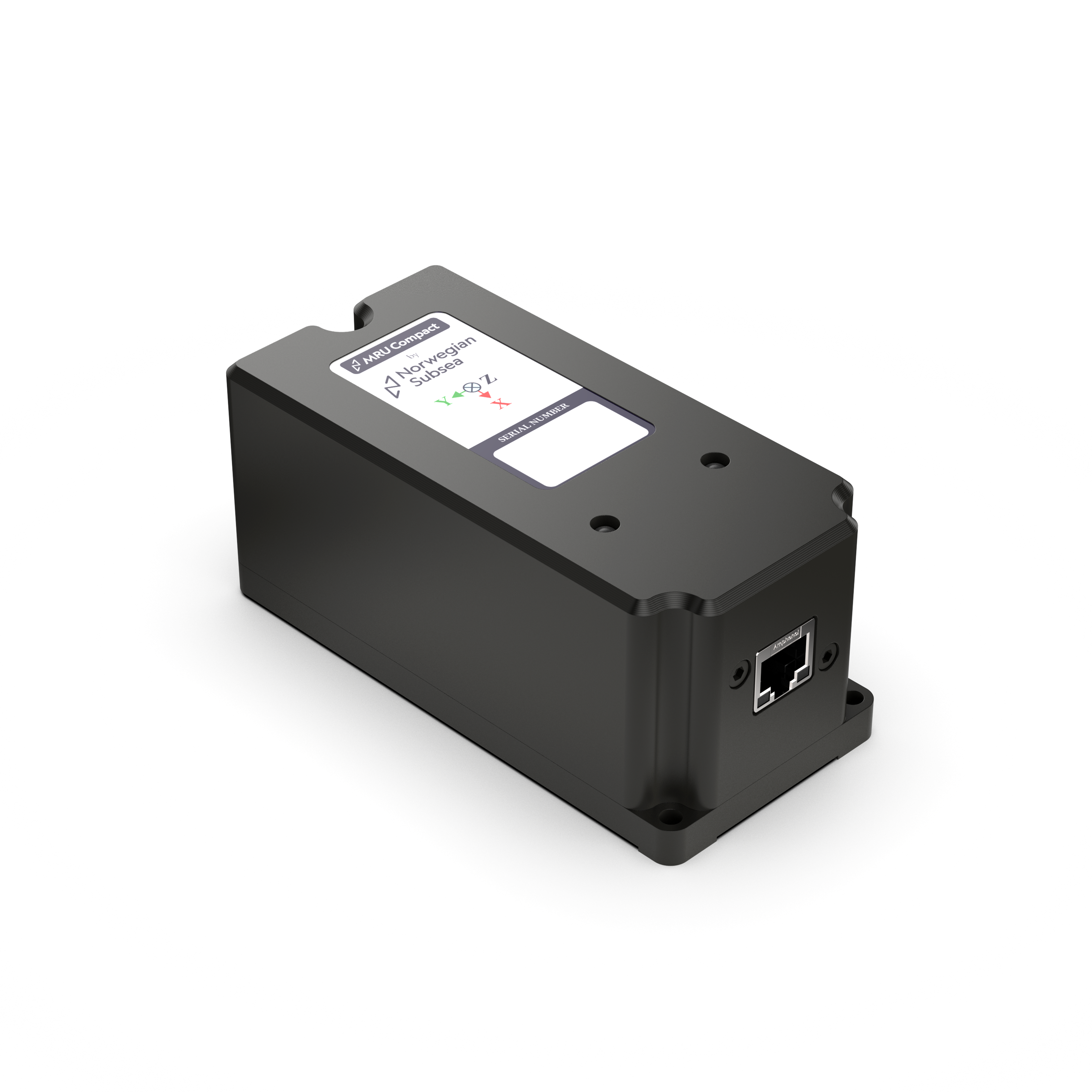
A Motion Reference Unit uses sensor fusion, combining high-end gyroscopes and accelerometers — to calculate true roll angle independently of dynamic accelerations. Where an inclinometer sees only a combined signal, an MRU separates true gravitational heel from wave-induced and motion-induced accelerations, delivering a clean, stable, and accurate roll measurement in real sea conditions.
The result for the anti-heeling control system is a fundamentally better input signal, faster response, stable control loop, reduced pump cycling, and a significantly improved safety margin.