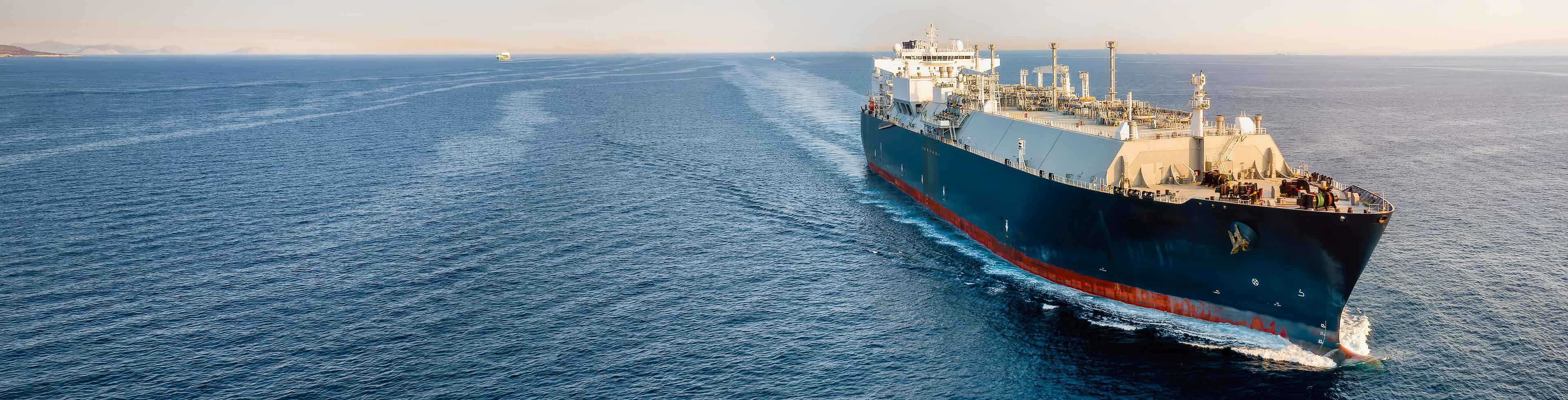
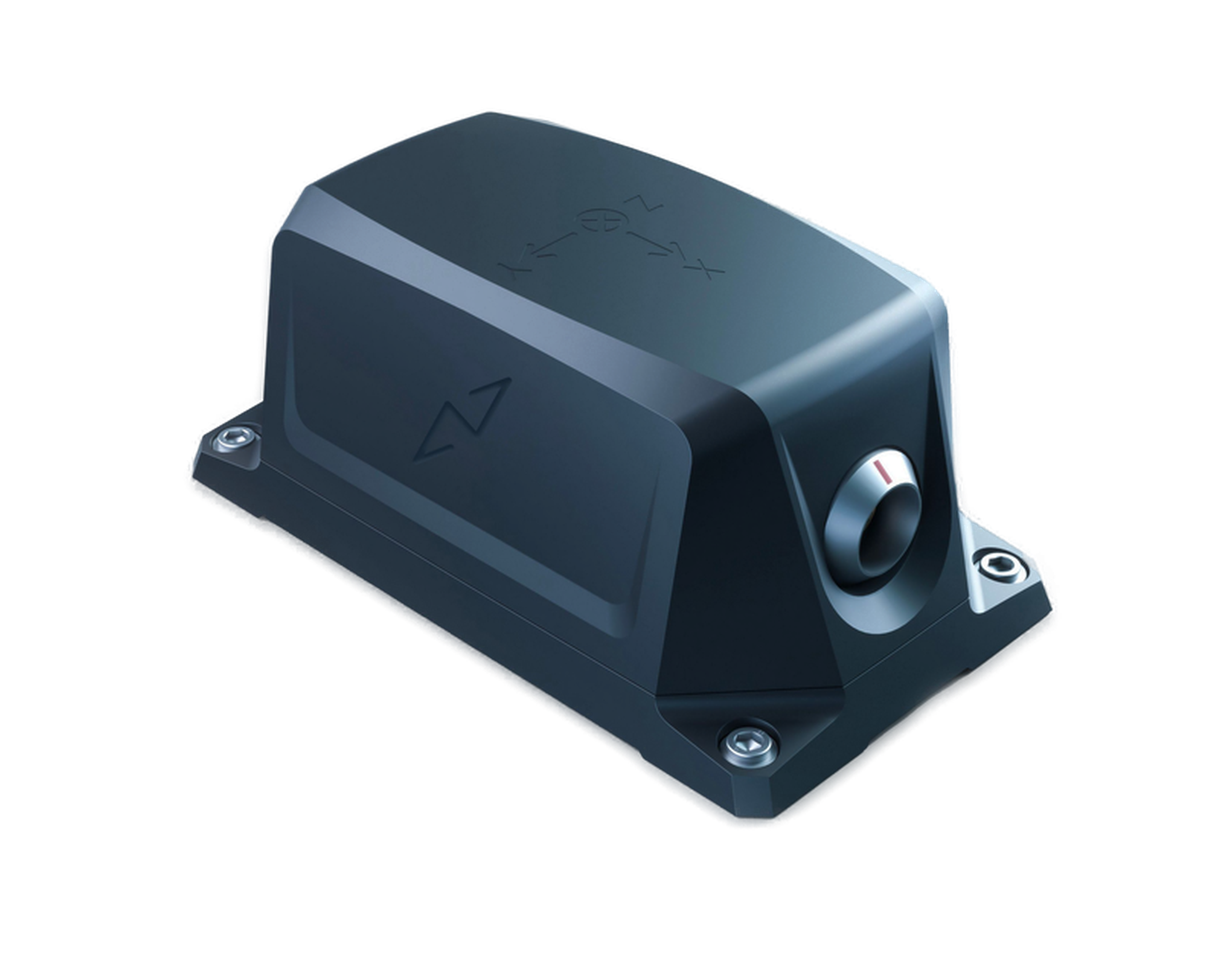
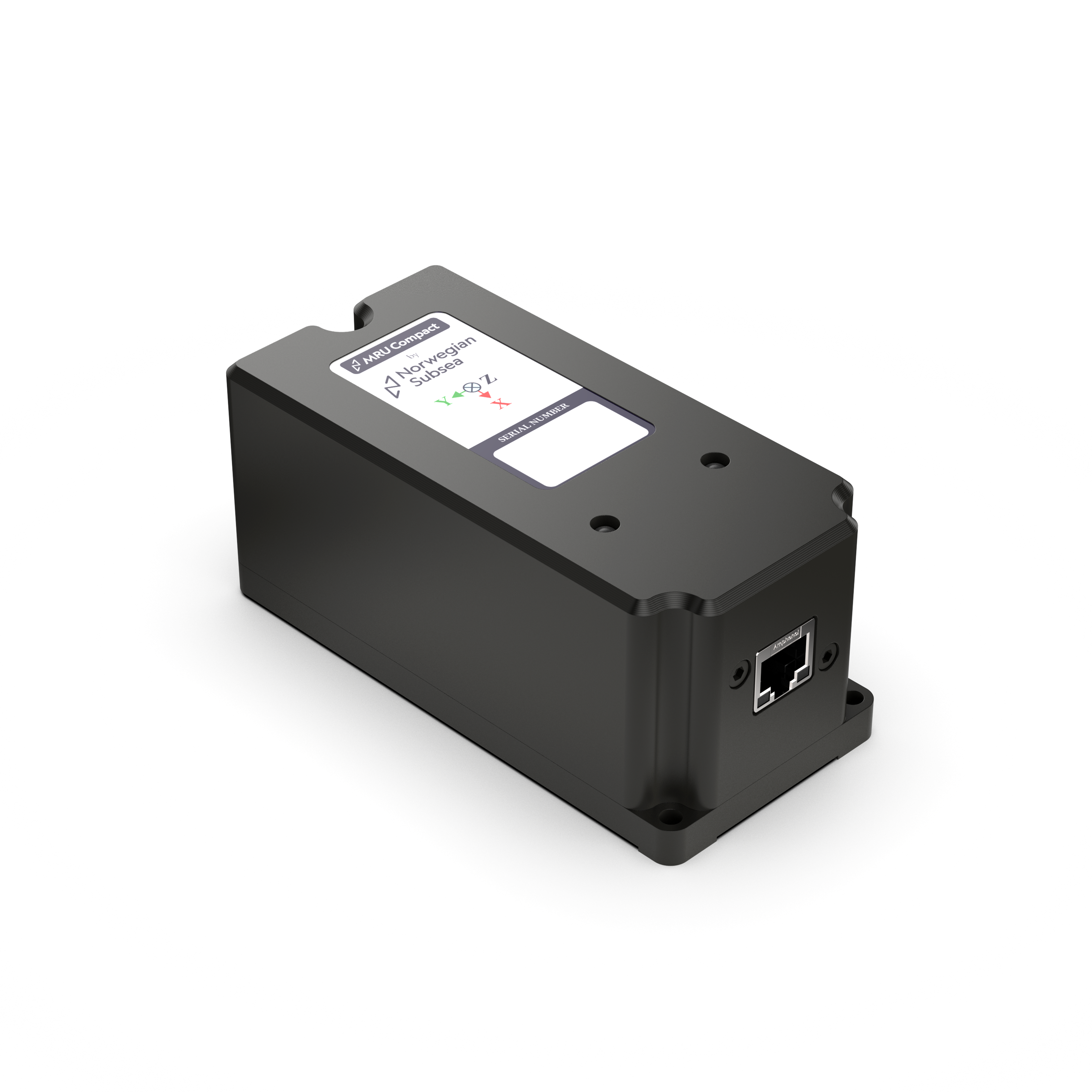
Motion Reference Units (MRUs) play a central role in sloshing management for LNG carriers by providing the precise, real-time vessel motion data that underpins every aspect of a sloshing risk assessment. Sloshing, the violent movement of liquid cargo inside partially filled prismatic tanks, is directly driven by vessel motions, and understanding that relationship is critical to protecting both the cargo containment system and the structural integrity of the vessel.
Real-Time Sloshing Risk Assessment
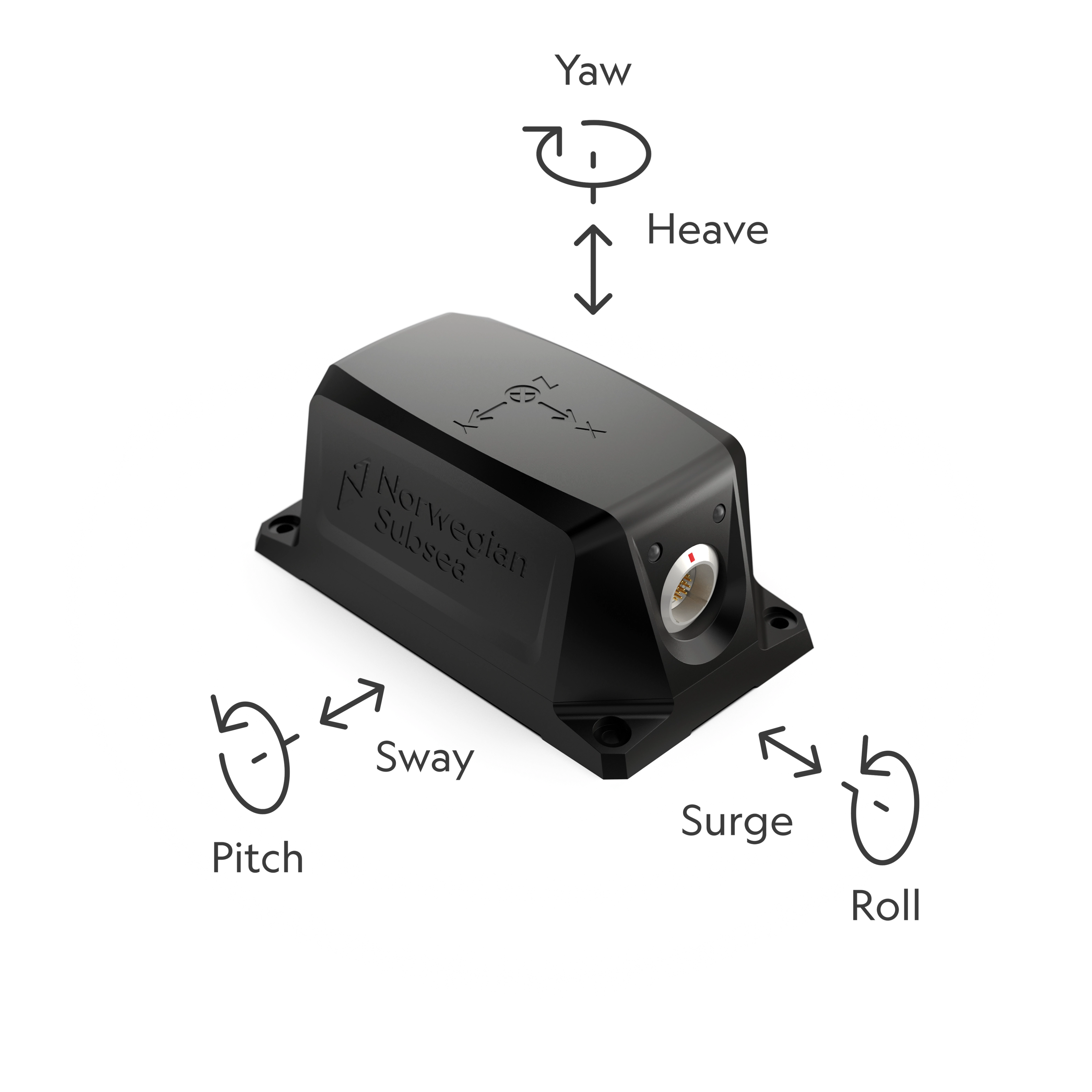
By continuously measuring roll, pitch, and heave across all six degrees of freedom, MRUs give operators an accurate, real-time picture of how the vessel is responding to sea conditions. This data is fed directly into sloshing management systems, enabling dynamic risk assessment and informed operational decisions, such as adjusting heading, speed, or tank fill levels — before critical motion thresholds are reached.
Containment System Protection
Prismatic LNG tank containment systems are designed to withstand specific motion envelopes. MRU data allows operators to continuously verify that vessel motions remain within those design limits, protecting the membrane and insulation systems from fatigue damage caused by repeated sloshing impacts over the vessel's lifetime.
Condition-Based Survey Support
Under classification society programmes such as DNV's Alternative Survey Programme (ASP), continuous MRU motion records can be used to demonstrate that operational conditions have remained within approved design assumptions — supporting reduced physical tank inspections and providing documented evidence for surveys and audits.
Voyage Planning and Route Optimisation
Historical and real-time MRU data feeds into voyage planning tools, helping operators anticipate high-motion conditions and adjust routes or loading strategies proactively — reducing both sloshing risk and unnecessary wear on the containment system.