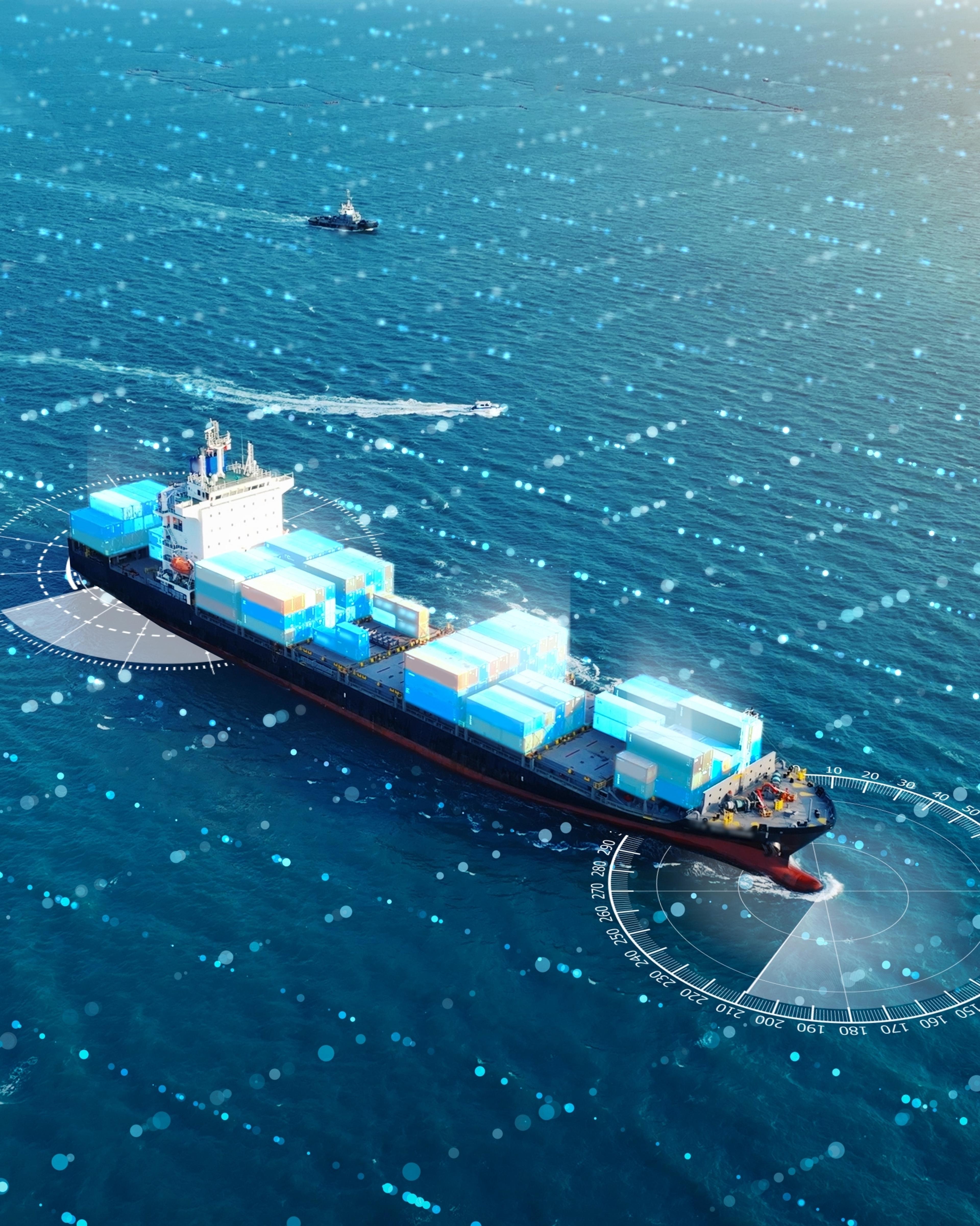
Precise motion measurements are essential for container vessel digitalisation, supporting fuel optimisation, route planning, cargo safety and structural health.
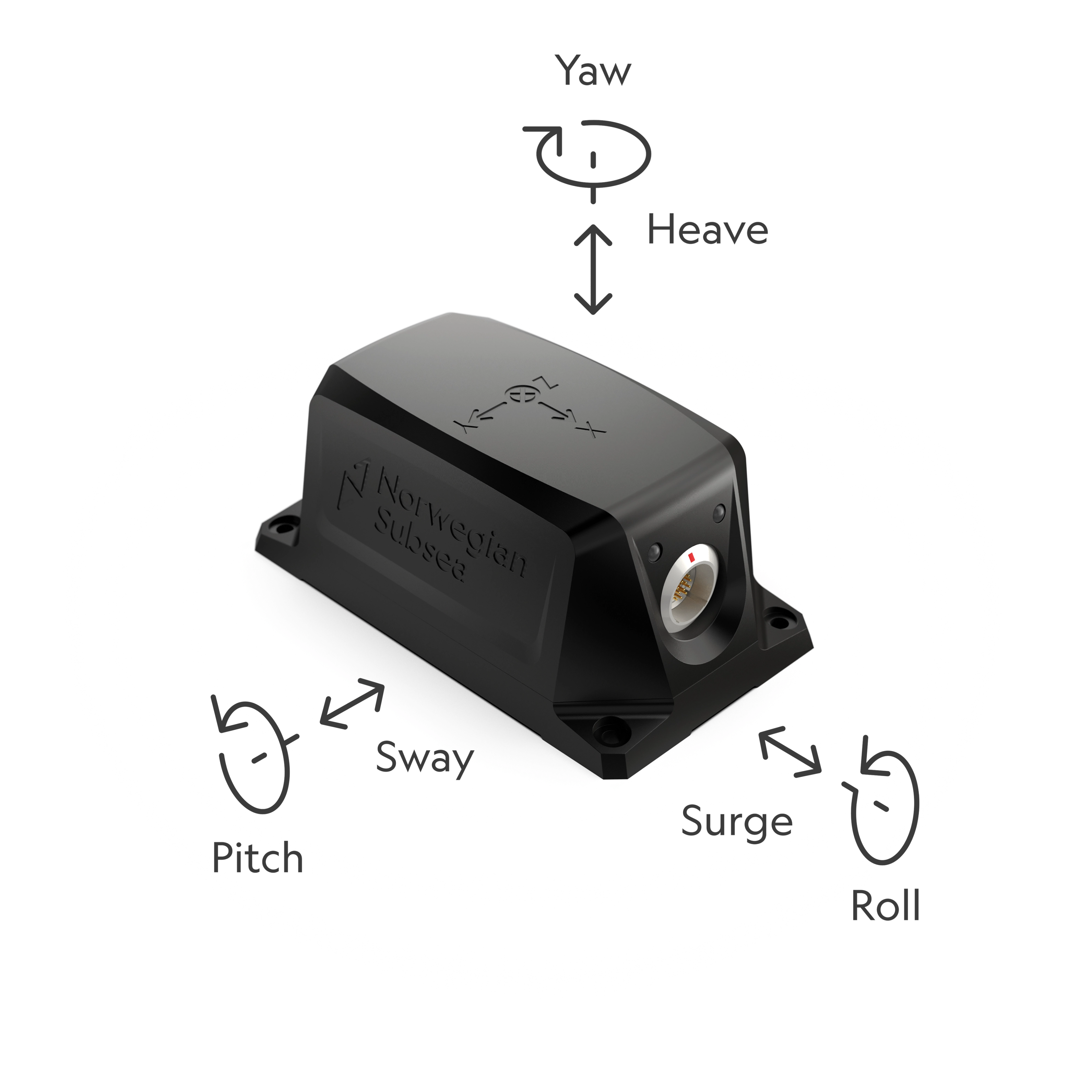
With accurate real-time data on roll, pitch, heave, and all six degrees of freedom, Norwegian Subsea MRUs help container operators prevent cargo shifting and loss, manage load distribution, and maintain structural integrity throughout the voyage.
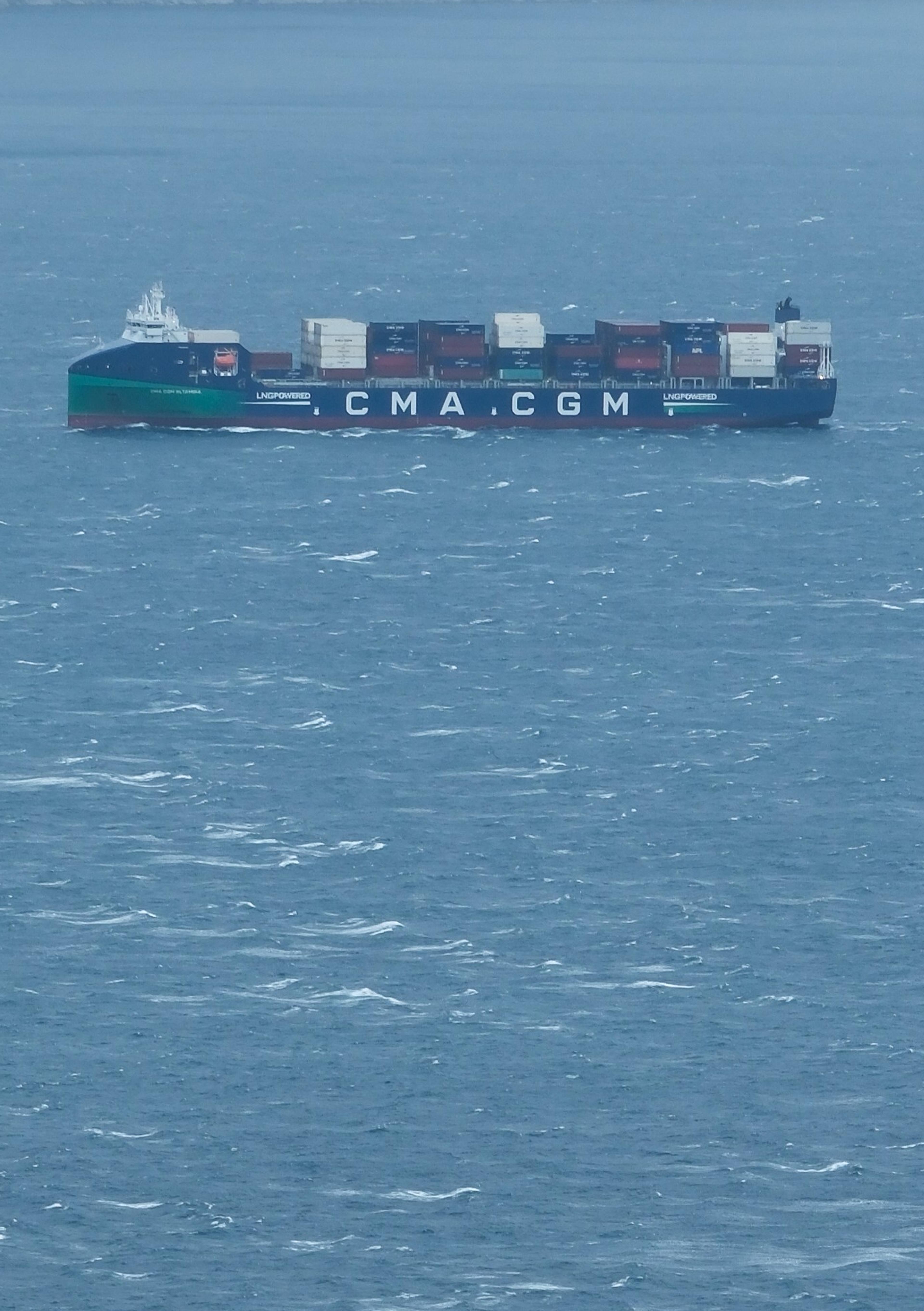
MRU measurements play a critical role in optimising propulsion and reducing fuel consumption on container vessels, yet this is still widely overlooked. MRU data establishes the correlation between sea conditions, vessel response, and main engine consumption, giving operators the insight needed to make smarter decisions on every voyage.
With growing IMO reporting requirements, most container operators already have flowmeters integrated into their vessel performance software, but motion data remains a missing piece. Adding an MRU closes that gap, enabling more accurate performance benchmarking and emissions reporting.
Motion data feeds directly into digital twin models, fuel optimisation algorithms, and predictive maintenance systems, enabling smarter decisions.
Motion Reference Units (MRUs) are instrumental in improving cargo and passenger safety on ships by providing precise data on a vessel's motion in real time. By integrating MRUs into safety and operational protocols and systems, operators can significantly enhance safety for both cargo and passengers, reduce the risk of accidents, and improve operational efficiency.
Motion measurements help ensure that the ship remains within safe limits of roll and pitch, reducing the risk of cargo shifting, damage, or container loss.
Understanding the ship's motion characteristics allows for better planning of cargo placement and distribution to maintain stability and minimize excessive movements.
MRUs are integral to stabilization systems that counteract a ship's roll and pitch. These systems, like stabilizer fins or gyroscopic stabilizers, reduce the ship's movement, making conditions safer for passengers and crew while minimizing the chances of cargo shift.


MRUs support data-driven decision-making, helping ships navigate with maximum efficiency, avoid high-resistance conditions, and adopt adaptive strategies for fuel conservation. When paired with fuel monitoring systems, MRUs provide a fuller picture of how sea conditions impact fuel consumption. This data helps build predictive models that fine-tune navigation, speed, and power settings in future voyages, ensuring long-term fuel savings.
MRUs are essential in the following applications:
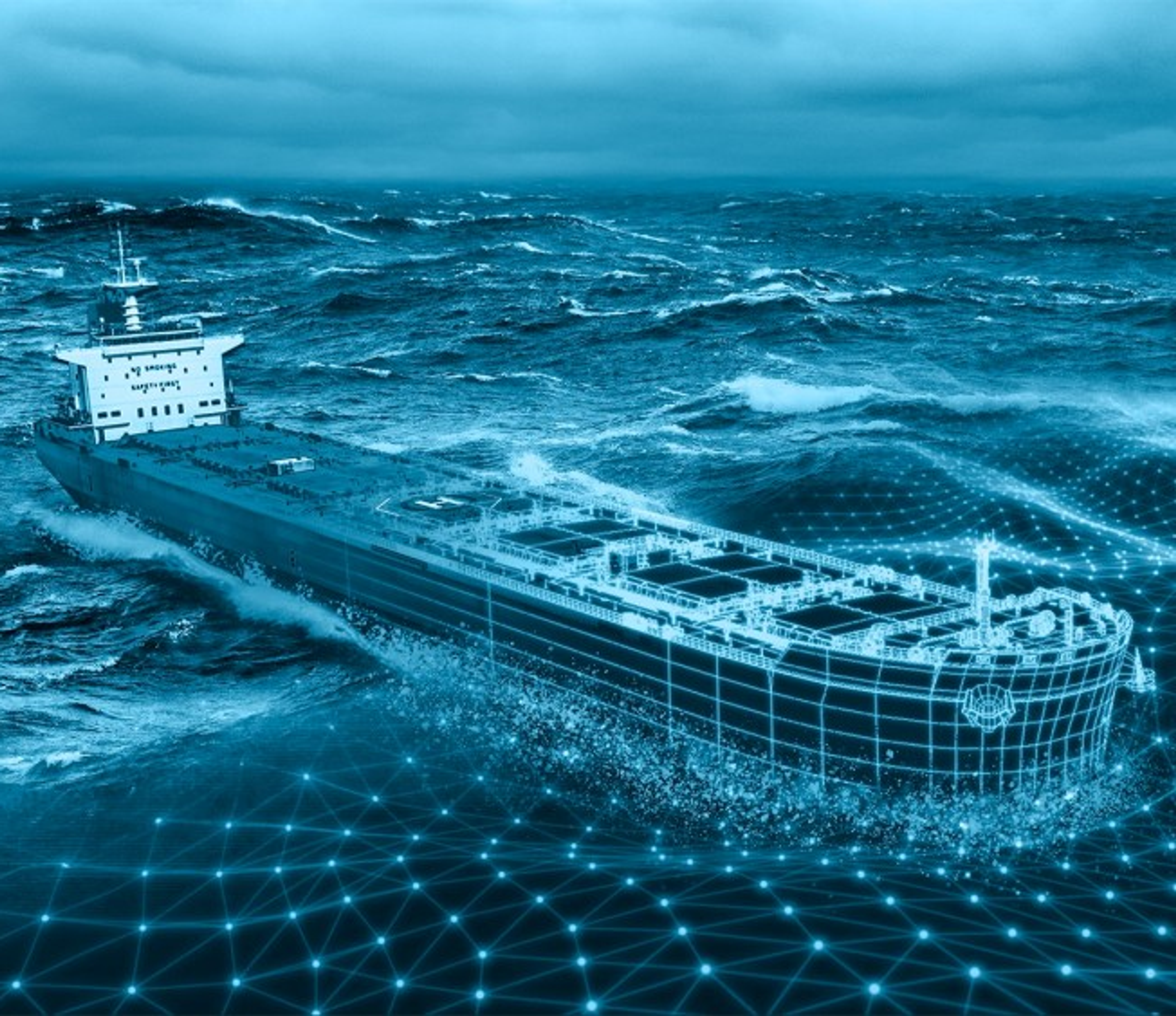
MRUs are an integral part of any modern structural health monitoring (SHM) system as it allows for continuous, real-time monitoring of stress responses in the hull structure during operations, helping to prevent design stresses being exceeded. More specifically, Norwegian Subsea MRUs are used for the following applications:
Photo Credit: lightstructures.com


Motion Reference Units (MRUs) enhance both regulatory compliance and insurance relations by providing valuable data that verifies safe, compliant operations, reduces risk, and supports transparent documentation in case of claims or audits.
Accurate motion data help ship operators comply with international regulations and guidelines related to stability and safety, such as the IMO's SOLAS (Safety of Life at Sea) Convention.
In the event of an incident, MRU data offers a precise log of vessel movement, speed, and direction, which can aid in investigations. This information is often required by regulatory bodies and can provide transparency regarding the ship’s operations, helping operators meet reporting requirements.
Insurance policies require vessels to adhere to specific operational conditions, like maintaining certain stability or avoiding dangerous routes. MRU data allows operators to demonstrate compliance with these conditions, supporting smoother claims processing and reducing the likelihood of denied claims.
In cases of accidents, cargo damage or personnel injuries, MRU data provides a factual account of the vessel’s motion and handling at the time of the incident. This data can help verify adherence to safety protocols and stability standards, supporting claims and reducing disputes with insurers over liability.
The NORSUB MRUs reliably and accurately measure all six degrees of freedom year after year. Additionally, measurement data can be logged internally and downloaded as needed. Statistical features, such as significant amplitude and peak frequency over a moving window, can also be measured. For example, the significant heave motion amplitude and peak period during the last hour can be selected as an output measurement.
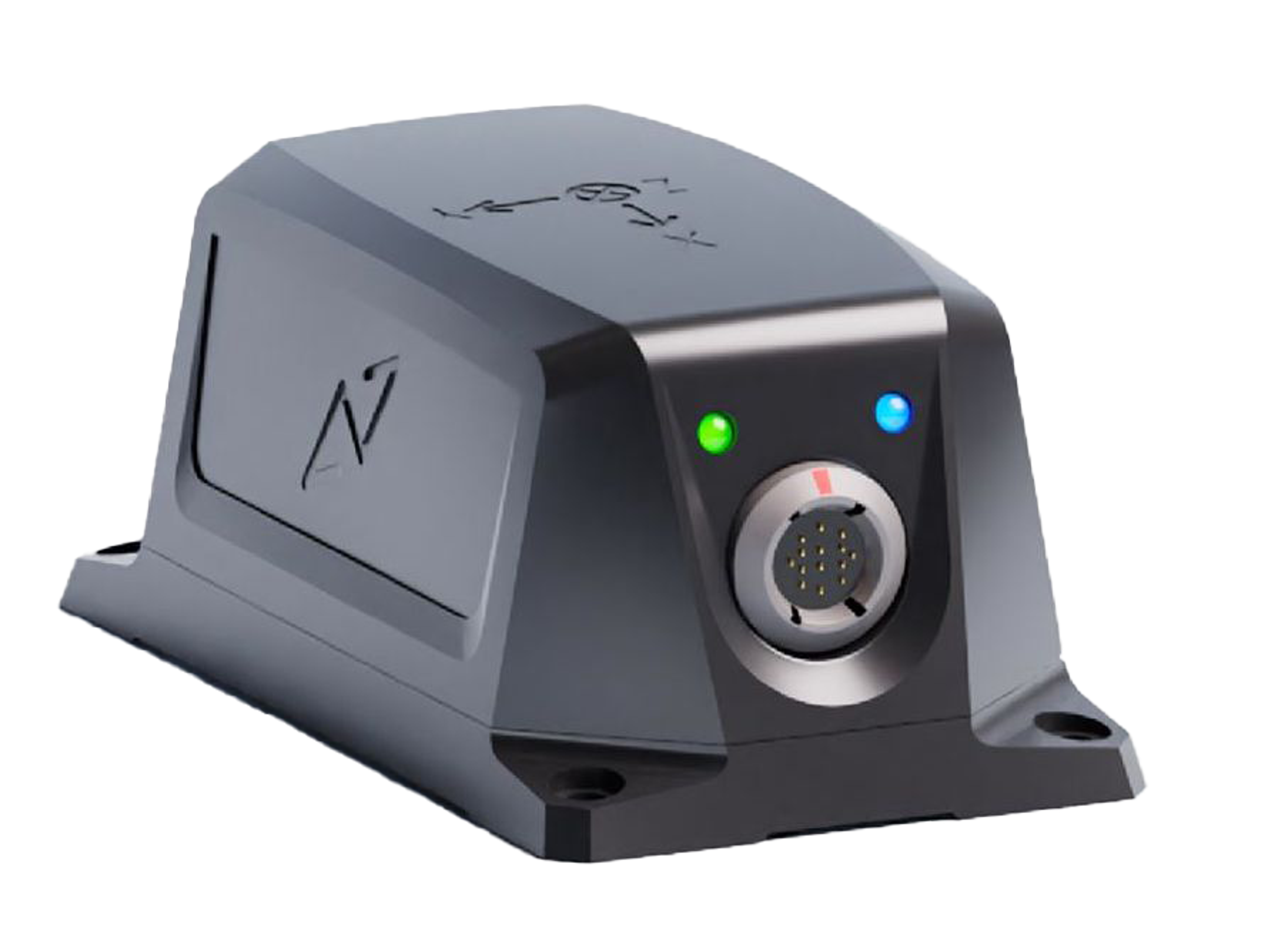
The NORSUB MRUs are designed for easy installation and use. They are plug and play devices and can be delivered with a junction box or with regular Ethernet (RJ45) connectivity, such as the NORSUB eMRU series. This streamlined approach reduces cable and installation costs, providing a cost-effective solution for ship motion monitoring applications.

Norwegian Subsea produces industry-leading Motion Reference Units (MRUs) for subsea, marine, and land applications. Our MRUs are robust and affordable, and offer high-accuracy performance, along with a plug-and-play interface.
"Norwegian Subsea MRUs had the accuracy, the temperature range, and the enterprise-level quality we required"

"They are rock solid. Many Norwegian Subsea MRUs have been running 24/7 inside Miros products for up to eight years without issue, producing real-time data every second."