When an incident occurs at sea, whether a cargo loss, structural damage, collision, or personnel injury. One of the first questions asked by insurers, investigators, and legal teams is simple: what exactly happened, and what were the conditions at the time?
Without objective motion data, answering that question relies on crew accounts, voyage logs, and weather forecasts — none of which provide a precise, time-stamped record of how the vessel was actually moving in the moments before, during, and after an incident. A Motion Reference Unit changes that entirely.
A Continuous, Objective Record
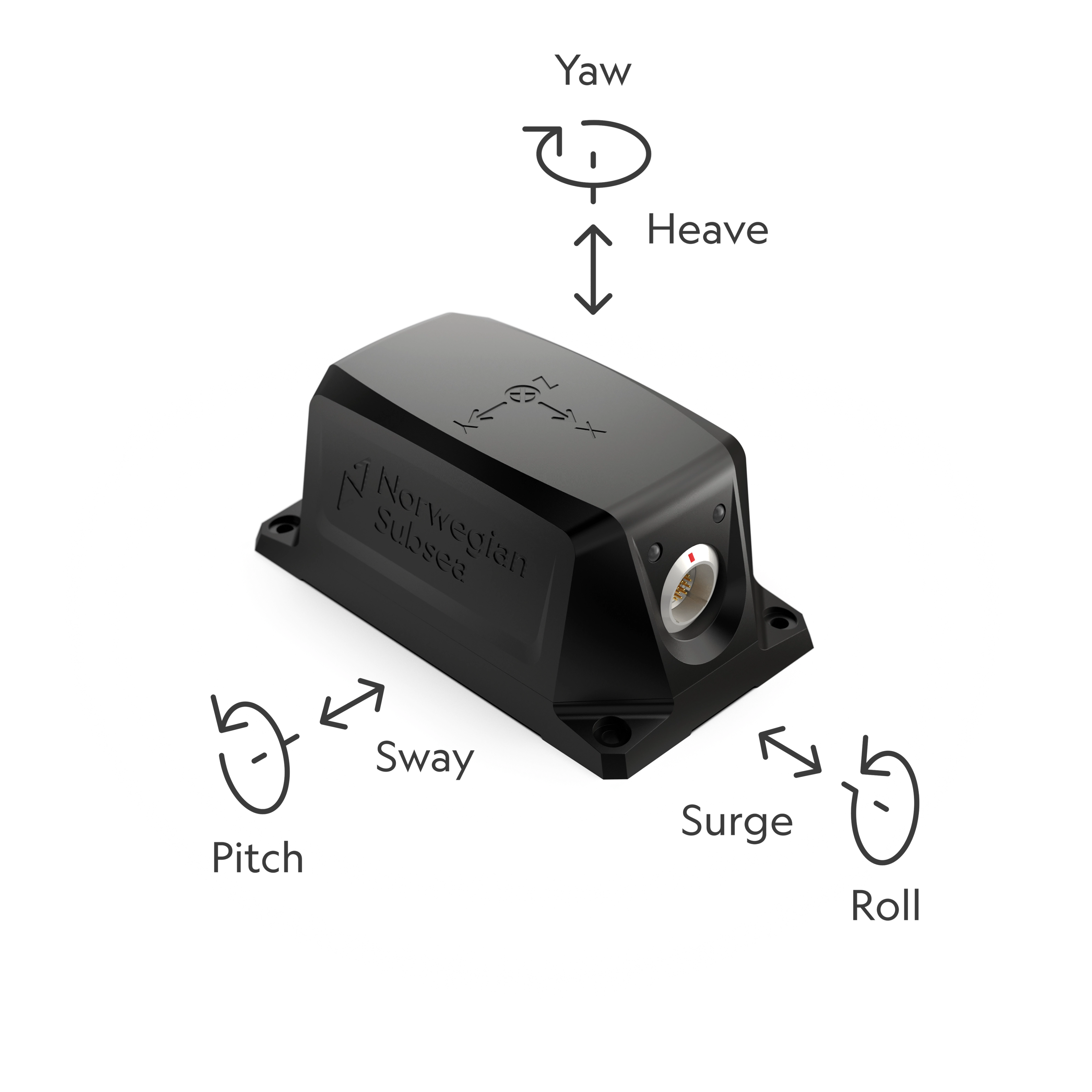
MRUs log vessel motion across all six degrees of freedom — roll, pitch, heave, surge, sway, and yaw — continuously and in real time throughout a voyage. This creates an unambiguous, time-stamped record of exactly how the vessel was behaving at any given moment. When an incident occurs, that data becomes critical evidence: it can confirm whether the vessel was operating within approved sea state limits, whether motions exceeded design thresholds, and whether the conditions at the time were consistent with the reported circumstances.
Protecting Operators Against Unfounded Claims
In cases where cargo damage, structural incidents, or personnel injuries lead to insurance claims or legal disputes, MRU data gives operators the factual foundation to defend their position. If the vessel was operating correctly and within safe limits, the motion record proves it. If motions were extreme and outside normal operational parameters, that context is equally important for a fair assessment of liability.
Supporting Insurers and Surveyors
For insurers and marine warranty surveyors, MRU data provides the objective basis needed to assess claims accurately and efficiently. Rather than relying on estimates or reconstructions, adjusters can work from actual measured data — reducing disputes, speeding up claims processing, and improving the accuracy of loss assessments.